Garden Zone Info: The Importance Of Regional Gardening Zones
As you get started planning out your garden, you may already have your mind filled with visions of crisp vegetables and a kaleidoscope of bedding plants. You can almost smell the sweet perfume of roses. This is all well and good, but if you already have your garden planted in your mind, you may want to stop and back up a few steps before loading up that shopping cart. The first activity any serious gardener should tackle is research into one's garden zone info, including your regional gardening zone.
Garden Zone Info
Many novice gardeners make the same mistakes, either attempting to grow plants the wrong time of year or choosing plants that are not suited for the region in which they live. Essential to the healthy growth and development of all plants is the length of the growing season, timing, amount of rainfall, winter temperature lows, summer highs, and humidity. Differences in any one of these factors can spell disaster for your garden. To guarantee success and avoid your own disappointment, it is critical to pay close attention to the regional planting information located on the packages and containers of most seeds and plants--known more simply as plant hardiness zones.
Hardiness Zone Maps
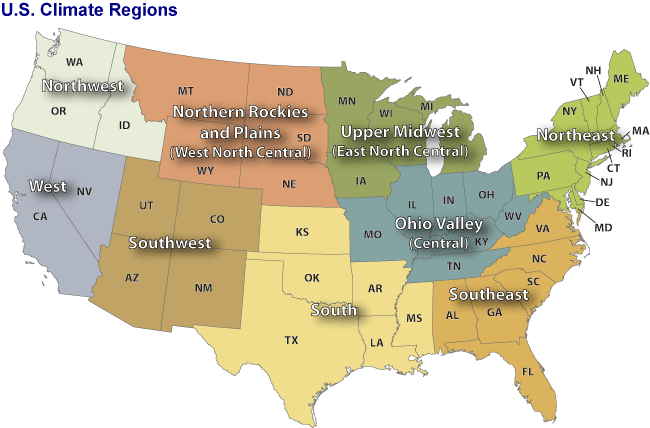
The United States is divided into several regional gardening zones according to the average annual minimum temperature. These regions (which may vary somewhat) are most commonly referred to as Northeast, Pacific Northwest, Rockies/Midwest, South, Desert Southwest, Southeast, South Central, and Central Ohio Valley, although each region can be even further divided into more specific climate zones. Using this garden zone info for educating yourself on which plants are better suited for your particular climate zone will save you much disappointment. That's where the USDA Hardiness Zone maps come in. Some plants cannot handle the icy coldness of a Northeast winter, while others will wilt and dry up in southern climates. Amazingly, other plants call for a brief cold period in order to stimulate their coming growth cycle. So what garden zone do I live in, you may ask? When locating plant hardiness zones, refer to the USDA Hardiness Zone maps. This is the best way in how to determine your garden zone. Simply go to your region or state and find your general location. Keep in mind that in some states, the zones may be broken down even further depending on specific climatic areas. Knowing when it is safe to plant specific types of plants within appropriate plant hardiness zones can make all the difference in whether your garden succeeds or fails. For example, during the month of May, gardeners in warm zones can begin to plant cutting flowers and all kinds of vegetables, while their counterparts in more northern climates are busy tilling soil and preparing beds. Taking a little time to educate yourself on your climate zone and which plants will thrive will pay off in longer lasting and beautifully thriving gardens. Jan Richardson is a freelance writer and avid gardener.

