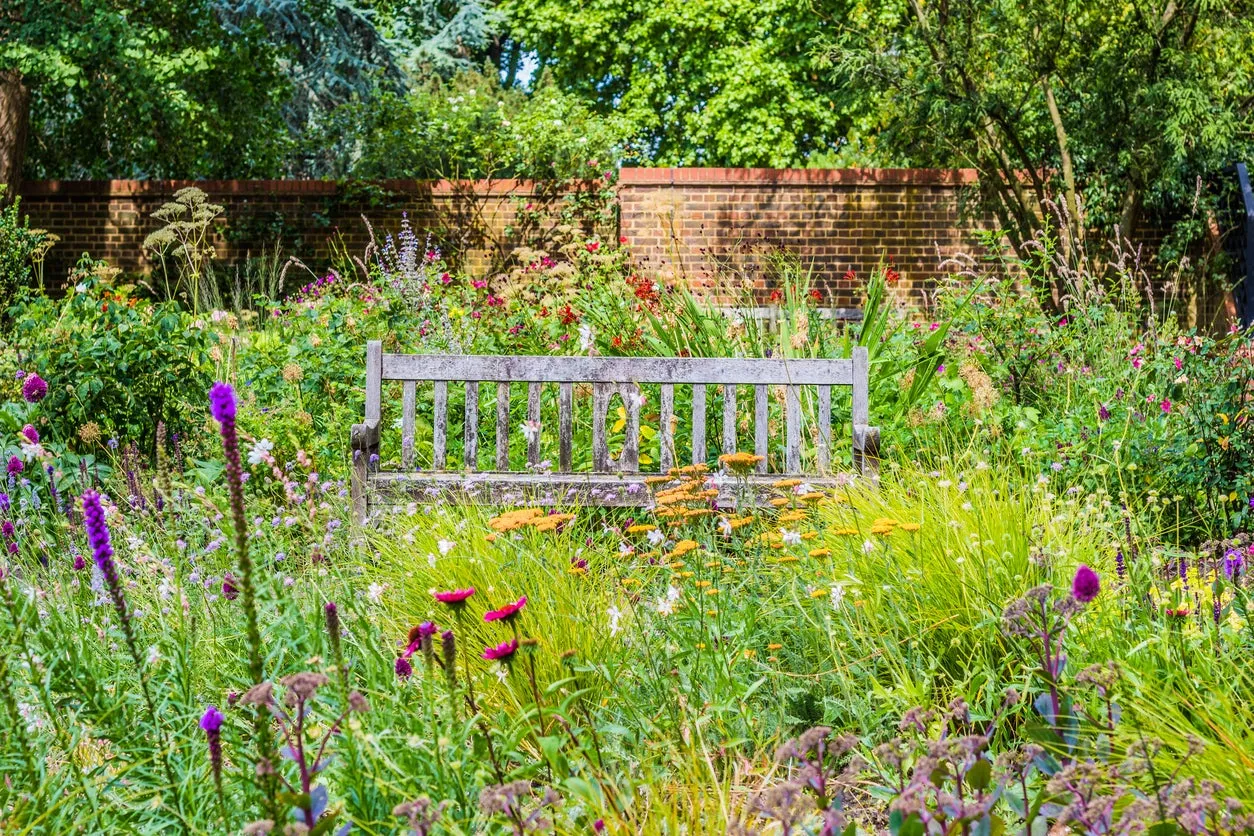
Image by David Prasad One of my favorite gardening designs is the naturalistic garden or native garden. This type of garden not only incorporates native trees and shrubs, but wildflowers and native grasses as well. Best of all, a natural garden can easily transform into a garden for all seasons. It doesn’t take a genius to design a natural garden; however, some planning beforehand might be wise.
Tips for How to Design a Native Garden
Always become familiar with the different types of native plants that may already be growing on your property. This not only gives you an idea of the types of plants that thrive in your particular location but also makes it easier when you begin choosing additional plants for the garden.
Native plants flourish in their natural environment and complement the surrounding landscape of your home. Creating a native garden with seasonal interest, from spring through winter, requires careful planning and placement of long-lasting bloomers and a variety of foliage plants. For additional interest, include a focal point of some kind. If you are fortunate enough to live in an area surrounded by woodlands, this type of garden will look right at home.
Try not to overlook the plant’s leaves when choosing perennials for a natural garden. While flowers make the garden intense with color, the foliage can also provide impressive contrast and texture. This additional interest draws attention to the area, inviting others into the garden for a closer look, especially during non-blooming periods. However, if you select plants carefully, with various flowering seasons, there will always be something in bloom.
Plant spring-flowering natives throughout the garden; but take care to keep them toward the middle or further towards the back. This will allow you the opportunity to hide them with cover-up plants once their blooms have faded. Popular spring bloomers include iris, phlox, anemone, sweet violet, and Virginia bluebells. Summer-flowering plants such as Shasta daisy, flax, goldenstar, and goat’s beard will take over once the spring blooms have faded away. Use these as camouflage to create nonstop flowering.
Once autumn arrives, the garden will maintain its appeal with the addition of fall-flowering natives, such as asters. Goldenrods are extremely hardy; and during autumn, will provide beautiful gold and yellow blooms. Fall blooming bulbs such as lilies, autumn crocus, and cyclamen also do well here.
Once flowering bulbs and other plants begin to fade, the intense shades of leaf and foliage color create a stunning display. For instance, the bronze-colored stalks of gayfeather or blazing star can be quite striking. This color can be further enhanced among a background of evergreens. Native evergreen shrubs and groundcovers will liven up the landscape with various shades of color.
Besides amazing color, plants having various forms and textures will continue to maintain appeal into the winter. Don’t overlook the interesting characteristics of bark, especially those that have peeling or patterned features. While ornamental grasses tend to reach their peak during fall, they also provide additional texture and color in winter with interesting seed heads, berries, and foliage. Winter wonder also comes from the colorful seed heads of native such as purple coneflower and sedum.
By keeping plants within the natural scheme of your own landscape and incorporating a variety of seasonal bloomers into the garden, you can enjoy nonstop flowering in a naturalistic setting every day of the year.
By Nikki Phipps
(Author of The Bulb-o-licious Garden)
Image by David Prasad One of my favorite gardening designs is the naturalistic garden or native garden. This type of garden not only incorporates native trees and shrubs, but wildflowers and native grasses as well. Best of all, a natural garden can easily transform into a garden for all seasons. It doesn’t take a genius to design a natural garden; however, some planning beforehand might be wise.
Tips for How to Design a Native Garden
Always become familiar with the different types of native plants that may already be growing on your property. This not only gives you an idea of the types of plants that thrive in your particular location but also makes it easier when you begin choosing additional plants for the garden.
Native plants flourish in their natural environment and complement the surrounding landscape of your home. Creating a native garden with seasonal interest, from spring through winter, requires careful planning and placement of long-lasting bloomers and a variety of foliage plants. For additional interest, include a focal point of some kind. If you are fortunate enough to live in an area surrounded by woodlands, this type of garden will look right at home.
Try not to overlook the plant’s leaves when choosing perennials for a natural garden. While flowers make the garden intense with color, the foliage can also provide impressive contrast and texture. This additional interest draws attention to the area, inviting others into the garden for a closer look, especially during non-blooming periods. However, if you select plants carefully, with various flowering seasons, there will always be something in bloom.
Plant spring-flowering natives throughout the garden; but take care to keep them toward the middle or further towards the back. This will allow you the opportunity to hide them with cover-up plants once their blooms have faded. Popular spring bloomers include iris, phlox, anemone, sweet violet, and Virginia bluebells. Summer-flowering plants such as Shasta daisy, flax, goldenstar, and goat’s beard will take over once the spring blooms have faded away. Use these as camouflage to create nonstop flowering.
Once autumn arrives, the garden will maintain its appeal with the addition of fall-flowering natives, such as asters. Goldenrods are extremely hardy; and during autumn, will provide beautiful gold and yellow blooms. Fall blooming bulbs such as lilies, autumn crocus, and cyclamen also do well here.
Once flowering bulbs and other plants begin to fade, the intense shades of leaf and foliage color create a stunning display. For instance, the bronze-colored stalks of gayfeather or blazing star can be quite striking. This color can be further enhanced among a background of evergreens. Native evergreen shrubs and groundcovers will liven up the landscape with various shades of color.
Besides amazing color, plants having various forms and textures will continue to maintain appeal into the winter. Don’t overlook the interesting characteristics of bark, especially those that have peeling or patterned features. While ornamental grasses tend to reach their peak during fall, they also provide additional texture and color in winter with interesting seed heads, berries, and foliage. Winter wonder also comes from the colorful seed heads of native such as purple coneflower and sedum.
By keeping plants within the natural scheme of your own landscape and incorporating a variety of seasonal bloomers into the garden, you can enjoy nonstop flowering in a naturalistic setting every day of the year.
Print This Article - Printer Friendly Version
TweetMore Information:
Didn't find the answer to your question? Ask one of our gardening experts.
Do you know anything about gardening? Help answer someone's gardening question.
Read more articles in Flower Gardening.
You might also be interested in these articles: