Common Gladiola Disease Problems And Gladiolus Pests

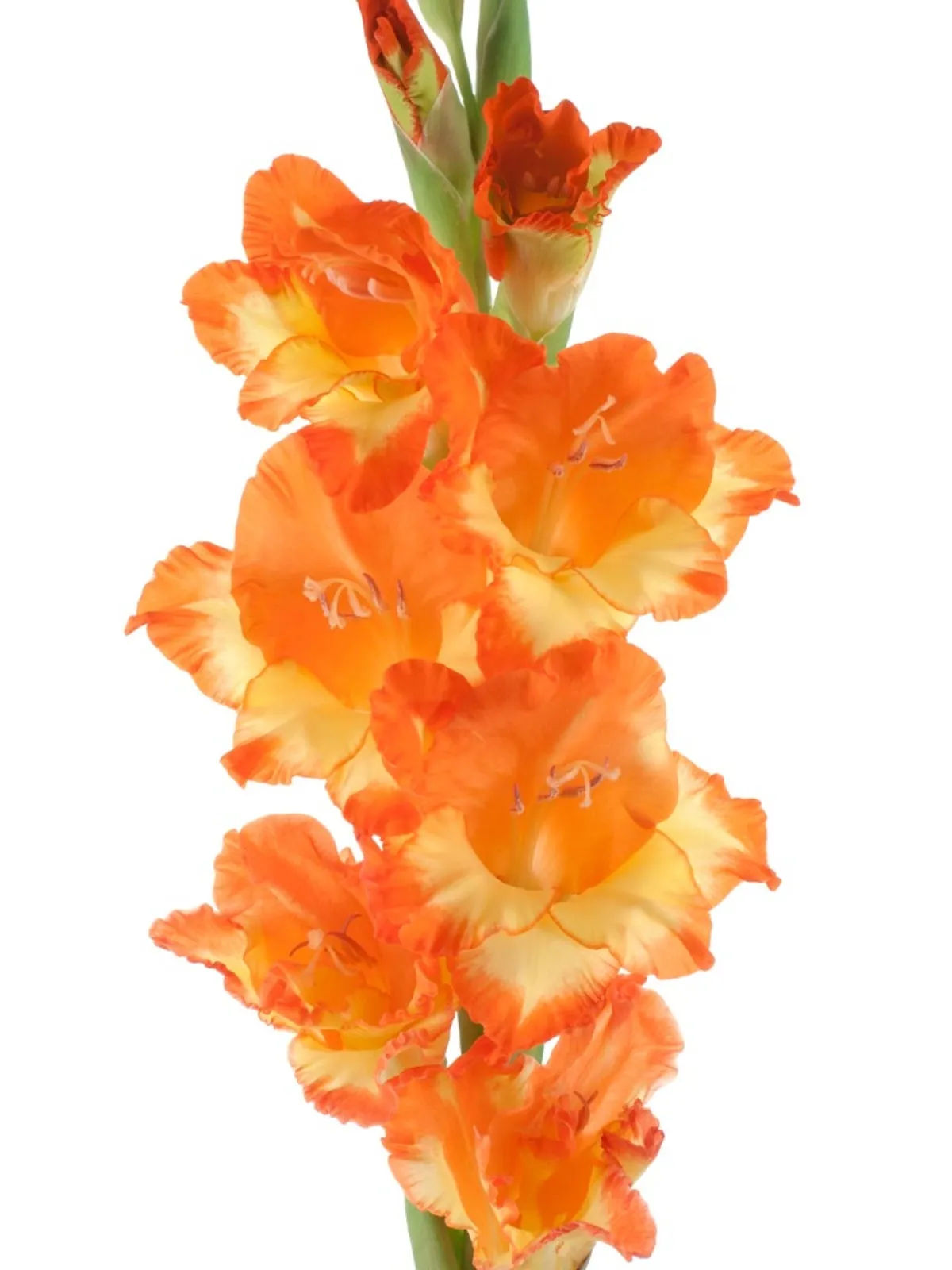
If you have planted gladiolus, you should usually be able to enjoy gladiolus problem-free. They are beautiful and come in a variety of colors, truly enhancing any landscape in your yard. However, gladiolus pests are abundant, and the most common of all is problems with the corm.
Problems with Growing Gladiolus
If you have gladiolus that are already growing and they are showing signs of yellowing leaves or even have flowers that seem stunted without opening before they start turning brown, your gladiolus problem is probably a virus. This is the worst thing to deal with because the worst gladiola disease is a virus. You may have to dig up the gladiolus and start with fresh corms. Gladiola disease is not limited to viruses, however. When you plant your gladiolus, you should check out the corms before planting them. If they feel soft or are somewhat crumbly, they are no good and should be thrown away. Always start with sound corms to prevent gladiolus problems. If the leaves on your gladiolus are somewhat streaky, you may be infested with thrips. Thrips are little insects that attack the corms while they are overwintering. They can cause the flowers to be funny-shaped. They can cause the growth to be stunted and the leaves to turn streaky. The best way to prevent gladiolus pests is to treat the corms before you store them for the winter.
Eliminating Gladiola Disease
Gladiola disease can start as early as with the corms. Keeping the corms in a cool, dry place between 35 and 40 degrees F. (2-4 C.) is the best way to keep the corms disease-free. Thrips will not survive these conditions. You can also dust your corms with carbaryl, soak them in Lysol and water, or dip them in hot water for a couple of minutes. This will help eliminate problems with growing gladiolus. Gladiolus will fall over easily in the wind once they grow. This is why they should be planted in areas where they are protected from the wind, such as against a garage or back of the house. Finally, you can start planting the gladiola corms in mid-May, after making sure they are free of gladiolus pests and can continue to plant them until the end of June every two weeks or so. This will give you a continuous beautiful crop of gladiolus for about six weeks or so in the summer. They need sunlight, so remember this when you plant them. Keeping your gladiolus problem-free isn't too difficult. Just pay attention to the corm in the beginning so that if there are problems with gladiola disease, you can nip it in the bud.

