By Heather Rhoades

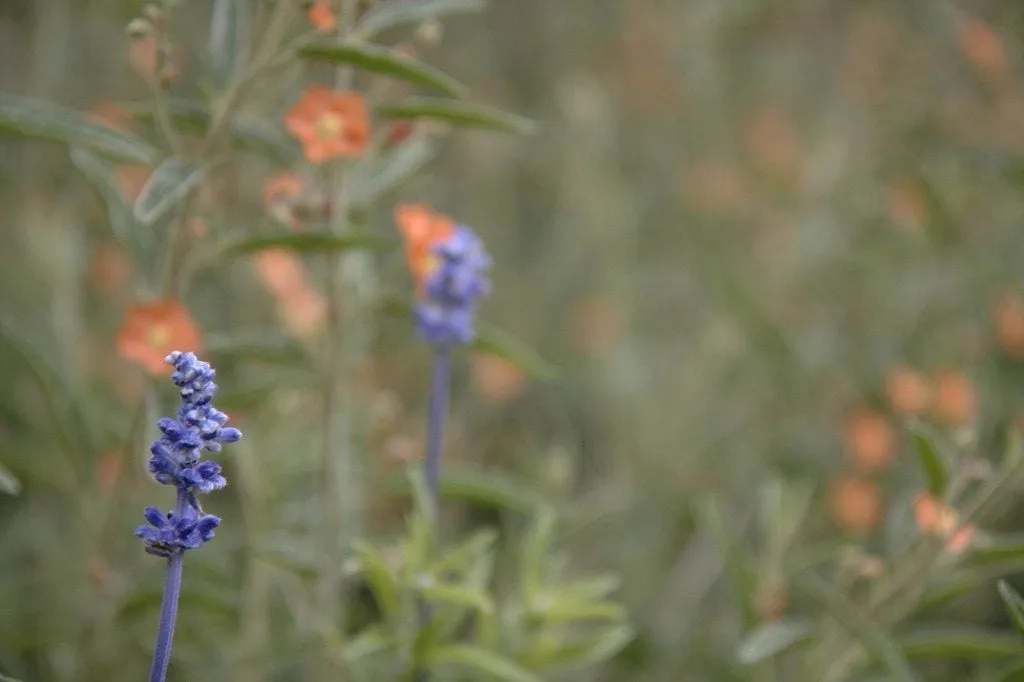
Image by dmott9 There are a variety of elements that make up a plant’s natural environment – weather, temperature, light, soil, animal life, etc. Gardening with native plants means working within these elements and with the plants that are adapted to these conditions. No natural environment is exactly alike, but many may resemble one another. For this reason, designing gardens and landscapes is more easily accomplished when they complement their natural surroundings within a given area. It doesn’t matter where you live or where you garden; native plants can still be found thriving there. If designed appropriately, with native habitats in mind, native plantings will require little maintenance as their natural environments sufficiently meet all of their needs.
Gardening with natives can offer many alternatives to traditional gardening simply by looking more closely at their natural environments for inspiration. Whether you incorporate a new garden or add to an existing one, native plants will give it a life of its own, significantly reducing the amount of labor needed in maintaining it. Nature simply takes over and does all the work for you. For instance, although occasional watering may be required, for the most part, native plants make do with whatever water nature provides. Native plants suffer from fewer problems and are less vulnerable to pests and diseases. Allowing wildlife into these natural environments also helps keep pests to a minimum.
Throughout the world, different regions are found with similar climates and conditions, making it quite easy to choose native plants for your area, regardless of their origins. Becoming familiar with the climate and conditions within your region as well as those with similar characteristics is the first step towards achieving a native plant environment. Plants that have adapted to your region’s conditions will thrive in the garden. For instance, northern natives are well adapted to cold, while those in the South are accustomed to heat and humidity. Native environments with similar attributes will also flourish in your area. Native plants within mountainous regions, for example, are also adapted to cooler temperatures, thriving in many northern environments as well. Desert and prairie plants often tolerate heat and drought and will thrive in many southern landscapes.
Knowing what you want and studying your site as well as other regions will help give you a sense of what native plants will better adapt to your conditions. Even in arid climates, there may be areas where rainwater collects, for instance. Forests flourish with a variety of understory plantings and dense trees. Coniferous forests are home to hemlock, cedar, spruce, fir, and pine while deciduous forests house elm, oak, hickory, poplar, and dogwood. Both environments include a host of wildflower and native species like fern, bellflower, wild hyacinth, trillium, and others. Tropical rain forests have plenty of rain and humid conditions. Trees and other vegetation grow close together and vines climb vigorously among them.
Woodlands are more open than forests with drought-tolerant trees, shrubs, and various wildflowers. Woodland environments vary from occasional droughts to relatively high rainfall. They may have steep, jagged features and cool spots or may consist of rolling hills, valleys, and warmer conditions. The soil may vary from shallow and dry to deep and crumbly. Nonetheless, these regions support a range of native plants that will no doubt suit the same requirements of your own area. Mountainous regions have steep cliffs, canyons, and hillsides. Plants in these environments have adapted to higher elevations, low humidity, strong winds, intense sun, and shallow soil. Rock gardens are great for implementing mountainous natives. Mountain meadows are filled with grasses and colorful wildflowers, many of which are suitable for beds and borders. Wetlands support natives such as pondweed, water lily, cattail, sedge, and reed grass. Coastal regions, great for seaside gardens, may consist of dunes, marshes, and ponds. Native plants are well adapted to drier conditions, sandy soil, wind and salt sprays. Some of these plants may include yucca, pampas grass, hibiscus, and blue flag iris.
Grasslands and prairies generally possess low water, higher temperatures, and a variety of soil conditions, from clay-like to richly fertile. Native plants that are at home in these environments include a variety of grasses and wildflowers like blazing star, coneflower, and black-eyed Susan. Many drought-tolerant plants will also fit in here. Desert environments can be challenging but worthwhile and beautiful. Extreme temperatures, little rainfall or water, and intense sun and wind dominate these regions. Generally, the soil is not suitable for gardening, composed mainly of sand, silt, or heavy clay. There are also dramatic changes within the microclimates. Native plantings are usually more spread out in desert-like regions but offer an array of plant life to choose from. These may include small trees and shrubs like Joshua tree, mesquite, Creosote bush, and sagebrush as well as wildflowers and other native plants that include desert marigold, yucca, grasses, and a number of cacti and succulents.
As with any form of gardening, a diversity of native plants with different heights, forms, textures, flowering habits, and other attractive characteristics, as seen in the wild, will create and hold interest year round.
Print This Article - Printer Friendly Version
By Heather Rhoades
Image by dmott9 There are a variety of elements that make up a plant’s natural environment – weather, temperature, light, soil, animal life, etc. Gardening with native plants means working within these elements and with the plants that are adapted to these conditions. No natural environment is exactly alike, but many may resemble one another. For this reason, designing gardens and landscapes is more easily accomplished when they complement their natural surroundings within a given area. It doesn’t matter where you live or where you garden; native plants can still be found thriving there. If designed appropriately, with native habitats in mind, native plantings will require little maintenance as their natural environments sufficiently meet all of their needs.
Gardening with natives can offer many alternatives to traditional gardening simply by looking more closely at their natural environments for inspiration. Whether you incorporate a new garden or add to an existing one, native plants will give it a life of its own, significantly reducing the amount of labor needed in maintaining it. Nature simply takes over and does all the work for you. For instance, although occasional watering may be required, for the most part, native plants make do with whatever water nature provides. Native plants suffer from fewer problems and are less vulnerable to pests and diseases. Allowing wildlife into these natural environments also helps keep pests to a minimum.
Throughout the world, different regions are found with similar climates and conditions, making it quite easy to choose native plants for your area, regardless of their origins. Becoming familiar with the climate and conditions within your region as well as those with similar characteristics is the first step towards achieving a native plant environment. Plants that have adapted to your region’s conditions will thrive in the garden. For instance, northern natives are well adapted to cold, while those in the South are accustomed to heat and humidity. Native environments with similar attributes will also flourish in your area. Native plants within mountainous regions, for example, are also adapted to cooler temperatures, thriving in many northern environments as well. Desert and prairie plants often tolerate heat and drought and will thrive in many southern landscapes.
Knowing what you want and studying your site as well as other regions will help give you a sense of what native plants will better adapt to your conditions. Even in arid climates, there may be areas where rainwater collects, for instance. Forests flourish with a variety of understory plantings and dense trees. Coniferous forests are home to hemlock, cedar, spruce, fir, and pine while deciduous forests house elm, oak, hickory, poplar, and dogwood. Both environments include a host of wildflower and native species like fern, bellflower, wild hyacinth, trillium, and others. Tropical rain forests have plenty of rain and humid conditions. Trees and other vegetation grow close together and vines climb vigorously among them.
Woodlands are more open than forests with drought-tolerant trees, shrubs, and various wildflowers. Woodland environments vary from occasional droughts to relatively high rainfall. They may have steep, jagged features and cool spots or may consist of rolling hills, valleys, and warmer conditions. The soil may vary from shallow and dry to deep and crumbly. Nonetheless, these regions support a range of native plants that will no doubt suit the same requirements of your own area. Mountainous regions have steep cliffs, canyons, and hillsides. Plants in these environments have adapted to higher elevations, low humidity, strong winds, intense sun, and shallow soil. Rock gardens are great for implementing mountainous natives. Mountain meadows are filled with grasses and colorful wildflowers, many of which are suitable for beds and borders. Wetlands support natives such as pondweed, water lily, cattail, sedge, and reed grass. Coastal regions, great for seaside gardens, may consist of dunes, marshes, and ponds. Native plants are well adapted to drier conditions, sandy soil, wind and salt sprays. Some of these plants may include yucca, pampas grass, hibiscus, and blue flag iris.
Grasslands and prairies generally possess low water, higher temperatures, and a variety of soil conditions, from clay-like to richly fertile. Native plants that are at home in these environments include a variety of grasses and wildflowers like blazing star, coneflower, and black-eyed Susan. Many drought-tolerant plants will also fit in here. Desert environments can be challenging but worthwhile and beautiful. Extreme temperatures, little rainfall or water, and intense sun and wind dominate these regions. Generally, the soil is not suitable for gardening, composed mainly of sand, silt, or heavy clay. There are also dramatic changes within the microclimates. Native plantings are usually more spread out in desert-like regions but offer an array of plant life to choose from. These may include small trees and shrubs like Joshua tree, mesquite, Creosote bush, and sagebrush as well as wildflowers and other native plants that include desert marigold, yucca, grasses, and a number of cacti and succulents.
As with any form of gardening, a diversity of native plants with different heights, forms, textures, flowering habits, and other attractive characteristics, as seen in the wild, will create and hold interest year round.
Print This Article - Printer Friendly Version
TweetMore Information:
Didn't find the answer to your question? Ask one of our gardening experts.
Do you know anything about gardening? Help answer someone's gardening question.
Read more articles in Flower Gardening.
You might also be interested in these articles: