By Stan V. (Stan the Roseman) Griep
American Rose Society Certified Consulting Rosarian – Rocky Mountain District

Image by Ryo Chijiiwa Whenever I am asked a question about a plant not thriving, the first thing I want to know is what the pH rating of the soils is. The soil pH rating can be the main key to a plant of any kind doing exceptionally well, just getting by or heading towards death. Soil pH for plants is crucial to their health.
What Is Soil pH
Soils pH is a measurement of the alkalinity or acidity of the soils. The soil pH range is measured on a scale of 1 to14 with 7 as the neutral mark, anything below 7 is considered acidic soil and anything above 7 is considered alkaline soils.
Importance Of Soil pH For Plants
The middle of the range on the soil pH scale is the best range for bacterial growth in the soils that promote decomposition. The decomposition process releases nutrients and minerals into the soils home of our plants making them available for the plants or bushes use. Soil fertility depends on pH. The mid range is also perfect for micro-organisms that convert the nitrogen in the air into a form which the plants can readily use.
When the pH rating is outside the mid range both of these extremely important processes become more and more inhibited, thus locking up the nutrients in the soils home of our plants such that the plant cannot take them up and use them to their full advantage.
Testing Soil pH
The soil pH can get out of balance for several reasons. The sole use of inorganic fertilizers will cause the soils to be more acidic over time of continued applications. Using a rotation of organic and inorganic fertilizers will aid in keeping the soils pH from getting out of balance.
Adding amendments to the soil can also alter the soil’s pH rating. Testing soil pH of the garden occasionally then making the appropriate soil pH adjustment based on those tests is highly recommended in order to keep thing in balance.
Maintaining the critical pH balance will allow the various plants to be hardier and happier plants thus allowing the gardener to enjoy top quality blooms and vegetable or fruit harvests.
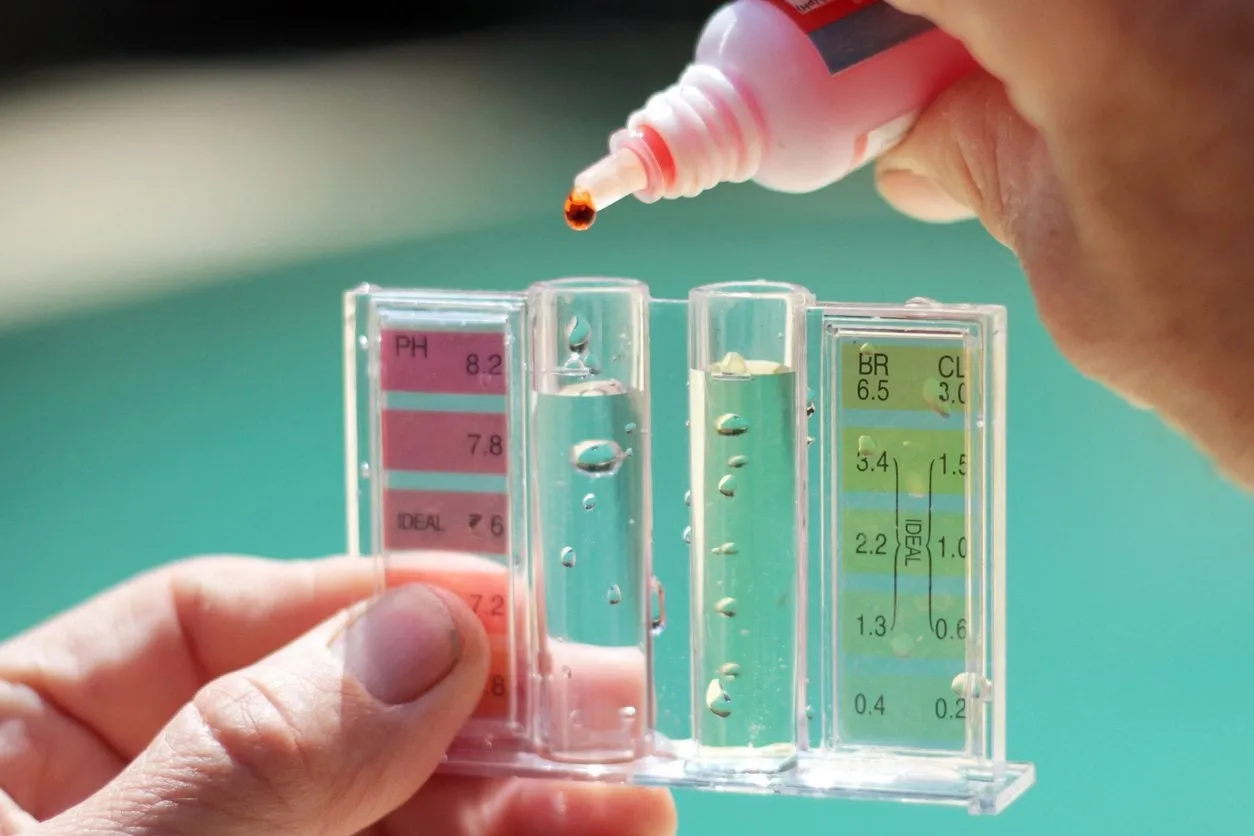
There are some very good and low cost pH testing devices on the market today that are also very easy to use. Soil pH testing kits are available from many gardening stores, or your local extension office can also test soil samples for you.
Proper Soil pH For Plants
Below is a list of some of the “preferred” pH ranges for flowering plants, vegetables and herbs:
Soil pH For Flowers
| Flower | Preferred pH Range |
| Ageratum | 6.0 – 7.5 |
| Alyssum | 6.0 – 7.5 |
| Aster | 5.5 – 7.5 |
| Carnation | 6.0 – 7.5 |
| Chrysanthemum | 6.0 – 7.0 |
| Columbine | 6.0 – 7.0 |
| Coreopsis | 5.0 – 6.0 |
| Cosmos | 5.0 – 8.0 |
| Crocus | 6.0 – 8.0 |
| Daffodil | 6.0 – 6.5 |
| Dahlia | 6.0 – 7.5 |
| Day Lily | 6.0 – 8.0 |
| Delphinium | 6.0 – 7.5 |
| Dianthus | 6.0 – 7.5 |
| Forget-Me-Not | 6.0 – 7.0 |
| Gladiola | 6.0 – 7.0 |
| Hyacinth | 6.5 – 7.5 |
| Iris | 5.0 – 6.5 |
| Marigold | 5.5 – 7.0 |
| Nasturtium | 5.5 – 7.5 |
| Petunia | 6.0 – 7.5 |
| Roses | 6.0 – 7.0 |
| Tulip | 6.0 – 7.0 |
| Zinnia | 5.5 – 7.5 |
Soil pH For Herbs
| Herbs | Preferred pH Range |
| Basil | 5.5 – 6.5 |
| Chives | 6.0 – 7.0 |
| Fennel | 5.0 – 6.0 |
| Garlic | 5.5 – 7.5 |
| Ginger | 6.0 – 8.0 |
| Marjoram | 6.0 – 8.0 |
| Mint | 7.0 – 8.0 |
| Parsley | 5.0 – 7.0 |
| Peppermint | 6.0 – 7.5 |
| Rosemary | 5.0 – 6.0 |
| Sage | 5.5 – 6.5 |
| Spearmint | 5.5 – 7.5 |
| Thyme | 5.5 – 7.0 |
Soil pH For Vegetables
| Vegetable | Preferred pH Range |
| Beans | 6.0 – 7.5 |
| Broccoli | 6.0 – 7.0 |
| Brussel Sprouts | 6.0 – 7.5 |
| Cabbage | 6.0 – 7.5 |
| Carrot | 5.5 – 7.0 |
| Corn | 5.5 – 7.0 |
| Cucumber | 5.5 – 7.5 |
| Lettuce | 6.0 – 7.0 |
| Mushroom | 6.5 – 7.5 |
| Onion | 6.0 – 7.0 |
| Pea | 6.0 – 7.5 |
| Potato | 4.5 – 6.0 |
| Pumpkin | 5.5 – 7.5 |
| Radish | 6.0 – 7.0 |
| Rhubarb | 5.5 – 7.0 |
| Spinach | 6.0 – 7.5 |
| Tomato | 5.5 – 7.5 |
| Turnip | 5.5 – 7.0 |
| Watermelon | 5.5 – 6.5 |
Print This Article - Printer Friendly Version
Helpful?:


Loading ...
By Stan V. (Stan the Roseman) Griep
American Rose Society Certified Consulting Rosarian – Rocky Mountain District
Image by Ryo Chijiiwa Whenever I am asked a question about a plant not thriving, the first thing I want to know is what the pH rating of the soils is. The soil pH rating can be the main key to a plant of any kind doing exceptionally well, just getting by or heading towards death. Soil pH for plants is crucial to their health.
What Is Soil pH
Soils pH is a measurement of the alkalinity or acidity of the soils. The soil pH range is measured on a scale of 1 to14 with 7 as the neutral mark, anything below 7 is considered acidic soil and anything above 7 is considered alkaline soils.
Importance Of Soil pH For Plants
The middle of the range on the soil pH scale is the best range for bacterial growth in the soils that promote decomposition. The decomposition process releases nutrients and minerals into the soils home of our plants making them available for the plants or bushes use. Soil fertility depends on pH. The mid range is also perfect for micro-organisms that convert the nitrogen in the air into a form which the plants can readily use.
When the pH rating is outside the mid range both of these extremely important processes become more and more inhibited, thus locking up the nutrients in the soils home of our plants such that the plant cannot take them up and use them to their full advantage.
Testing Soil pH
The soil pH can get out of balance for several reasons. The sole use of inorganic fertilizers will cause the soils to be more acidic over time of continued applications. Using a rotation of organic and inorganic fertilizers will aid in keeping the soils pH from getting out of balance.
Adding amendments to the soil can also alter the soil’s pH rating. Testing soil pH of the garden occasionally then making the appropriate soil pH adjustment based on those tests is highly recommended in order to keep thing in balance.
Maintaining the critical pH balance will allow the various plants to be hardier and happier plants thus allowing the gardener to enjoy top quality blooms and vegetable or fruit harvests.
There are some very good and low cost pH testing devices on the market today that are also very easy to use. Soil pH testing kits are available from many gardening stores, or your local extension office can also test soil samples for you.
Proper Soil pH For Plants
Below is a list of some of the “preferred” pH ranges for flowering plants, vegetables and herbs:
Soil pH For Flowers
Soil pH For Herbs
Soil pH For Vegetables
Print This Article - Printer Friendly Version
TweetMore Information:
Didn't find the answer to your question? Ask one of our gardening experts.
Do you know anything about gardening? Help answer someone's gardening question.
Read more articles in Gardening How To.
You might also be interested in these articles: