What Is An Herb Used For: Learn More About Herb Gardens
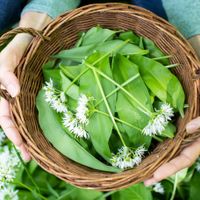
In order to know more about herb gardens, it helps to have an understanding of what an herb is. There are many types of herbs and herb gardens, all having a number of different uses. Keep reading for information on using herb gardens.
What is an Herb?
Herbs are defined as plants that are useful to humans. Not quite the same as a vegetable or a fruit, an herb is something we value for a variety of different reasons. An herb can be useful to us for its flavor, its scent, its medicinal properties or its use as an insecticide. Some herbs are used as coloring for dyes or for industrial uses. Herbs have been used for thousands of years in teas and balms to relieve physical ailments, such as upset stomachs and stress-induced illness. Herbs are not only useful to humans, but they are attractive as well. Gardeners use them as borders for their landscaping, along walkways, and mixed in with their flowers and shrubs. Cooks use them for the unique flavorings that they bring to food. Spices are plants that are used in many of the same ways as herbal plants but come from tropical regions. Spices are more difficult to grow. Herbs, on the other hand, can grow quite nicely almost anywhere that has a growing season. Herbs can be found as annuals (plants that live for one season), biennials (plants that live for two seasons), or perennials (plants that come back year after year).
What is an Herb Garden?
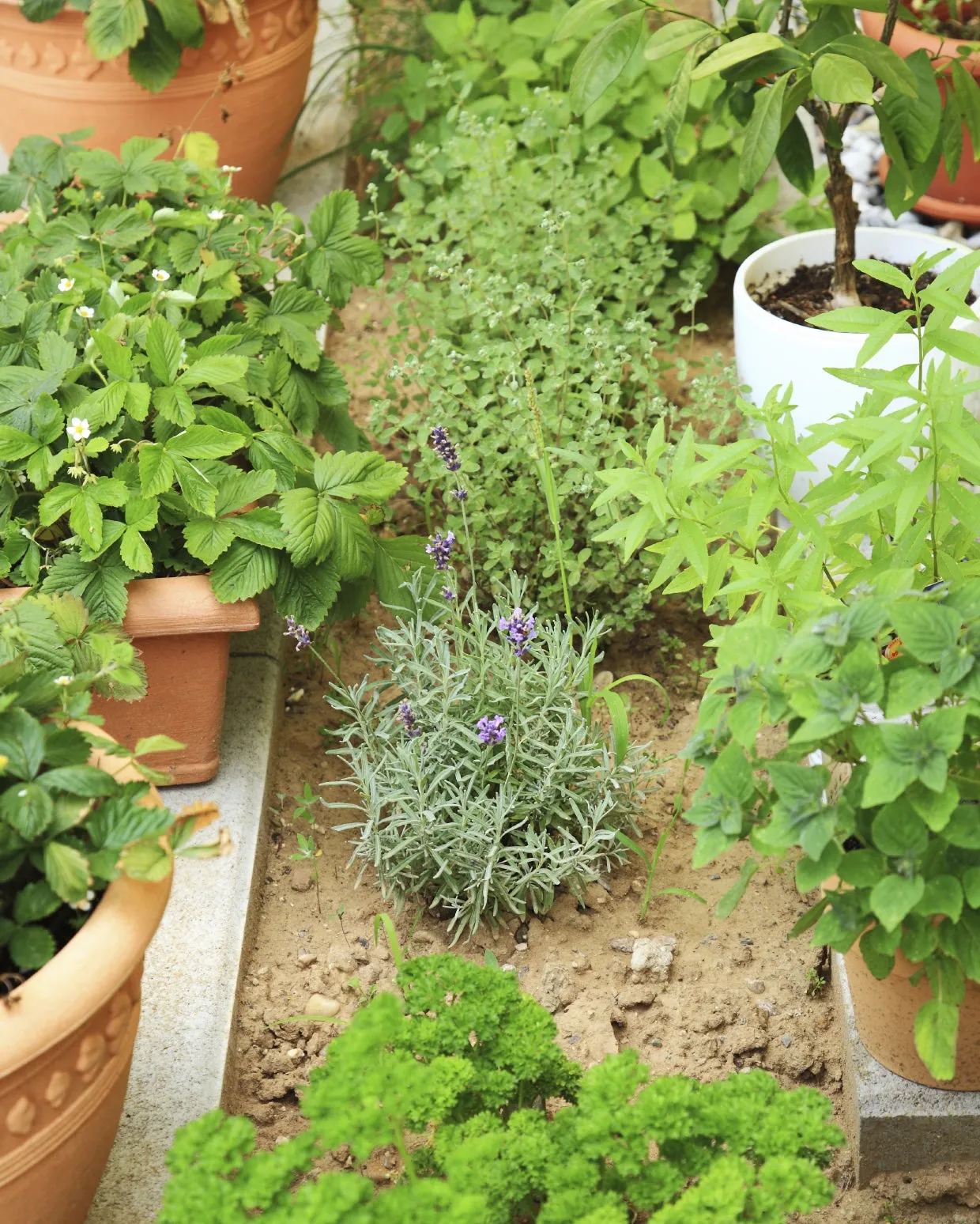
An herb garden is basically a garden that is being used solely to grow herbs. A better description of what an herb garden might be is a beautiful and relaxing place where you can find plants that are not only useful but beneficial to the enjoyment of life. An herb garden can be any size or shape and can contain many different types of herbs or just a few. An herb garden may take up an entire yard or may simply be planted in a small windowbox container. Herb gardens can be kept indoors on a sunny windowsill or outdoors in the open breeze. An herb garden design can also be incorporated into a vegetable garden, with landscape shrubbery, or mixed in with your flowers.

Types of Herb Gardens
There are many different types of herb gardens and many ways for using herb gardens, each with their own character and charisma.
Kitchen Herb Garden
A culinary, or kitchen, herb garden will consist of only herbs used for flavorings in cooking. Most are grown in containers, though they can be grown in the garden too, nearest the kitchen. It might contain:
Fragrant Herb Garden
An aromatic herb garden will consist of herb plants that are highly noted for their fragrance and used for cut flowers, aromatherapy, or for making potpourri and scented candles. It might contain herbs like:
Herbal Tea Garden
An herbal tea garden will consist of herbs such as chamomile, anise, hyssop, and assorted mints that can be brewed into delicious teas.
Medicinal Herb Garden
A medicinal herb garden will consist of herbs used for soothing and comfort, where you might find aloe and feverfew. A word of caution on using herb gardens for medicinal purposes: while some herbs have been found to be helpful, other herbs can be harmful if ingested or used improperly. Always check with a doctor before starting any herbal remedy.
Ornamental Herb Garden
Ornamental herb gardens are prized for their beautiful flowers and unusual foliage. An ornamental herb garden might contain southernwood, sage, and germander. The most popular type of herb garden design consists of many different varieties of herbal plants, some for cooking, some for fragrance, some for beauty, and some for just soothing your soul. With so many wonderful herbs to choose from, the question shouldn't be what is an herb garden, but rather what is growing in your herb garden?
