If you don’t feed your houseplants regularly, they tend to underachieve.  You should start feeding regularly once they fill the pot they are in with roots.  If you want them to remain healthy and create a lush, attractive display, you need to give them regular feedings.  From early Spring into Summer, both leafy plants and flowering plants require some feeding at 10-14 day intervals.  Houseplants that flower only in the winter should be fed the same way, but only when they are flowering.

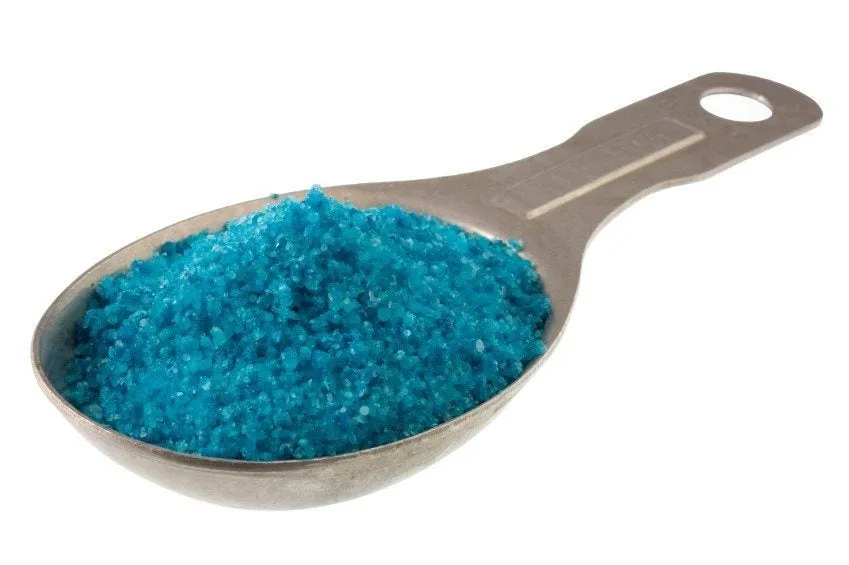
Most people feed their houseplants by mixing concentrated liquid fertilizer in clean room temperature water and watering the plants with it.  Make sure you don’t make the mixture too strong.  Only mix the way the manufacturer tells you too.  You also want to make sure the compost is already moist.  This will help the fertilizer you add to absorb easier and quicker.  Make up only enough fertilizer to feed your plants.  Don’t make up large quantities and store it because it can get stronger while it sits.

Feeding sticks are another quick and easy way people fertilize their indoor plants.  All you do is push the fertilizer pegs into the compost about 1cm from the pot’s side.  There are fertilizer pills as well.  Both the sticks and the pills give the plants food over a longer period of time, but they sometimes encourage the roots to become congested around them.

Plants that flower throughout the summer shouldn’t be fertilized with pills and pegs past the midsummer growing season.  The last fertilizer peg or pill that you would administer will keep the plant fertilized throughout it’s flowering process.  If you have winter flowering plants, insert the last peg or pill in autumn and early winter.

When it’s time to repot your plant, you should use a combination of plastic pots and peat-based compost.  Of course, this depends on the plant’s requirements.  First, soak the clay pot for a day before using it so the pot won’t draw the water out of the compost.

Pots are available in all sorts of sizes but you usually only need four or five different sizes.  The most common sizes used are the 6cm, 8cm, 13cm, 18 cm and 25cm.  You will always want to leave enough space between the rim of the pot and the surface of the compost.  That’s your watering space.  It should increase with the size of your pot because larger pots hold larger plants which require more water.

When one of your houseplants is in a large pot and can’t be repotted, you will have to top-dress the compost.  What this means is you will have to remove the top 25-36mm (1-1 1/2″) of old compost and replace it with fresh compost.  You want to be sure not to damage the plant’s roots.  Also, leave a gap between the top of the compost and the rim of the pot so that the plant can be watered easily.

The steps to repotting are pretty basic:

First, water the plant the day before you plan on repotting it.  Put your fingers over the top of the root ball and invert the pot.    Tap the pot’s rim on a firm surface like a table or counter.  If the root ball resists, run a knife between the pot and the root ball to loosen the roots.

Then, you need to inspect the roots and remove the crock from the root ball’s base when repotting into a clay pot.  Tease the roots free.  You might have to use a stiff label or sticker.

After that, pick a clean pot a little larger than the one you just removed the plant from.  If you are using a plastic pot to repot the plant, no crock is needed.  But for a clay pot, it’s usually a good idea to add one.

Then, place a nice, firm handful of fresh compost into the pot’s base.  Place the root ball on top of that in the center.  Make sure the surface of that root ball is below the rim so you can cover it adequately with compost.  Once you have the plant in the correct position, gently place some fresh compost around it and over it.  Do not ram the compost into the pot tightly.  You want to give the roots some ability to move and grow.

Finally, if you think it’s necessary, add more compost on top and gently make it firm.  Be sure to leave the recommended amount of space on top for watering purposes.  Put the plant where moisture can drain freely and trickle water onto the plant filling the watering space on top.  All extra water to drain out and place the pot in an attractive outer container to catch anymore water.  You won’t want to water this plant again until the compost shows some signs of drying out.

Feeding and repotting your plants are not hard things to do.  Sometimes, it can be time consuming and they are definitely chores that fall low on the list at times.  But you will real many rewards in the long run with the beauty you will be creating.