Plantlets On Houseplants

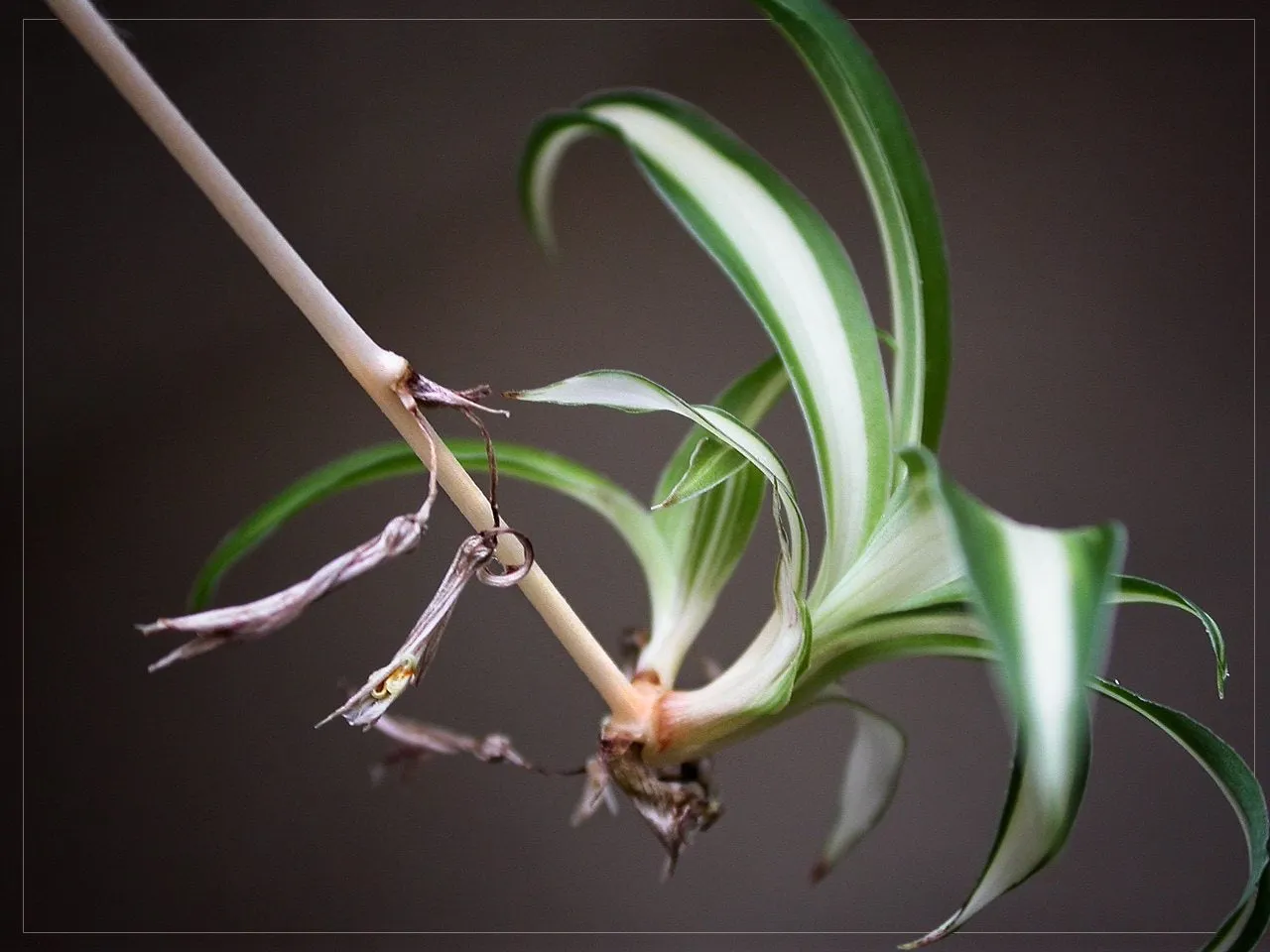
Many houseplants produce plantlets, or little offshoots of the original plant, from which new plants can be grown. Some of them have runners or creeping stems which travel along the ground through the compost, starting new plants along the way. Some develop roots wherever their arching stems touch the ground. Some plantlets start rooting while they are still attached to the parent plant, while others wait until they come into contact with the compost before taking hold.
Propagating Different Types of Plantlets on Houseplants
Spider plant (Chlorophytum comosum) and strawberry begonia (Saxifraga stolonifera) are two of the easiest plants to grow offsets, as both produce smaller versions of themselves along the end of arching stems. The best way to grow them is to set little pots around the larger mother pot. Take the stolons and place them so the plantlets are resting on the surface of the compost in the little pots. Once each one grows roots, you can disconnect it from the mother plant. Sometimes on the leaf surface or, more usually, around the rosettes of the leaves of the mother plant, there are offsets that grow. These can be severed from the parent plant and grown by themselves. The chandelier plant (Kalanchoe delagoensis, syn. K. tubiflora) has offsets that grow at the leaf tip. Mother of thousands (K. daigremontiana, syn. Bryophillum diagremontianum) grow offsets around the leaf edges. In order to root detachable offsets, water the parent plant the day before to ensure that the plant is nice and hydrated. Fill an 8 cm (3 in.) pot with potting compost and water it well. Take only a few plantlets from each leaf with your fingers or tweezers so you don't alter the appearance of the plant too much. Be very careful in your handling of the plantlets. Take the plantlets and arrange them on the surface of the compost. Give each plantlet its own growing space in the pot and keep the compost moist by watering from below. Once the plants start growing, roots will form and you can repot each one of the plantlets to their own little pot. Many succulents and bromeliads have offsets that grow around the base of or on the plant. Often, you can tell these are new plants, especially with cacti. In some cases, they might be attached to the parent plant and not as easily definable as with bromeliads. The best time to remove these offsets is when you are repotting the whole plant, when you can cut them off with a sharp, clean knife. For those that tend to grow up and around the base of the plant, make sure you get a piece of the root when you remove it. With cactus offsets, allow them to dry for a few days before you plant them in compost. Other plants can be potted right away. Half-fill the pot first, then put the plant with roots in the pot while trickling more compost around the plant. Firm the compost and water the plant from below. Follow these steps and you will find you can take care of your larger plants in the house just as well as other smaller plants.
Sign up for the Gardening Know How newsletter today and receive a free copy of our e-book "How to Grow Delicious Tomatoes".

Heather Rhoades founded Gardening Know How in 2007. She holds degrees from Cleveland State University and Northern Kentucky University. She is an avid gardener with a passion for community, and is a recipient of the Master Gardeners of Ohio Lifetime Achievement Award.