Weed It and Reap: How To Weed Your Garden Naturally
Weeds are plants that grow where they aren’t wanted. This is a simplistic description that does nothing to help gardeners who fight what seems like an endless battle – to create a tidy landscape free of encroachment by pesky weeds. It’s tempting to think that the secret to a perfect garden is to drown unwanted weeds with chemicals. However, there are ways to weed your garden naturally. For the sake of the environment – and your pocketbook – herbicides should always be a last resort when all else fails. Read on to learn about controlling weeds without chemicals.
Types of Weeds
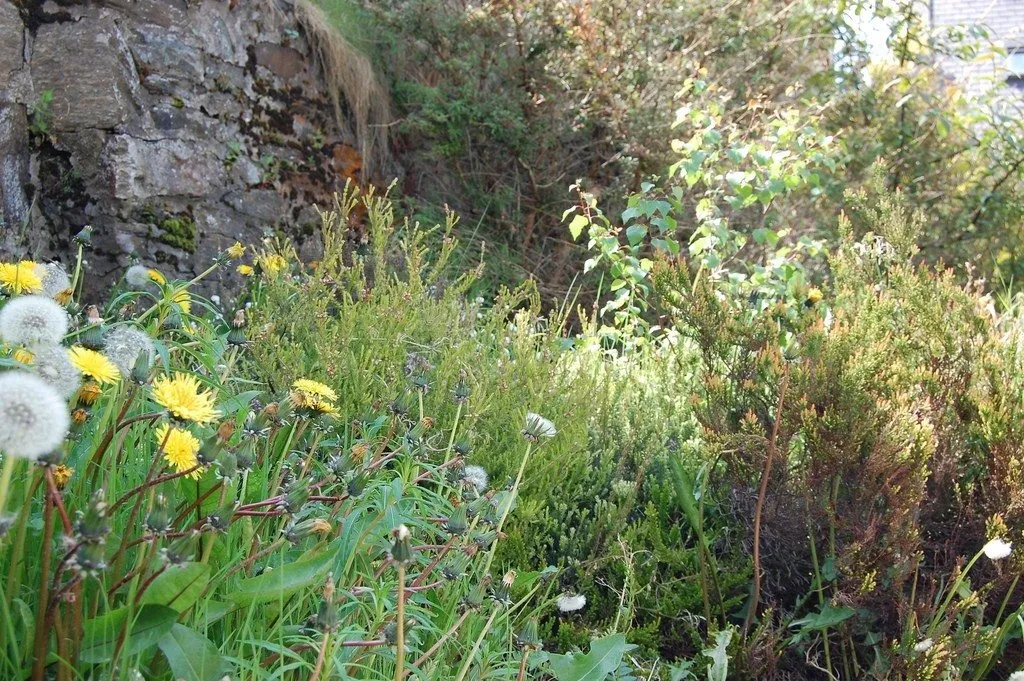
Before you begin your quest to weed your garden naturally, it may help to have a basic understanding of types of weeds. If you garden regularly, you are probably already well aware of the three types of weeds: broadleaf weeds (like dandelions), grass-like weeds (such as wild chives), and grassy weeds (like crabgrass). All weeds, no matter the type, fall under three primary classifications:
- Annuals, which grow, set seeds, and die in a single year
- Biennials, which survive for two years
- Perennials, which can live for many years
Natural Weed Control
Here are some methods for killing weeds naturally:

Remove weeds by hand – Use a slender trowel or a dandelion fork to remove weeds by the roots when they are young and tender, or wear gloves and tug the weeds from the soil. This task is easiest after a rainfall, or you can soften the soil by watering the day before. Work carefully to get the entire root, or your hard work may be in vain. Some roots, such as dandelions, have long, tough taproots and small pieces left in the soil are enough to regenerate new plants.
Minimize cultivation – Deep cultivation often brings dormant weed seeds to the top, where they are exposed to water and sunlight that allows them to germinate. Often, simply scraping the surface of the soil with a hoe is enough to keep weeds in check, although the task must be repeated regularly. Hoeing is most effective for annual weeds. Till or dig the soil only when absolutely necessary.
Mulch the soil – A layer of organic mulch may not keep every weed seed from sprouting but minimizing exposure to sunlight can help keep weeds in check. Limit mulch to 3 inches (7.5 cm.) or less, as a thick layer of mulch can provide a hiding place for slugs and snails. For areas that don’t require cultivation or digging, consider placing a sheet of landscape fabric under the mulch.
Call in the critters – It may sound funny, but many property owners hire goat farmers who raise the animals solely to control unwanted vegetation. Goats aren’t the best means of control when it comes to grassy weeds, but they love broadleaf plants. Goats are able to get to areas that are difficult for humans to access, and they even like poison ivy. A cost-effective means of controlling invasive plants, goats are used by the U.S. Department of Fish and Wildlife, U.S. Forest Service, Bureau of Land Management, and many counties and cities.
Don’t let plants go to seed – If you can’t remove weeds by the roots, the most important thing is to never, ever let them go to seed. Remove blooms with clippers, or if you have a large patch, use weed trimmers or a mower. By all means, don’t wait until the blooms wilt and turn dry.
Try vinegar – Many people think use of vinegar to control weeds is just an old wives tale, but some gardeners swear that the acidic liquid is effective when used to drench individual weeds. Don’t count on vinegar to solve all of your weedy problems, as it may not kill root systems of larger weeds. Apply vinegar carefully, as herbicides, since it can also kill the plants you want to keep. Vinegar, however, is safe for the soil.
Choke them out – A healthy lawn or garden can help choke out unwanted plants. Pay close attention to water and fertilizer and be sure plants have adequate air circulation. Treat pests and diseases promptly and dispose of unhealthy plants. Choose your weapons well. Different types of weeds call for different defense tactics. Additionally, you must also choose your battles wisely. Since weeds are an inevitable part of gardening, some battles are simply not worth the effort. Believe it or not, some weeds can be quite beautiful and even useful in the garden.
