What Is An Organic Garden: Information On Growing Organic Gardens
Eat organic, the ads in the 'health' magazines scream at you. One hundred percent organic produce, says the sign at the local farmer's market. Just what is organic gardening and how can it be beneficial to you? Keep reading to find out exactly what makes an organic garden.
What is an Organic Garden?
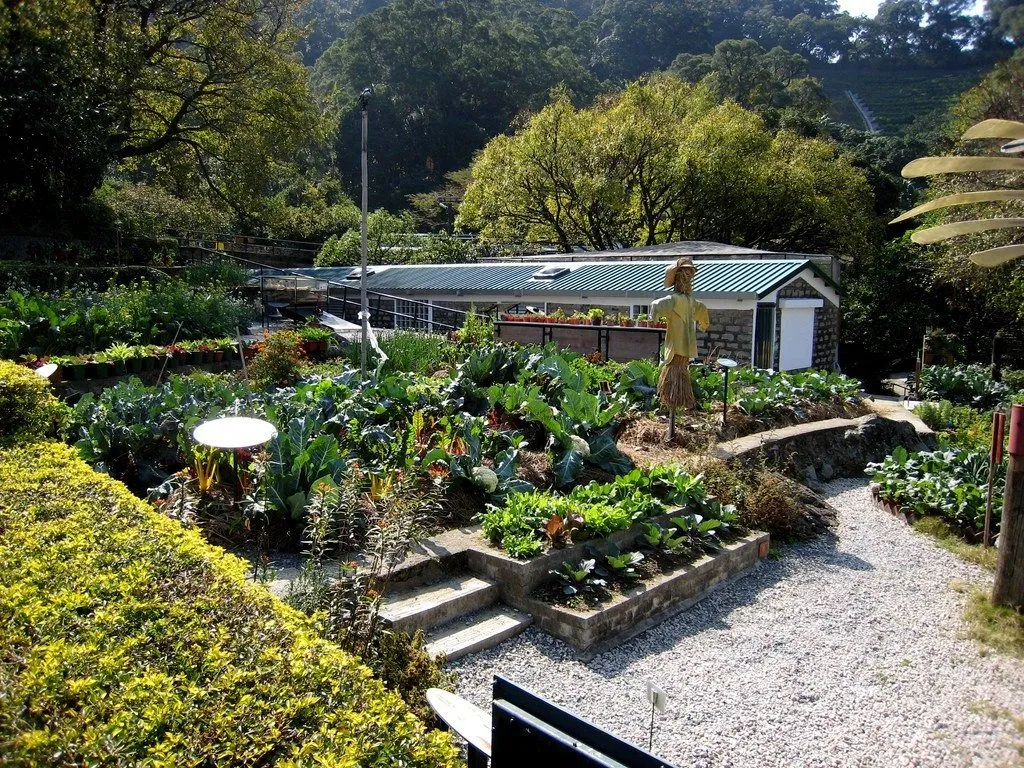
Organic gardening is a term used to designate that the flowers, herbs or vegetables have not been subjected to any chemical or synthetic fertilizers or herbicides. This distinction also includes the ground they were grown in and how they were treated while producing. An organic garden is one that uses nothing but natural methods of bug control and natural, organic means of fertilizing the soil. The belief is simply that organic food products are safer and healthier for us to eat.
Tips for Growing Organic Gardens
Organic farmers achieve natural bug control by using companion planting and beneficial insects, such as ladybugs, to rid the garden of pests, like aphids, that destroy crops. Many organic farmers, and even some who are not, plant their crops in certain combinations in order to repel pests. A good example of this would be planting hot peppers near beans and peas with the idea that the capsaicin will deter the bean beetle and other insects. Another example of this would be marigolds in the potato patch to dissuade the potato bug. A good organic garden is only as good as the soil it is grown in. To achieve superior soil, most organic farmers rely on compost, which is made from the breaking down of organic matter (i.e. eggshells, coffee grounds, animal feces and grass or yard clippings). Throughout the year, organic gardeners collect the household waste, animal manure, and yard clippings for the compost bin. This bin is turned regularly in order to facilitate decomposition. Normally, by the end of a year, the waste matter will turn into what is known as 'black gold.' Early in the growing season, the organic gardener will work the compost into the garden plot, thus enriching the soil with the natural ingredients needed for a rich growing bed. This black gold is the key for rich soil, which in turn is key to growing organic vegetables, flowers and herbs. It gives the plants the nutrients they need to grow strong and healthy.

Organic Gardening Concerns
Currently, there are few large scale organic operations in the United States. Most organic gardens are raised by small farms and homesteads scattered around the country. Yet, the demand for organic, especially produce and herbs, is growing annually. While there are numerous organizations that organic farms can join to have their produce certified organic, there are not FDA or USDA guidelines of what can be sold as organic in your local supermarket. This means, there is no real guarantee that because the sign says 'organic' that the product really is free of pesticides and herbicides. If you are looking to purchase organic produce, your best bet is the local farmers market or health food store. Ask lots of questions to be sure of what you are truly buying. A real organic gardener will have no reservations explaining how they raise their product. The only real way to ensure that you are eating organic is to grow your own organic garden. Begin small, choose a small area and start your own compost bin. Read a lot of books or check out any of the numerous article on this website. By this time next year, you too, can be eating organic.
