






You Don’t Need to Spend a Fortune on Smart Garden Tech – Experts Share Their Budget Picks
From a basic soil probe to free apps, here's the affordable tech that actually makes a difference.


If you walk into any garden center at the moment, you will find wall-to-wall gadgets promising to revolutionize the way you garden. Things like smart irrigation controllers, Bluetooth soil sensors, automated LED grow systems, and app-connected weather stations. While these are all great ideas for gardening with technology, price tags can climb well into the hundreds.
If you’re on a budget, this is not only frustrating, but it’s enough to make you put it all back and go home to water things the old school way, which, quite honestly, might be the right call. While there is a ton of garden tech available right now, the most useful things cost almost nothing, and the expensive stuff is rarely worth buying.
I consulted some experts to find out what is really worth buying – and what you can skip.
Start With a $12 Soil Probe

Andrea, the gardener behind Andreasgarden.com – a site built fully around the concept of helping people grow better without spending a fortune – has a very clear answer when asked about the most useful, affordable piece of garden tech available right now. "A $12 soil moisture probe. Not even a smart one – just the basic stick-in-the-dirt kind. Most people kill plants by watering on a schedule instead of watering when the plant actually needs it. One probe fixes that habit faster than anything else I've seen."
This one from Lichtund Store on Amazon, as Andrea said, is a basic stick that is 10 inches long, has an O-handle for easy operation, and requires no batteries. However, if you have a slightly bigger budget, this Yamron 4-in-1 meter, also available on Amazon, is a great all-in-one probe. It tests soil moisture, plant temperature, pH, and sunlight intensity.
Elin Harryson, a plant expert at gardening app Planta, agrees on the value of soil moisture awareness, but with a slight nuance: "Soil moisture sensors can be helpful, but their impact depends on how they're used. For beginners, they can prevent overwatering – one of the most common mistakes – and help build awareness of how quickly soil dries out. However, they're not always perfectly accurate, and they shouldn't replace observation. The biggest benefit is as a learning tool, not a decision-maker."
Smart Budget Picks

This 4-in-1 smart soil tester measures moisture, pH, temperature and light levels with fast, accurate readings on a clear backlit display to help you care for plants with confidence.
![Letpot Automatic Watering System for Potted Plants, [wi-Fi & App Control] Drip Irrigation Kit System, Smart Plant Watering Devices for Indoor Outdoor, Water Shortage Remind, Ipx66, Green](https://cdn.mos.cms.futurecdn.net/ftzVn87MewNT3VQHUjivce-1920-80.jpg.webp)
This WiFi-enabled smart drip irrigation kit combines app-controlled scheduling, adjustable watering modes and upgraded anti-backflow tech to deliver efficient, reliable plant care with minimal effort.

These app-controlled smart solar lights use advanced MPPT charging, customisable colours and intelligent scheduling to deliver long-lasting, energy-efficient outdoor lighting with immersive effects.
The Best Free Apps Are Already on Your Phone

The app market for gardeners has exploded in recent years, and the quality can vary enormously. Andrea cuts straight to the point: "PlantNet for plant ID – it stops you from guessing wrong and caring for a plant the wrong way. And honestly, your phone's weather app. Checking a 10-day forecast before you plant or fertilize saves more crops than any gadget I could recommend."
Elin, naturally, points to Planta as making a meaningful difference for home growers specifically. "The biggest shift we're seeing is that people are no longer relying on one-size-fits-all instructions – they can now have customised care schedules tailored to the unique environmental parameters of each plant," including regional weather, container size, and soil type. Planta's latest update also guides gardeners from seed to harvest, which makes it particularly useful for anyone growing vegetables or starting plants from seed for the first time.
Between PlantNet for identification, Planta for care guidance, and whatever weather app you use for timing, you have a genuinely powerful set of tools for basically no cost.
What to Skip

Both experts are equally clear about what isn't worth the money. So, what do they think? "Those $200+ all-in-one smart garden kits," says Andrea flatly. "If you've got a backyard veggie patch, you don't need a dashboard. You need 10 minutes outside with your coffee every morning."
Elin adds that per-plant smart sensors, while appealing in theory, frequently produce inaccurate readings and become more frustrating than helpful – especially once you have more than a handful of plants and the cost multiplies accordingly.
Another all too common disappointment among consumers is smart irrigation timers. They’re prone to app bugs, Wi-Fi disconnections, and, if not configured correctly, can actually overwater.
Are you sensing a pattern just as I am? The more complicated and expensive the technology, the less likely it is to actually improve your garden. Which, actually, is great news for those on a budget.
Does Tech Make You a Better Gardener – or a Lazier One?
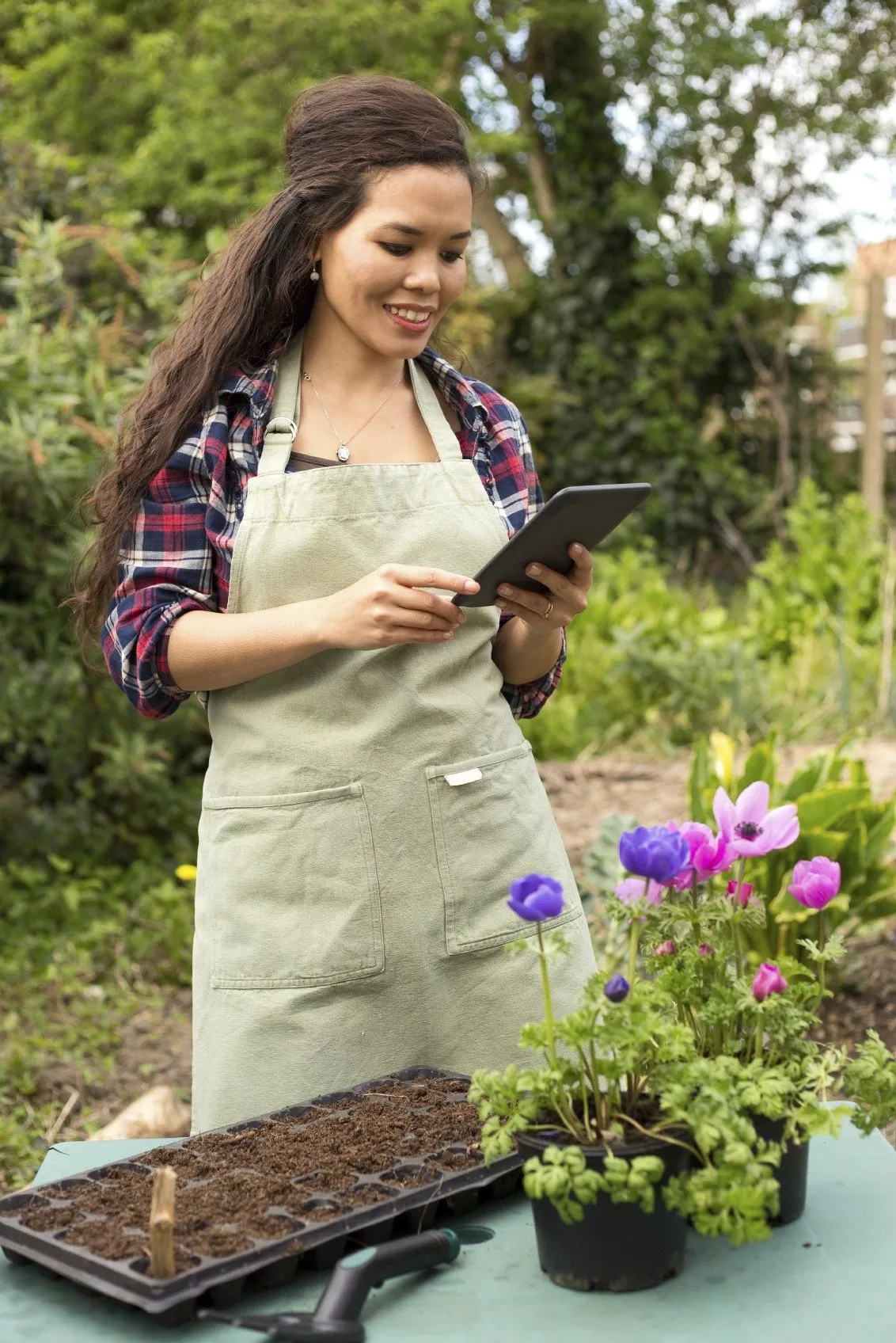
Just as with the prevalence of AI technology, like ChatGPT or Claude.ai, the question is always: will this technology make me a better gardener or just lazier? This is always a question worth asking yourself before buying anything. Both experts seem to land in the same place on this.
"When used well, technology can help build better instincts," says Elin. "At Planta, we see technology as a guide, not a replacement for intuition. By getting consistent reminders and feedback, gardeners start to notice patterns – how the weather affects watering, how plants respond to care, and when growth accelerates or slows. Over time, that builds confidence and understanding. The goal isn't dependence – it's learning through repetition and guidance."
Andrea puts it more simply: "Good tools make you more observant. A moisture probe trains your fingers. A plant ID app trains your eyes. If a tool is just sending you notifications and you're not actually learning anything, ditch it."
Where to Start

If you’re a total beginner in the garden tech world and have no idea where to begin, Andrea has some advice: "One probe, one app, 30 days. That's it." Elin echoes the sentiment: "Start simple. The most important step is building a routine. Technology should make gardening feel more approachable, not more complicated. If a tool saves you time, reduces guesswork, and helps you stay consistent, it's doing its job."
Real gardening doesn’t require you to look at a dashboard; it just requires showing up. The right technology, used simply and cheaply, should make that easier.
