
Latest articles by Darcy Larum

-
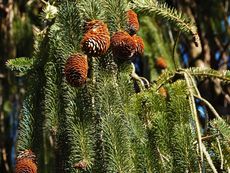 Zone 5 Weeping Trees – Growing Weeping Trees In Zone 5
Different types of weeping trees can be placed in different beds to add variety, while also carrying out shape consistency throughout the landscape. Nearly every hardiness zone has a few choices of weeping trees. This article will discuss growing weeping trees in zone 5.
-
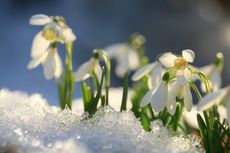 Winter Flowers For Zone 6: What Are Some Hardy Flowers For Winter
In mild hardiness zones, winter-blooming flowers can help cure the winter blues and let us know that spring isn't too far away. Learn more about winter blooming flowers in zone 6 climates and which to choose in the article that follows.
-
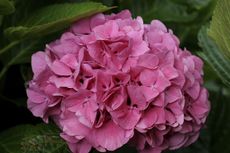 Best Plants For Alkaline Soil – Which Plants Like Alkaline Soil
If your soil is highly alkaline, adding sulphur, peat moss, sawdust, or aluminum sulfate can help neutralize it. Rather than messing with products to alter the soil pH, you can simply add plants suitable for alkaline soil. This article will help with that.
-
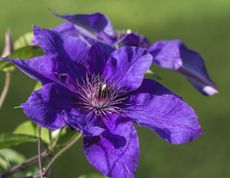 Clematis Varieties For Zone 4: Growing Clematis In Zone 4 Gardens
While not all are considered cold hardy clematis vines, many of the popular varieties of clematis can be grown in zone 4, with the proper care. Use the information in this article to help determine suitable clematis for cold climates of zone 4.
-
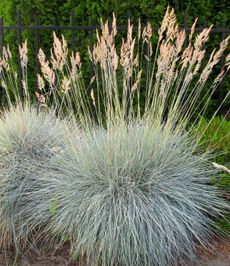 Ornamental Grasses For Zone 4: Choosing Hardy Grasses For The Garden
Ornamental grasses grow quickly and require very little maintenance. Many ornamental grasses that are commonly used in the landscape are hardy to zone 4 or below. Click the article that follows to learn more about cold hardy grasses for the garden.
-
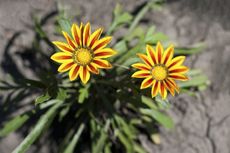 Plant Growth In Compacted Soil: Plants That Will Grow In Hard Clay Soil
As time goes by, you may be completely different from the easy-to-work loamy soil you once had. It may be hard, compacted, clay-like, and slow to drain. Learn about plants for compacted soil should amending not be in your current plans. Click here for more info.
-
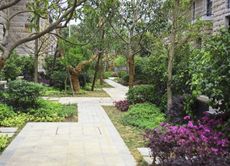 Planting Space Along Sidewalks: Tips For Growing Trees Around Sidewalks
These days, more homeowners are taking advantage of the small areas between the street and sidewalk for additional plantings. While flowers and shrubs are excellent plants for these small sites, not all trees are suitable. Learn more about planting trees near sidewalks here.
-
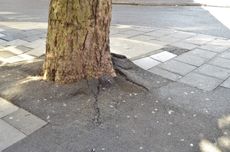 Problems With Concrete Over Tree Roots – What To Do With Tree Roots Covered In Concrete
The concrete vs. nature argument is not a new one. As much as we all may long for a lush, green world, most of us live in a concrete jungle. Trees are often the biggest victims of this battle. Learn about concrete over tree roots in this article.
-
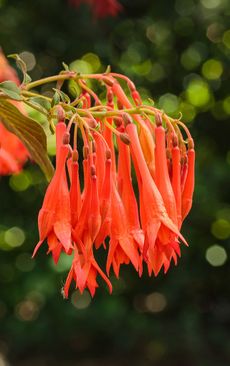 Fuchsia Gartenmeister Information – What Is Gartenmeister Fuchsia Plant
If you are looking for a reliable bloomer to attract hummingbirds, butterflies, and bees to your garden, try a Gartenmeister fuchsia. What is Gartenmeister fuchsia? Click on this article to learn about growing Gartenmeister fuchsias.
-
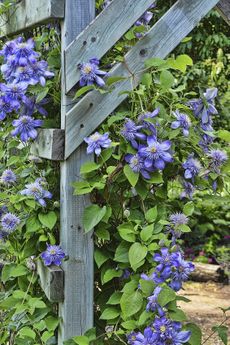 All About Plant Supports: How To Choose The Right One For Your Plant's Needs
One of the most frustrating things as a gardener is when strong winds or heavy rains wreak havoc on our gardens. Many times, after the damage is done, there is no fixing it, and you're left kicking yourself for not supporting the plants earlier. Click here to learn more.
-
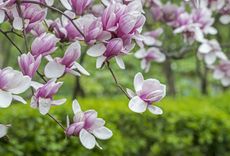 Saucer Magnolia Growing Conditions – Caring For Saucer Magnolias In Gardens
By 1840 the saucer magnolia was coveted by gardeners around the world and sold for a very expensive price for a tree in those days. Today, the saucer magnolia is still one of the most popular trees in the U.S. and Europe. Learn more information on this tree here.
-
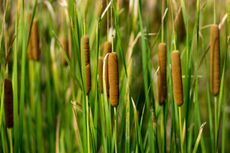 Uses For Cattail Plants: Information On Mulching With Cattails
Cattails are notorious for being aggressive. On the plus side, they are one of the best natural filters for ponds, lakes, streams, etc., taking up valuable nutrients that can be used as soil amendments and mulch. Learn about mulching with cattails here.
-
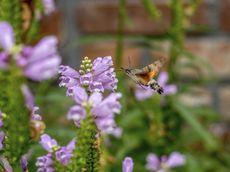 Flowers That Attract Moths: Tips For Attracting Moths To Your Garden
Very little attention is paid to the declining moth populations. However, moth populations have been declining drastically here since the 1950s. Click this article to learn how you can help by attracting moths to your garden and providing them with safe habitats.
-
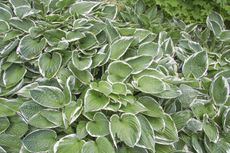 Zone 3 Hosta Plants: Learn About Planting Hosta In Cold Climates
Hostas are one of the most popular shade garden plants because of their easy maintenance. With hundreds of varieties available, most for zones 4-9, you may wonder if it's possible to find one for cooler regions. This article will help with growing hostas in zone 3.
-
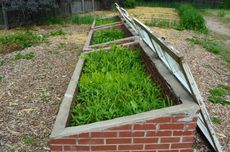 Fall Planting In Zone 5: Learn About Zone 5 Fall Garden Planting
In northern climates like zone 5, we create our checklist of all the lawn and garden chores we have to complete before winter sets in. No doubt there is plenty to do in the garden in autumn, but you should add one more chore to the list: fall planting. Learn more here.
-
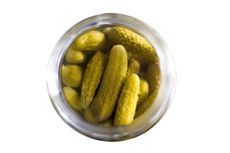 Can I Compost Pickles: Information On How To Compost Pickles
While it is true that any edible kitchen scraps can be added to the compost pile, there are also logical reasons why some things shouldn't be thrown on the pile in large amounts, like pickles. Continue reading to learn about composting pickles.
-
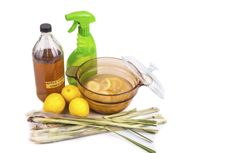 Eco-Friendly Insect Spray: Using Natural Pest Control Sprays In The Garden
Eco-friendly practices can sometimes leave ourselves, our loved ones, or our gardens vulnerable to harmful pests. Click this article to learn about using and making effective environmentally friendly bug sprays for people and plants.
-
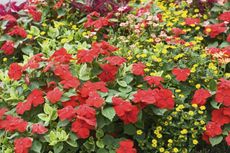 Impatiens Plant Companions – What To Plant With Impatiens In The Garden
Impatiens attract beneficial insects. As companion plants, the dense foliage of impatiens can keep the soil moist and cool for its companions. Learn more about what to grow alongside impatiens plants using the information from this article.


