9 Medium Light Plants That Thrive Indoors With Indirect Sun
Medium light plants are the Goldilocks of houseplants. They want sun but not too much and not too little. Here are 9 plants that will thrive in your somewhat sunny space.

Medium light plants are the perfect in between plants. They like light but they don't need direct sunlight, which is often hard to come by. They do best near a west or southeast window. Keep reading to find out which medium light indoor plants you can grow in your home.
Best Medium Light Houseplants
Examples of medium light loving plants are as follows:
1. Begonia: The begonia is a colorful plant. It has varied types of foliage and showy flowers, depending on the variety. The ones with the large flowers (tuberous or Rieger begonias) are disposable. Longer-lasting flowers include the angel wing (has spotted leaves and little flowers), Rex (has variegated foliage), and B. schmidtiana (dark green crinkled leaves). Begonias like average temperatures and evenly moist soil. They require light fertilization, more regularly during growing season. One thing about begonias is that if you grow bedding begonias outdoors during the summer, you can pot them and bring them in for the winter. Just keep them by a sunny window.

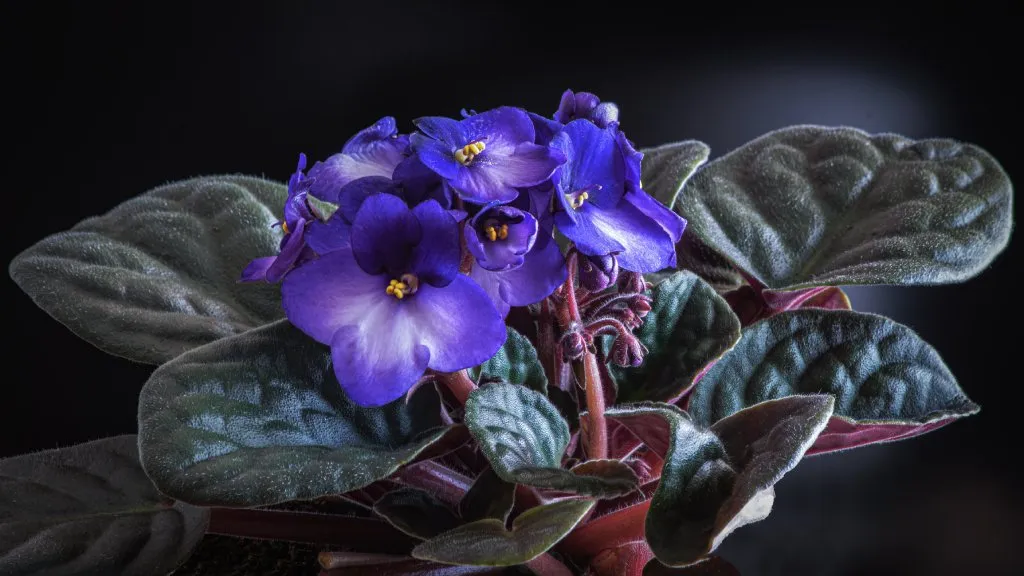
2. African violet: The African violet (Saintpaulia) is your classic indoor plant. It blooms like crazy for some people, and never for others. This is a good plant to experiment with. It has fuzzy leaves that form a rosette and the flowers come in a variety of pink and purple shades. It likes average to warm temperatures along with medium to high humidity. The soil should be kept evenly moist, but you should not get water on the leaves. Fertilize plants with diluted fertilizer solution each time you water.
3. Bird's nest fern: Bird's nest fern (Asplenium nidus) has apple green fronds that can reach 3 feet (91 cm.) long. This is a great plant for the bathroom. It likes high humidity and average temperatures. The soil should be kept evenly moist. This plant grows somewhat slowly.
4. Boston fern: The Boston fern (Nephrolepis bostoniensis) is a popular houseplant. It's a tropical looking plant that's full and lush when it's kept nice. The Dallas fern (N. exaltata Dallasi) is shorter and dense. Fluffy Ruffles has frilly fronds. You need to provide average temperatures and evenly moist soil for these to flourish.

5. Croton: The croton (Codiaeum variegatum) is a nice plant with orange, yellow, or red ribs on the leaves that make it look like it was dipped in paint. It likes medium to warm temperatures and high humidity.
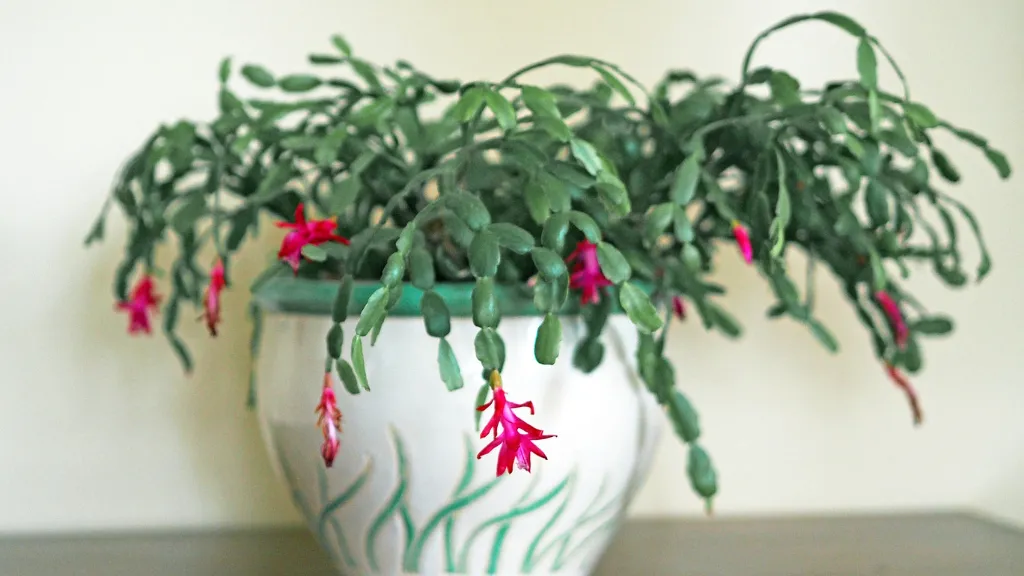
6. Christmas cactus: The Christmas cactus (Schlumbergera) has a name that comes from the bloom. The flowers are pink and red with bent back petals. It is often confused with the Thanksgiving cactus or Easter cactus, but these are three different types of holiday cacti. They like average to warm temperatures, but you should let the soil dry out between waterings. They take less water during the winter.
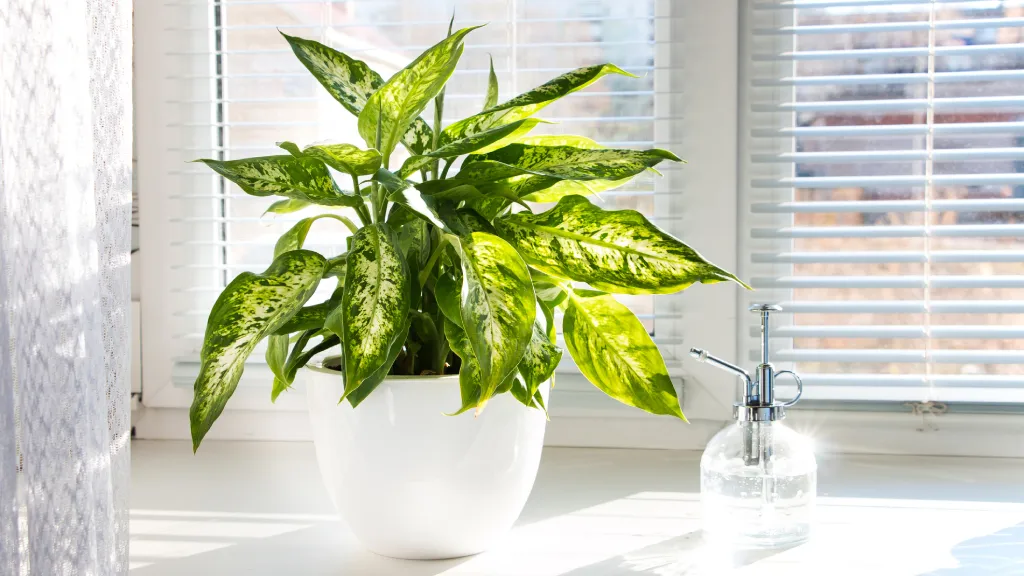
7. Dumb cane: The dumb cane (Dieffenbachia) is another easy-going plant for medium light. It has white and green variegated leaves and can grow to be 3 feet (91 cm.) tall. They like average temperatures and medium to high humidity. The soil should dry out between waterings.
8. Moth orchid: The moth orchid (Phalaenopsis) is the easiest orchid to raise. That really doesn't say much though, because everyone knows orchids are difficult plants. There are a lot of flower shades and one stem that has blooms that can last 18 months. This plant likes warm days and cool nights. You should never overwater the plant, and remember to fertilize it once a month all year with orchid fertilizer.

9. Moon Valley pilea: This member of the Pilea genus, also known as aluminum plants, has dark veined leaves and looks like it's quilted. It grows pretty fast. It likes cool to warm temperatures and high humidity. Allow soil to dry between waterings and pinch it back to keep it bushy.
