Transplanting Asparagus Plants: Tips For How To Transplant Asparagus

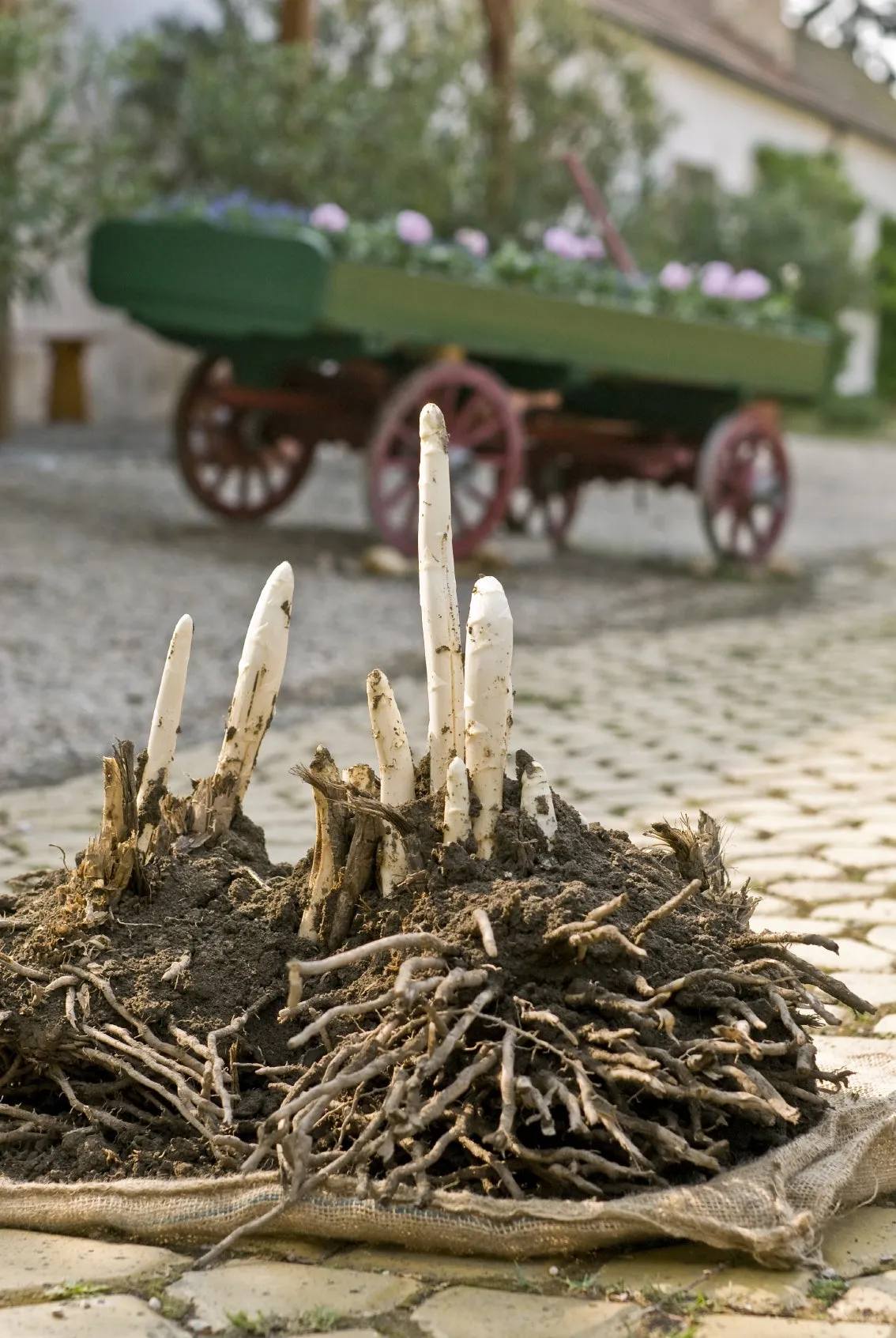
Asparagus is a popular perennial vegetable grown in many home gardens. Sometimes home gardeners wish to take on the task of transplanting asparagus plants. While planting asparagus isn't that difficult, moving asparagus can be quite tricky if you don't know what you're doing. This task isn't recommended unless you have no other choice but to take on moving asparagus. Nonetheless, transplanting asparagus plants is possible.
When to Transplant Asparagus
While asparagus can be transplanted any time during dormancy, early spring is the most suitable, just before plants have begun waking up. This usually makes it easier when trying to dig through the tentacle-like roots. It's this complex root system that makes asparagus so difficult to transplant, as their entangled roots are not easily removed.
How to Transplant Asparagus
It's usually easier to use a spade fork to locate and divide tangled asparagus roots. Once divided, gently lift out the crown and lightly trim the roots. When planting asparagus, make a deep and wide enough trench to accommodate its extensive root system. Add some compost in the bottom of the trench and mound up some of the soil. Place the asparagus crown on top of the mounded soil, allowing the roots to spill over the sides. Make sure the pointed part of the asparagus plant is facing up and ensure the roots are adequately spread. Pack the soil down around it and water thoroughly. For best results, asparagus plants should be located in well-drained, sandy soil in areas with full sun. Transplanting or moving asparagus is difficult but not impossible. With careful planning and familiarity with how and when to transplant asparagus, this endeavor should at least be a successful one.
Sign up for the Gardening Know How newsletter today and receive a free copy of our e-book "How to Grow Delicious Tomatoes".

Nikki Tilley has been gardening for nearly three decades. The former Senior Editor and Archivist of Gardening Know How, Nikki has also authored six gardening books.