


Latest articles by Mary H. Dyer

-
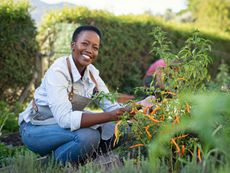 How To Start Your Own Victory Garden
Victory gardens today are still important in countless ways. Click to learn about victory garden design and what to plant.
-
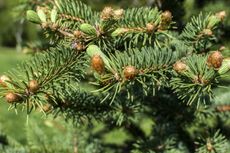 White Fir Facts: What Is A Concolor Fir Tree
Concolor white fir is a stately evergreen tree with a symmetrical shape, long, soft needles and an attractive, silvery blue-green color. Concolor white fir is often planted as a striking focal point and is especially appreciated for its winter color. Learn more about it in this article.
-
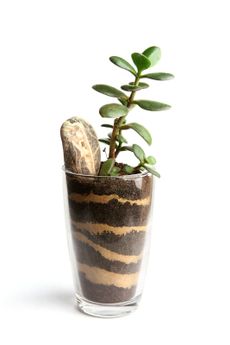 What Is Horticultural Sand: How To Use Sand For Plants
Horticultural sand for plants serves one basic purpose, it improves soil drainage. This is critical for healthy plant growth. For information about and to learn when to use horticultural sand, click on the following article.
-
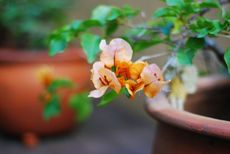 Potted Bougainvillea Plants: Tips For Growing Bougainvillea In Containers
Bougainvillea is a hardy tropical vine that grows in areas where winter temperatures remain warm. If you don't have growing space or live in a suitable climate, you can plant bougainvillea in a pot. This article will help.
-
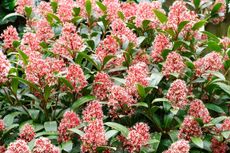 Skimmia Plant Care: How To Grow Japanese Skimmia Shrubs
Japanese Skimmia is a shade-loving evergreen shrub that adds color to the garden nearly all year round. Skimmia is at its best in semi-shady, woodland gardens. Read this article to learn more about this interesting plant.
-
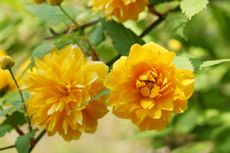 Kerria Japanese Rose: Tips On Growing A Japanese Kerria
In spite of its graceful appearance, Kerria Japanese rose is as tough as nails, growing in USDA plant hardiness zones 4 through 9 and is rarely bothered by pests, even tends to be deer resistant. Click here for tips on growing a Japanese Kerria in your own garden.
-
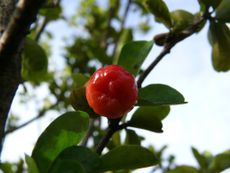 Barbados Cherry Information – What Are Barbados Cherries
Barbados cherry is native to the West Indies. It is suitable for growing in USDA plant hardiness zones 9b through 11. Click this article for more Barbados cherry information, and learn how to grow Barbados cherry in your garden.
-
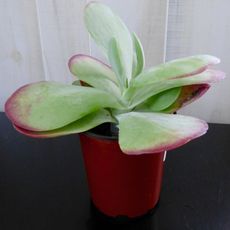 Paddle Plant Propagation – How To Grow A Flapjack Paddle Plant
Also known as flapjack paddle plant, this kalanchoe plant is a succulent with thick, paddle-shaped leaves that frequently take on a reddish or deep pink tint during the winter.
-
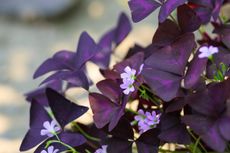 Caring For Oxalis Plants Outside: How To Grow Oxalis In The Garden
Oxalis, also known as shamrock or sorrel, is a popular indoor plant around the St. Patrick's Day holiday. This diminutive little plant is also suitable for growing outdoors with minimal attention. Learn about growing oxalis outdoors in this article.
-
 Ralph Shay Crabapple Care: Growing A Ralph Shay Crabapple Tree
Ralph Shay crabapple trees are mid-sized trees with dark green leaves and an attractive rounded shape. These crabapples are on the large side and are suitable for growing in USDA plant hardiness zones 4 through 8. Click this article to learn more about them.
-
Ruffled Yellow Tomato Info – What Is A Yellow Ruffled Tomato
As the name suggests, Yellow Ruffled tomato is a golden-yellow tomato with pronounced pleats, or ruffles. Growing Yellow Ruffled tomatoes is fairly straightforward as long as you can provide the plant?s basic needs as far as soil, water and sunlight. Learn more here.
-
Tropical Sod Webworms In Lawns: Controlling Tropical Sod Webworm Invasions
Tropical sod webworms in lawns do extensive damage in warm, tropical or sub-tropical climates. They usually don?t destroy turf unless infestations are severe, but even minor infestations can cause problems for lawns. Learn more in this article.
-
What Is Barley Foot Rot: Treating Barley Foot Rot Disease
What is barley foot rot? Often known as eyespot, foot rot on barley is a fungal disease that affects barley and wheat in grain-growing regions around the world, especially in high rainfall areas. Learn more about its treatment in this article.
-
Snowbird Pea Info: What Are Snowbird Peas
A type of sweet, tender snow pea, Snowbird peas aren’t shelled like traditional garden peas. Instead, the crispy pod and small, sweet peas inside are eaten whole. Click here to learn about growing snowbird peas in the garden.
-
Gage ‘Count Althann’s’ – Learn About Growing Count Althann’s Gage Trees
Introduced to England from the Czech Republic in the 1860s, Count Althann’s trees are upright, compact trees with large leaves. The hardy trees tolerate spring frost and are suitable for growing in USDA plant hardiness zones 5 through 9. Click here for more information.
-
Pecan Articularia Leaf Mold Treatment: Controlling Leaf Mold In Pecan Trees
Although articularia leaf mold of pecans is a relatively minor problem, it can still be a major thorn in the side of home gardeners. Fortunately, leaf mold in pecan trees is easy to control. Learn more about this issue and how to manage it here.
-
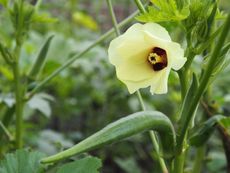 Fusarium Wilt In Okra: Treating Okra Fusarium Wilt Disease In Gardens
Okra fusarium wilt is a likely culprit if you've noticed wilting okra plants, especially if the plants perk up when temperatures drop in evening. Your plants may not die, but the disease delays growth and decreases yields when harvest time rolls around. Learn more here.
-
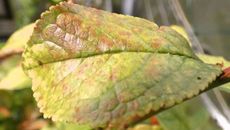 Control Of Plum Rust: How To Treat Rust On Plum Trees
Plum rust fungus is a problem for plum growers, often showing up every year from spring through autumn. Rust on plum trees generally isn’t deadly, but it can weaken the tree and affect fruit quality. For information on the control of plum rust, click this article.


