
-
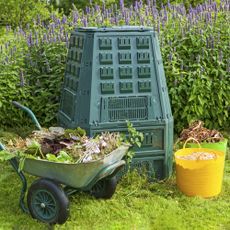 How To Compost At Home: The Ultimate Step-By-Step Guide
Composting is an affordable, sustainable solution for creating the best possible soil improver. Discover your ideal method, steps for success, and how to get the most out of your homemade black gold.
-
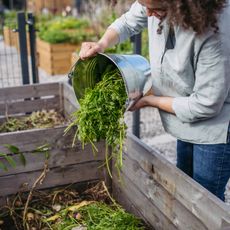 How To Start A Compost Bin Or Pile In Your Backyard – Everything You Need To Know
Composting is great for your garden and easy to learn. Start a compost pile or bin today with our expert step-by-step guide.
-
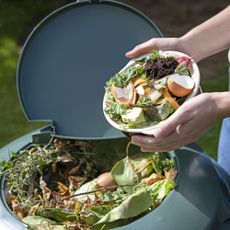 8 Ways To Speed Up Composting: Easy Solutions For An Organic Garden
Homemade compost is a mainstay of organic gardening, but it can take a year or more to develop. Learn how to accelerate composting, without sacrificing quality.
-
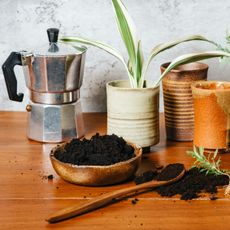 Give Compost A Pick Me Up: How To Use Coffee Grounds On Plants In The Garden
Coffee is not just a mood booster for people – it can also give your garden a helping hand if applied correctly. We show you how to add coffee grounds on plants so they flourish
-
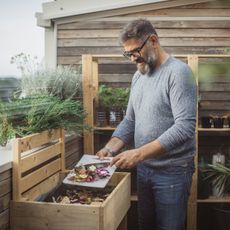 Urban Composting Guide: How To Compost In The Middle Of The City
Urban composting does not have to be daunting. You can compost in the city, and maybe even try some urban worm composting!
-
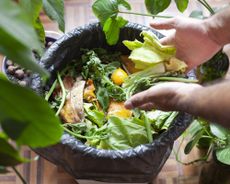 12 Composting Mistakes That Will Ruin Your Stash – And How To Fix Them
Making good compost is a real art. It requires a careful materials balance, regular intervention, and a lot of patience. Discover the common pitfalls to avoid – and what to do if it all goes wrong.
-
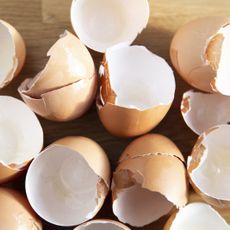 What To Do With Eggshells Before Composting Them
 -
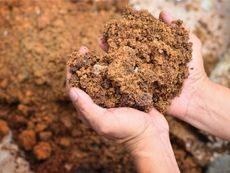 Is Mushroom Compost Good For All Plants?
Mushroom compost is great for some plants, but some dislike it. Learn which plants would rather not get a dose of mushroom compost.
-
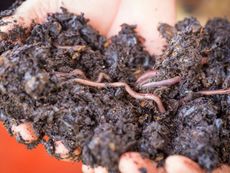 Vermicompost Worm Amount: How Many Composting Worms Do I Need
Vermicomposting is quite simple, still many gardeners wonder, ‘How many composting worms do I need?” This article can help with that.
-
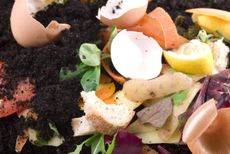 Composting Fruit And Vegetable Waste – Should You Cut Up Compost Scraps
Should you cut up compost scraps? Shredding scraps for composting is a common practice, but you may have wondered if this practice is necessary or even effective. Click this article to find out more about composting fruit and vegetable waste.
-
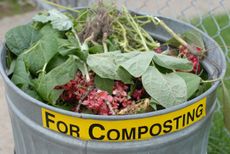 Learn About Fast Ways To Compost: Tips On How To Make Compost Faster
Making kitchen scraps and yard waste into compost faster can be done with a few tips and some good practices. Let's learn how to make compost faster and have a good cycle of consistent plant material with the information found in this article.
-
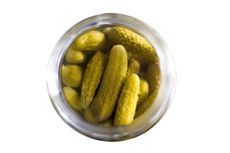 Can I Compost Pickles: Information On How To Compost Pickles
While it is true that any edible kitchen scraps can be added to the compost pile, there are also logical reasons why some things shouldn't be thrown on the pile in large amounts, like pickles. Continue reading to learn about composting pickles.
-
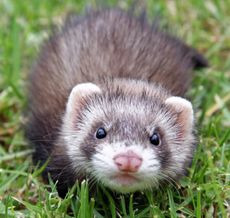 Ferret Poop In Compost: Tips On Using Ferret Manure On Plants
If you have pets, you have poop, and if you have a garden, it's tempting to use that poop for a good cause. But depending on the pet, it may not be as good as you think. Learn more about composting ferret manure as fertilizer in this article.
-
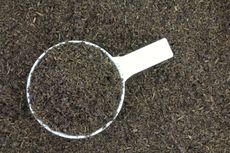 Worm Casting Tea Recipe: Learn How To Make A Worm Casting Tea
Worm casting tea is what you get when you steep some of your castings in water. The result is a very useful all-natural liquid fertilizer that can be diluted and used to water plants. Learn more about how to make worm casting tea in this article.
-
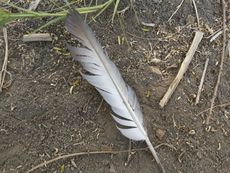 Can You Compost Bird Feathers: How To Compost Feathers Safely
Given enough time, things you may consider "garbage" can be turned into pure gold for your garden. We've all heard of composting kitchen scraps and manure, but one compostable you may not think of right away is bird feathers. Learn more here.
-
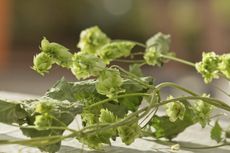 Tips On Composting Spent Hops – Adding Used Hops In Compost
Can you compost hops plants? Composting spent hops, which are nitrogen-rich and very healthy for the soil, really isn't all that different from composting any other green material. Learn about composting hops plants in this article.
-
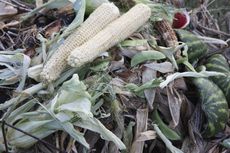 Composting Corn Cobs And Husks – Learn How To Compost Corn Plants
Composting corn cobs and husks is a sustainable process of turning garbage-bound kitchen leftovers into garden-rich nutrients for your plants. Learn more about how to compost these items for maximum success using the information found in this article.


