






What Lemon Trees Need in July – 5 Essential Tasks to Enjoy the Juiciest Sun-Ripened Lemons
Lemons are ripening now so it's vital to keep your tree happy and healthy for a rich reward of plump, flavorful fruit.


The right lemon tree care in July will have a big impact on the flavor and juiciness of your harvest. These long, hot summer days encourage your lemon tree to produce rapid fruit growth and lush foliage, but they also stress the plant. Too little water, excessive heat, and inadequate nutrients are all risks at this time of year and can affect the quality of your citrus harvest.
Lemon trees are actively investing energy in developing fruit in July. Without appropriate and targeted midsummer lemon tree care, your fruits might stay small, have less flavor, or even drop early. With the right nurturing, though, your tree will remain lush, develop large, flavorful fruits, and even put out new green growth.
The good news is that looking after lemon trees in July doesn’t have to be dramatic or complicated. A few simple and easy tasks will keep your tree healthy through the hottest and potentially most stressful time of the year. These chores also ensure you will enjoy the juiciest harvest.
1. Water Deeply and Consistently

July heat increases water needs for most plants, including lemon trees. There's no telling how long the current heatwave will last for, which means you might even experience drought conditions during July, making watering lemon trees well a critical step. Even established trees can be stressed by dry summer conditions, and too little water can lead to early fruit drop. Consistency is also important as letting the soil totally dry out before watering can cause split skin on fruits.
The best way to water your lemon tree in July is with regular, deep soaking. Instead of watering lightly daily, water deeply every few days or once a week, depending on weather conditions and rainfall. The exception is for potted plants, which often need daily, or even twice daily, watering, as the soil dries out very quickly. Young trees, both in the ground and in containers, also need extra water as their root systems aren't yet big enough to source enough moisture.
To give a lemon tree a good soaking, use a hose at the base of the tree and let it run for up to 20 minutes. For a tree in a container, water until it begins running out of the drainage hole at the planter base. If you’re ever unsure about whether or not this essential part of July lemon tree care is necessary, stick your finger in the soil: if it’s dry up to your second knuckle, it’s time to water.


2. Fertilize to Support Fruit Development

July is an active growing period, and your trees are growing new foliage as well as developing fruits. All this growth requires a steady supply of nutrients, making fertilizing lemon trees another essential July gardening job. Nitrogen is a must for new leaves, while potassium and micronutrients support overall health and large, tasty fruits. Skipping this task can lead to yellowing leaves, stunted fruit, and poor-quality fruit.
You can make this task easy by looking for a citrus-specific fertilizer such as this from Amazon. This takes the guesswork out of choosing an appropriate nutrient balance. Overfeeding can be as bad as underfeeding, so follow the product instructions and don’t give more than is recommended, especially if you're growing your lemon tree in a container. Always water thoroughly after applying a fertilizer.
If your weather conditions are severely hot and dry, delay fertilizing, as feeding a tree during these conditions can stress it even more. Focus on water only during these times and feed once the conditions normalize. If you feel your lemon tree needs a boost, then a slow-release granular fertilizer or, even gentler, refreshing the soil nutrients with a mulch, are better options for a heat-stressed tree.


3. Prune Lightly But Strategically

Midsummer is not a time for heavy pruning, but light pruning of suckers and water sprouts is essential for directing the tree’s energy into fruit production. Suckers are new shoots that grow straight up from the ground near the trunk, while water sprouts are those that grow upwards from branches. Both take energy away from the fruits and also reduce airflow around leaves and branches, so add your lemon tree to the list of plants to prune in July.
This task is easy with the right tool. Use sharp, clean pruning shears such as these from Amazon to snip each of these little sprouts at its base. Check for new growth every couple of weeks and prune off whatever you find. You can also remove any dead or damaged growth in July. Generally, avoid pruning heavily in the canopy, as the fruits need shade from the foliage.

4. Watch Out For Summer Pests

Hot summer weather encourages many pests to accumulate, especially in trees stressed by high temperatures or dry conditions. Catching pest infestations early makes them much easier to manage, so when it comes to what to do with lemon trees in July, checking regularly is a must. Inspect new leaves, the undersides of leaves, fruits, stems, and joints in branches. Common lemon tree pests include aphids, scale, spider mites, and citrus leaf miners.
You'll often see the signs of pests before you see the pesky critters themselves. Typical warning signs include:
- A sticky residue called honeydew, which can attract ants
- Fine webbing
- Tiny bumps on stems
- Black sooty mold
- Curled leaves with silvery trails

If you catch them early enough, pests can often be managed with a strong blast of water from the hose to knock them off. On a smaller tree, scale insects can simply be wiped off. If necessary, move to neem oil such as this from Amazon, or insecticidal soap like this from Amazon, or remove heavily infested branches and leaves. If you continue to have issues, contact your local extension office for guidance.
5. Support Heavy Fruit and Harvest When Ready

Exactly when your lemons ripen and become ready to harvest depends on your growing zone and seasonal weather. In warmer areas, your fruits might be ready to pick in July. In other areas, the fruits are probably getting heavy and might need some support to prevent broken branches.
If some branches look particularly heavy or are bending, use a sturdy post fixed in the ground or a soft tie attached to a stronger branch to provide support. You can also remove any damaged or split fruit.
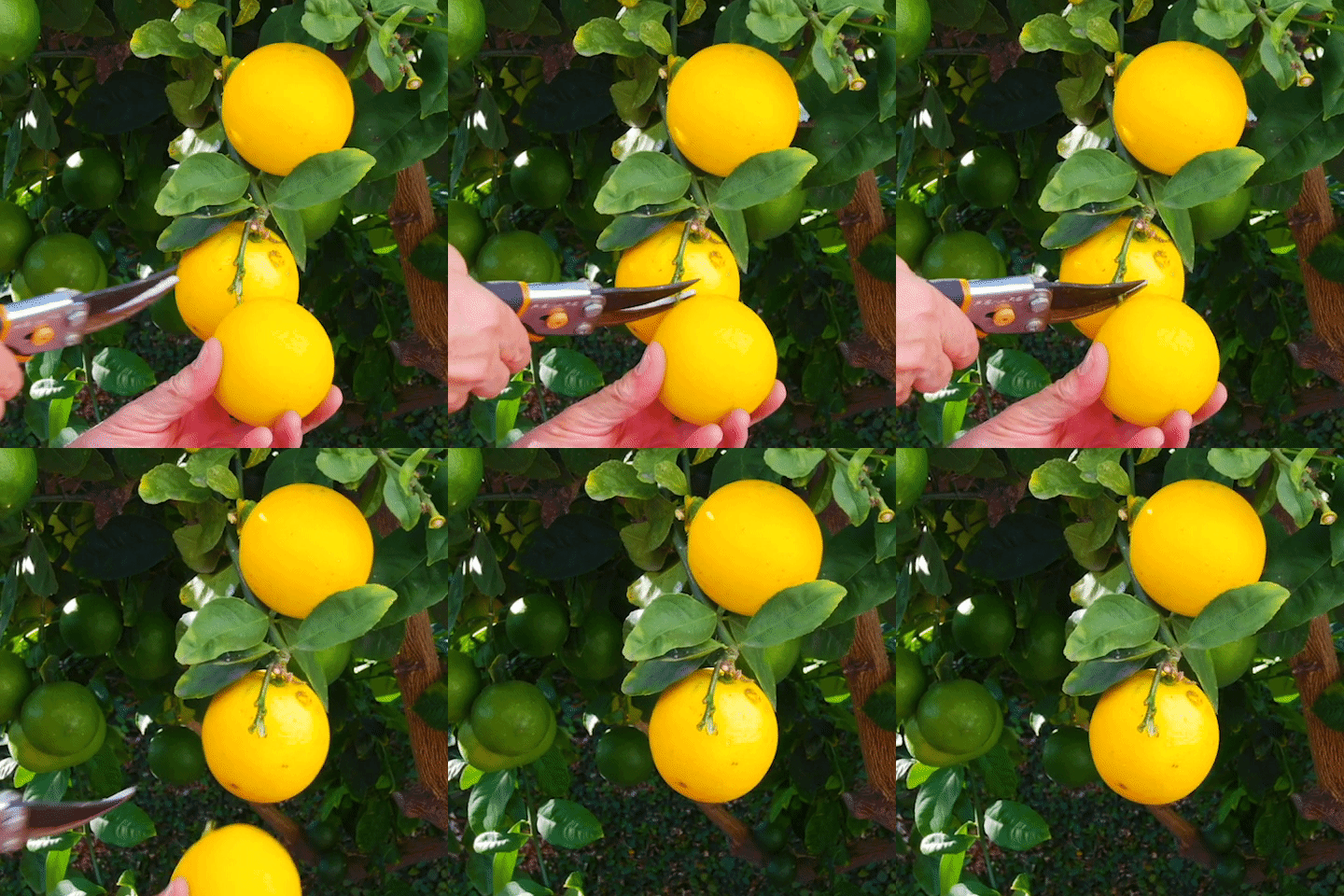
Determine readiness for harvesting lemons by guidelines for your growing area, past experience, and current signs. Ripe lemons have full color, are slightly soft to the touch, and feel heavy for their size. Harvest lemons by snipping them off rather than pulling to avoid damaging the branch.
If you're thinking of buying another lemon tree, now's a really smart time to invest. Immature trees that won't bear fruit for another year or two are often on sale at this time of the year, as nurseries don't want to store them over the winter. The best deals we found are at Fast Growing Trees:

 Sweet & savory flavor

Lemon tree care in July is all about helping it cope with the stresses of heat and drought while also supporting developing fruit. Watering deeply, feeding appropriately, trimming lightly, supporting fruit and controlling pests will all help keep your tree healthy, productive, and provide you with tasty, fully developed fruit. These steps aren’t difficult and don’t take a lot of time, but they generate big rewards.

