Bird Of Paradise Plant Care: Indoor And Outdoor Birds Of Paradise

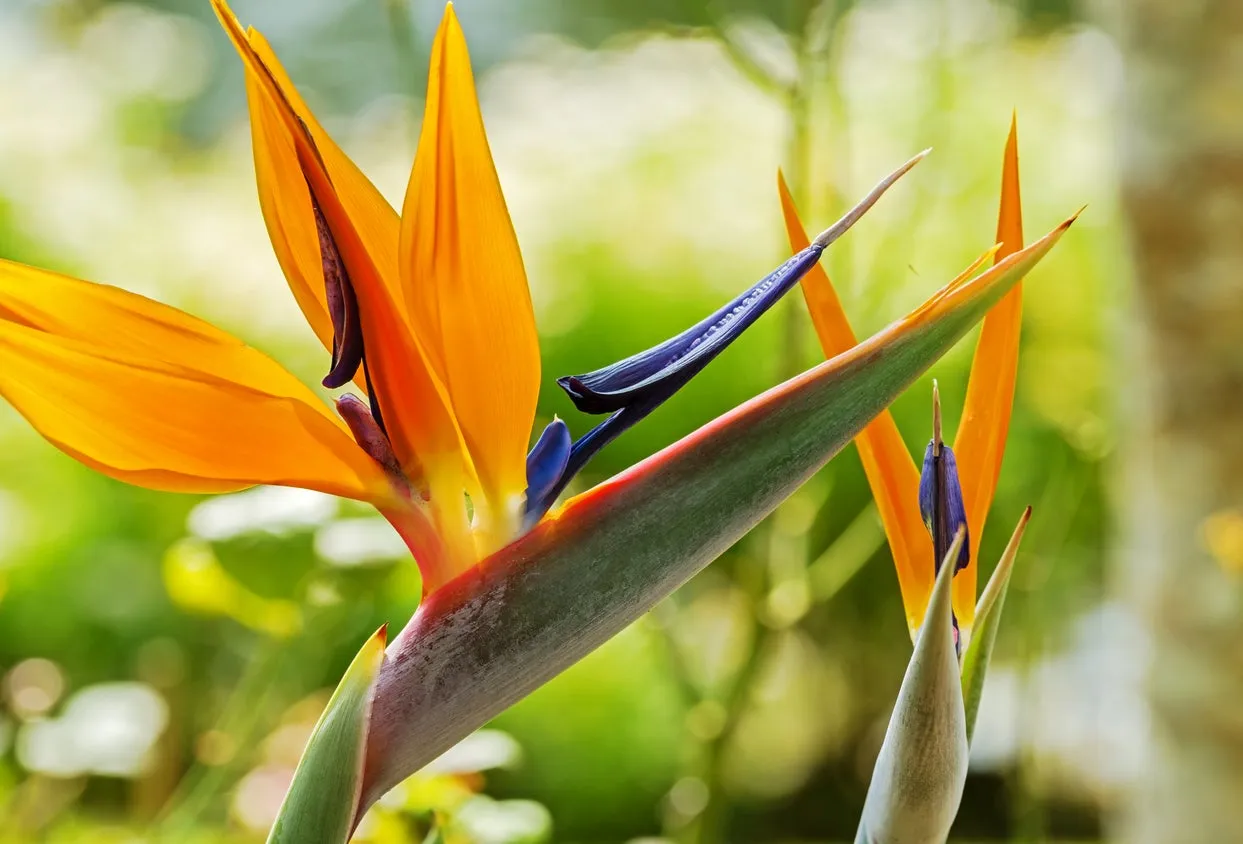
One of the most spectacular and impactful flowering plants for tropical to semi-tropical zones is Strelitzia bird of paradise. Also known as crane flowers, the plants are prized for their unique blooms, which often resemble the bird itself. Where conditions are ideal, gardeners can expect these plants to reach impressive heights and add dramatic appeal to green spaces.
The growing conditions for bird of paradise, particularly the temperature range, are very specific. However, northern gardeners don’t despair. The plants can easily be grown in containers and kept as houseplants. If you want bird of paradise flowers, continue reading for tips on growing these unique beauties.
Quick Facts about Bird of Paradise
- Botanical name - Strelitzia reginae
- Height - 5 feet (1.5 m) in containers, up to 30 feet (9 m) outdoors
- Spread - 4 feet (1.2 m)
- Sun exposure - Full sun
- Soil requirements - Rich loam
- Hardiness zones - USDA Zone 10-12
- When to plant - Spring, early summer
Growing Conditions for Bird of Paradise
Strelitzia reginae, also known as crane flower, is native to South Africa and derives its name from the unusual flower stalks, which resemble brightly colored birds in flight.
Temperature
Bird of paradise plants do not do well in the cold, though they are able to tolerate brief periods of temperatures as low as 24 F (-4.5 C). They grow best in gardens where the weather is consistently warm, in USDA zones 10-12.
During the growing season, optimal temperatures are 65 to 70 F (18-21 C) during the day and 50 F (10 C) at night. The plants can be heavily damaged when temperatures dip below 24 F (-4 C).
For this reason, bird of paradise is commonly used as a landscape plant throughout many frost-free regions of the United States.
Light
Bird of paradise needs plenty of sunlight to produce its characteristic blooms. It blooms most profusely when in full sun, but indoor plants should be slightly away from the direct sunlight of southern windows to avoid burning. Also, plants grown outdoors in desert climates should be planted in a partial shade situation.
Sign up for the Gardening Know How newsletter today and receive a free copy of our e-book "How to Grow Delicious Tomatoes".
Soil
Bird of paradise plants prefer rich soil, and growers should make certain that soils are weed-free, and have been amended well before planting. Good drainage will be essential, as waterlogged or otherwise poor garden beds are often the cause of yellowing or complete loss of plants. Those growing bird of paradise flowers in containers will need to prepare pots with a good quality potting mix.
Water
Bird of paradise likes moist soil, but will not tolerate being waterlogged. Water frequently, but allow the soil to dry completely between each watering. Though supplemental irrigation is not usually required, it may be necessary during periods of extreme heat or prolonged drought. If growing in a container, never allow water to stand in the saucer under the pot.
Fertilizer
To keep the plants looking their best, bird of paradise flowers may benefit from the routine application of a balanced fertilizer throughout periods of active growth.
Problems
Gardeners seldom report issues with disease or insects when growing bird of paradise flowers. Still, growers should remain vigilant of any sign that the plant may be stressed, and take special note of any sudden change in the plant’s appearance.
Bird of paradise pests like mealybugs, scale, and spider mites can sometimes pose a problem. Use a horticultural oil spray or systemic insecticide. Wipe or hose off the leaves to remove dust.
The most common bird of paradise diseases are fungus based. Water under the leaves or when the foliage can dry before nightfall. Avoid overwatering, which can cause several root rots.
Note: Dogs also enjoy nibbling on these plants, but the seeds are toxic, causing abdominal pain and vomiting, so beware of this if you have pets.
Propagation
Bird of paradise can be propagated from seed. However, blooming will not begin for at least five years. Divide in-ground plants every five years.
Pruning
Remove any broken or dead leaves as they occur. Remove spent flowers as they appear.
How to Plant a Bird of Paradise
Though it is possible to grow bird of paradise from seed, it will require both patience and skill. It is for this reason that most are purchased at local garden centers or nurseries. To transplant bird of paradise flower, its entire root ball should be removed from its pot. Each planting hole should be approximately twice as wide as the plant’s root mass. Growers may find success by leaving a small portion of roots exposed near the crown of the plant. This practice is believed to help promote flowering.
After garden soil has been carefully backfilled into the hole, new plantings will appreciate a long soaking. Bird of paradise plants in containers should also be watered well, making certain to check moisture levels frequently.
Several growing seasons may be required before bird of paradise plants finally begin to bloom. Fortunately, all parts of the plants are considered to be quite ornamental. This includes their massive palm-like foliage, which closely resembles that of banana trees. Established plants will grow to form large clumps. These clumps will spread within the garden, producing more plants. Though the plants are able to spread, they are not usually considered to be invasive, and can be controlled with relative ease.
Bird of Paradise in Containers
If you live in USDA zone 9 or colder, you will want to grow your bird of paradise in a container, so you can bring it inside for the winter months.
Plant in a good potting soil that drains well. Water until the soil is saturated and then not again until it is dry to the touch. Reduce watering by half in winter.
Bird of paradise flowers need a lot of food to develop. Feed the plant in early spring every two weeks and once per month in summer with a soluble plant food.
Do not plant bird of paradise too deeply in the pot. It is said that some root exposure promotes flowers. Also, a pot bound plant will produce more blooms. When it is time to repot, about every three years in spring, only increase the pot size if the roots are extremely cramped.
Put container plants outside in summer but bring them indoors when fall arrives.
With a little care, even cool region gardeners can enjoy the eye-popping blooms and tropical foliage of this plant.

Bonnie Grant is a professional landscaper with a Certification in Urban Gardening. She has been gardening and writing for 15 years. A former professional chef, she has a passion for edible landscaping.
- Tonya BarnettWriter