Common Houseplant Diseases

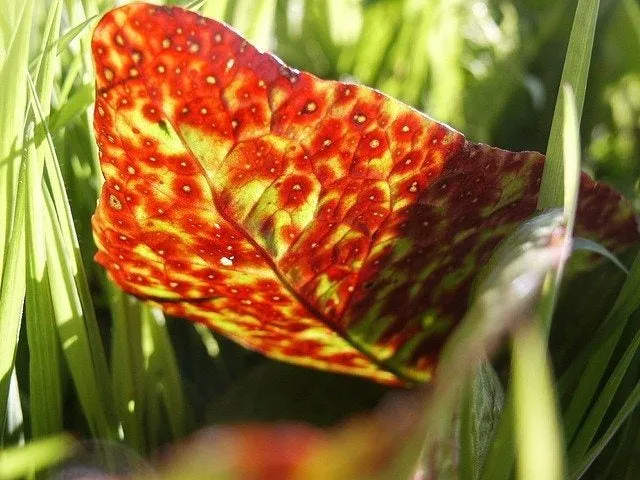
Plant diseases are harder to spot on houseplants than pest attacks. Usually, when you do spot a problem, fungi are the major cause. Let's take a look at some of the most common houseplant diseases so you can deal with them promptly.
Common Diseases of Houseplants
Here are the most common houseplant diseases that you may come across when gardening indoors.
Gray Mold
Gray mold, or botrytis, is a common disease in greenhouses. It's not that common inside homes, however. It starts on dead tissue like dead leaves or flowers. Once it starts, it will spread to the rest of the healthy plant. The affected parts of the plant will quickly be covered by fluffy gray mold growth, which gives off lots of spores when you handle the plant. Gray mold is encouraged by damp, cool conditions. It tends to be more frequent in the fall months. Don't water your plants late in the day if they are going to be subjected to fall night temperatures. Keep some ventilation going to keep a buoyant atmosphere. Make sure to remove all dead and dying parts of the plant when you see them to deter the mold from growing.

Powdery Mildew
Both downy and powdery mildew affect plants. On indoor plants, you'll most likely come across powdery mildew. It starts like a powdery white patch that grows larger until it covers the entire leaf surface. The plant foliage often turns yellow and falls, and it becomes quite obvious that the plant isn't thriving. Hot, dry conditions favor this disease. Fungicides, like neem oil, can often help.
Rust
One disease that is difficult to control is rust. Pelargoniums, carnations, and chrysanthemums are most commonly affected by rust. Usually, a pale circular spot on the top of the leaf is the first symptom. On the underside, you'll find a rusty ring of brown spores.
Plant Viruses
There are a lot of symptoms you can find on the plants affected by viruses. These can include mottling or mosaic patterning of leaves, malformed leaves, misshapen flowers, and bad coloring. You usually cannot control a virus by chemicals. These viruses are mainly spread by aphids, so you'll have to dispose of the plant instead.
