Dill Planting Guide: Tips On How To Grow Dill Weed Plants

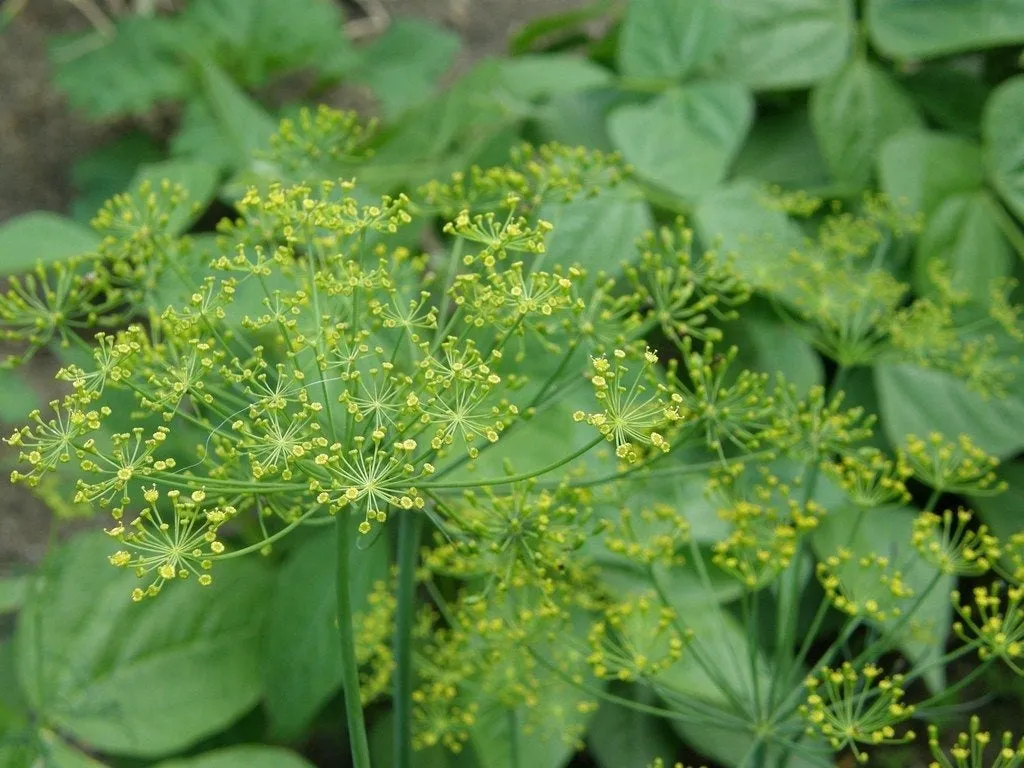
Dill is a popular herb in the kitchen, flavoring everything from pickles to fish. Gourmets know that you can't beat fresh dill for the flavor. The best way to have the very freshest dill possible is by growing dill in your own garden. Let's look at how to grow dill.
Planting Dill Seed
Dill (Anethum graveolens) is an easy-to-grow herb valued for its delicate, feathery foliage and distinctive flavor. Native to the Mediterranean region, dill has long been used to flavor pickles, fish, potatoes, sauces, vegetables, and other dishes. The plant also produces attractive yellow flower heads that eventually develop into seeds, giving gardeners the option of harvesting both leaves and seeds.
Every gardener should try growing dill because it requires little effort and provides a generous harvest. Dill grows quickly from seed, making it a particularly satisfying herb for beginners. The plants can be harvested repeatedly for fresh leaves or allowed to flower and produce seeds for pickling and cooking. Its flowers also attract a variety of beneficial insects to the garden.
Overall, dill is considered an easy herb for anyone starting a vegetable garden. All it needs is plenty of sunlight, well-drained soil, and consistent moisture. It is commonly grown as an annual, although it readily self-seeds and may return in the garden from year to year. One critical tip for success: Because dill develops a long taproot and does not transplant well, direct sowing is generally the best way to grow it.
Quick Dill Facts
Botanical Name |
Anethum graveolens |
Plant Type |
Annual herb |
Height |
18 in.–5 ft. (46 cm–1.5 m), depending on variety |
Spread |
12–18 in. (30–46 cm) |
Light |
Full sun (6–8 hours daily) |
Soil |
Well-drained soil; average to moderately fertile, pH 5.5-7.5
|
Hardiness |
USDA Zones 2-11 (Not in the US? Convert your zone) |
Growing Season |
Spring through fall |
Days to Maturity |
40-60 days for leaves; 70-90 for seeds |
What Is Dill?
Dill is an herbaceous annual in the Apiaceae family, which also includes carrots, parsley, celery, and fennel. The family resemblance is in the slender, hollow stems covered with soft, fern-like foliage. Mature dill plants develop broad clusters of tiny yellow flowers called umbels, followed by small, flat seeds.
Both the foliage and seeds are edible, but they have different uses. Fresh dill leaves, sometimes called dill weed, have a light, grassy flavor and are commonly used with fish, potatoes, vegetables, sauces, and pickles. Dill seeds, on the other hand, have a stronger flavor and are particularly popular for pickling.
Dill is also a useful garden plant because its flowers attract beneficial insects, including ladybugs, parasitic wasps, hoverflies, butterflies, and bees. These insects can help with pollination and natural pest control.
Sign up for the Gardening Know How newsletter today and receive a free copy of our e-book "How to Grow Delicious Tomatoes".
Types of Dill
There are several varieties of dill, and choosing the right type depends largely on how you plan to use the plant and how much growing space you have. Different types of dill range from tall varieties suitable as pickling additions to compact types that grow well in containers.
- Bouquet: One of the most popular varieties, valued for fragrant leaves and seeds used in cooking and pickling.
- Long Island and Mammoth: Tall varieties that can reach about 5 ft. (1.5 m) and are especially useful for producing seeds.
- Fernleaf: A compact variety that grows to about 18 in. (46 cm) and is well suited to containers and ornamental plantings.
- Dukat: A compact variety of 2-3 ft, (61-91 cm) with bright green foliage that is especially useful in salads and containers.
- Superdukat: Similar to Dukat but with a higher concentration of essential oils.
- Delikat: Produces especially dense foliage, making it a good choice for harvesting leaves.
- Vierling: A slower-bolting variety that can provide a longer harvest of fresh leaves.
- Hercules: Another slow-flowering variety, although its leaves are somewhat coarser and are best harvested when young.
Burpee offers a wide range of dill seeds, including the compact Fernleaf variety, an All-America Selections winner that grows to just 18 in. tall.
Planting Dill
Growing dill is straightforward, but choosing the right location and planting at the right time will give plants the best start. Dill grows quickly from seed and generally does not need to be started indoors.
When to Plant Dill
Dill is a warm-season herb that can be grown as an annual in most USDA zones. Sow seeds directly outdoors after the danger of frost has passed and the soil has begun to warm.
Because dill develops a taproot and does not like to have its roots disturbed, sowing directly in the garden or container is preferable to transplanting. Seeds generally emerge within 7–21 days, depending on soil temperature and growing conditions.
For a continuous supply of fresh leaves, sow additional seeds every few weeks through early summer. In areas with a long growing season, a midsummer sowing can provide a second crop after an earlier planting bolts.
Best Soil for Dill
Dill is not especially fussy about soil and can grow in both poor and rich soils. That said, it performs best in well-drained soil with some organic matter. Sandy loam is particularly preferable. Good drainage is especially important because overly wet conditions can contribute to root and fungal problems.
Light Requirements
Choose a location that receives at least 6–8 hours of direct sunlight each day. Dill loves the sun, and insufficient light can result in less vigorous growth and paler foliage.
How to Plant Dill—Step by Step
Planting dill is simple process. You may be able to plant two or more crops of dill per growing season.
- Choose the right location. Select a site that receives at least 6–8 hours of direct sunlight daily.
- Prepare the soil. Loosen the soil and work in a modest amount of compost or other organic matter if needed. Avoid creating an excessively fertile and rich planting bed.
- Sow seeds directly. Scatter or sow dill seeds directly in the garden after the danger of frost has passed. Cover the seeds lightly with soil.
- Water thoroughly. Keep the soil evenly moist while the seeds germinate and seedlings become established.
- Thin seedlings. Once the seedlings emerge, thin them to about 12–15 in. (31–38 cm) apart. Adequate spacing improves air circulation and gives plants room to develop.
- Provide support if needed. Tall varieties can become leggy or flop over. Staking individual plants or growing several plants together can provide additional support.
Dill can also be grown in containers. Choose compact varieties such as Fernleaf or Dukat and use a container with adequate drainage.
Dill Care
Once established, dill is relatively low maintenance. Provide consistent moisture, adequate sunlight, and occasional pruning to keep plants productive.
How Often to Water Dill
Keep newly planted dill seeds and young seedlings consistently moist until they become established. Once established, dill tolerates some dry conditions, but plants produce better foliage when they receive regular moisture.
Avoid keeping the soil constantly wet. Overwatering can contribute to root problems and fungal diseases. Water at the base of the plant when possible to keep the foliage dry and reduce the risk of disease.
Fertilizing
Dill generally doesn’t require heavy fertilization. It can grow well in average soil, and too much fertilizer may actually contribute to problems such as yellowing foliage.
If the soil is poor, your dill will benefit from incorporating compost before planting. Additional feeding is usually unnecessary unless plants show signs of nutrient deficiency.
Mulching
A light layer of organic mulch can help maintain consistent soil moisture and suppress weeds around dill plants. Keep mulch away from the stems to improve air circulation and reduce the chance of stem or root problems.
Support
Tall dill varieties may become top-heavy or flop in windy locations, particularly when the plants are carrying large flower heads. A simple garden support can help keep stems upright and prevent plants from leaning into neighboring crops. For taller dill varieties, use a sturdy bamboo stake such as these 48-in. natural bamboo garden stakes from Ace Hardware to help keep stems upright without the bulk of a trellis.
Pruning
Pruning dill encourages a bushier plant and provides a steady supply of foliage for cooking. Dill can become tall and leggy, particularly as it approaches flowering.
When plants are a couple of months old, use clean garden shears to harvest leaves from the upper portions of the plant. Removing upper growth encourages the plant to produce additional foliage lower on the stem. Pinching out developing flower buds can also delay flowering and extend the harvest of leaves. Use a clean pair of hand pruners, such as the Corona ClassicCUT Pruner from The Home Depot, when trimming back dill.
Pruning is most useful when the goal is to harvest foliage. If you want dill flowers or seeds, allow some plants to flower rather than continually removing the developing buds.
Harvesting Dill
Dill can be harvested throughout the growing season, depending on whether you want leaves or seeds.
For fresh dill weed, harvest the feathery leaves as needed. The flavor is especially good just as the plant begins to flower. Use clean scissors or pruners to remove individual leaves or stems.
If you want dill seeds, stop pruning the plant and allow it to flower. Once the flower heads turn brown and the seeds mature, cut the entire flower head. Place it in a paper bag and shake gently to release the seeds.
Because dill foliage loses quality once the plant begins concentrating its energy on flowering and seed production, gardeners who primarily want fresh leaves should consider succession sowing. Planting new seeds periodically provides young plants for continued leaf harvest.
Drying and Storing Dill
Dill can be dried as leaves, seeds, or entire stems. Fresh dill has a more delicate flavor than dried dill, so dried leaves generally need to be used in greater quantities.
To dry dill weed, harvest the leafy stems or individual leaflets and wash them to remove dirt and insects. Spread the leaves in a single layer on a dehydrator tray or drying rack. A food dehydrator can dry the leaves in less than a day, while air-drying in a warm, dry location can take several days. Turn the leaves regularly so they dry evenly.
Once completely dry, crumble the leaves and store them in a tightly sealed container in a cool, dark location. Properly dried dill weed can keep for about four to six months, although its flavor will gradually diminish. An airtight container such as the Caraway Small Glass Airtight Container from Target can help protect dried dill from moisture and keep the herb fresh longer.
Dill seeds can be dried by cutting mature seed heads and hanging them upside down in a warm, dry location. Loosely cover the bunches with paper bags punched with holes so air can circulate while the bags catch the falling seeds.
Propagating Dill
Dill is most easily propagated from seed. Direct sowing is preferable because dill develops a taproot and does not respond well to transplanting.
Once established, dill can readily reseed itself. If you allow some flower heads to mature and drop their seeds, new dill plants may appear in the garden the following season, if not later that same season. To prevent unwanted self-seeding, remove mature flower heads before the seeds drop.
As described above, harvesting our own dill seed is simple. Hold back some of that dill seed for sowing in the garden the following spring.
Dill Problems
Dill is generally trouble-free. However, there are some pests, diseases, and environmental factors that can cause problems. Knowing what to look for can help you determine whether your plant needs attention or is simply reaching the end of its life cycle.
Pests
Dill pests are largely not a bother, but several insects may feed on the plants. These are the ones to look for:
- Aphids: Aphids are among the most common dill pests. Small infestations may not cause serious damage, but larger populations can weaken plants and cause foliage to stunt and yellow. Aphids also produce honeydew, a sticky substance that can encourage sooty mold. Dill flowers attract ladybugs and parasitic wasps, both of which are natural enemies of aphids and other garden pests. Encouraging these beneficial insects can help keep aphid populations in check.
- Parsley worms: These caterpillars eventually become black swallowtail butterflies. They generally do not occur in numbers large enough to destroy dill plants, so gardeners may choose to leave them in place to support the butterfly life cycle.
- Armyworms: Young armyworm larvae can feed heavily on dill foliage.
- Cutworms: Cutworm larvae may sever young dill stems at soil level. They are most active at night and can be found curled into a C-shape when the soil is disturbed.
Diseases
Dill plant diseases are generally more serious than insect problems. Many are encouraged by wet conditions, poor drainage, infected plant material, or contaminated seed.
- Carrot Motley Dwarf: This disease is transmitted by aphids and causes yellow or reddish discoloration and stunted growth. Because carrots can be involved in the disease cycle, avoid planting dill near areas where carrots have overwintered.
- Cercospora leaf blight: This fungal disease produces dead areas on the foliage that may develop characteristic halos and eventually merge into larger areas of damaged tissue. Use disease-free seed, rotate crops, remove plant debris, and avoid unnecessary overhead watering.
- Damping off: This disease can prevent seeds from germinating or cause young seedlings to develop lesions near the soil line and collapse. Good drainage and avoiding cool, wet soil can help reduce the risk.
- Downy mildew and powdery mildew: These fungal diseases can affect dill foliage, particularly when growing conditions encourage prolonged moisture or poor air circulation.
Good cultural practices are the first line of defense against many dill diseases. Provide adequate spacing, avoid overwatering, keep the garden free of diseased plant debris, and use clean seed.
Yellowing Dill Plants
You may find the leaves on your dill plants turning yellow. Yellowing dill leaves can have several causes, including insufficient sunlight, excessive fertilizer, pests, disease, and just normal aging.
If the growing season is ending and temperatures are dropping, yellowing is usually a normal part of the plant's life cycle. Dill is commonly grown as an annual, and after it flowers and sets seed, the plant naturally begins to decline.
Yellow foliage earlier in the season may indicate a problem. Dill needs 6–8 hours of bright sunlight, so insufficient light can contribute to pale or yellow foliage. Excess fertilizer can also cause problems, while aphids can cause yellowing by feeding on plant sap.
Downy mildew may produce yellow spots on the upper surfaces of leaves, accompanied by white, cottony growth on the undersides. Root-knot nematodes can also cause overall yellowing by damaging the root system.
Growing Dill in Containers
Dill can be grown successfully in containers, particularly compact varieties such as Fernleaf and Dukat. Choose a container with drainage holes and enough depth to accommodate the plant's taproot, such as this Style Selections Indoor/Outdoor Planter from Lowe's, which is nearly 13 in. tall.
Place the container in full sun and use a well-draining potting mix. Keep the soil consistently moist but never waterlogged. Container-grown dill may need more frequent watering than plants grown directly in the garden because the potting mix dries out more quickly.
Tall varieties can also be grown in containers, but they may require staking or another form of support.
Growing Dill Indoors
You can grow dill indoors provided you give it plenty of light. You’ll need a sunny window or supplemental grow light to produce healthy, flavorful foliage.
Choose a compact variety for indoor growing and use a container with good drainage. Because dill develops a long taproot, a deeper container is preferable to a shallow one.
Indoor dill may become tall and leggy if light levels are inadequate. Regular harvesting can help maintain a bushier plant, but even indoor-grown dill will eventually flower and decline as it completes its life cycle.
Companion Planting with Dill
Companion planting with dill is popular because the herb attracts beneficial insects and may help discourage some pests. The small flowers attract hoverflies, parasitic wasps, ladybugs, praying mantis, honeybees, and butterflies, all of which are beneficial insects or important pollinators.
Gardeners also report that dill is discourages pests such as aphids, cabbage loopers, and spider mites. Companion planting recommendations are based largely on gardening experience rather than extensive scientific testing, so your results may vary.
Good dill companions include:
- Asparagus
- Cucumbers: Dill is often planted near cucumbers and may help attract beneficial insects.
- Onions
- Lettuce: Can share growing space with dill.
- Cabbage-family crops: Broccoli, Brussels sprouts, kohlrabi, and related crops can benefit from the beneficial insects attracted by dill.
- Basil
Plants to avoid near dill include:
- Carrots: Dill and carrots belong to the same plant family and can cross-pollinate. Som gardeners also report that mature dill can stunt nearby carrots.
- Peppers
- Potatoes
- Eggplant
- Cilantro
- Lavender
Does dill come back every year?
Dill is commonly grown as an annual, but it readily drops seeds and can return in the garden the following year. Allow some flower heads to mature on the plant and release seed onto the ground beneath if you want dill to reseed naturally.
Why is my dill flowering so early?
Hot weather encourages dill to bolt and flower. Flowering is a natural part of the plant's life cycle and signals that the plant is shifting its energy from growing leaves to growing flowers and seeds. If you want to extend the harvest of the leaves, pinch off developing flower buds. If you want seeds, allow the plant to flower and mature.
Can I grow dill from cuttings?
Dill is best grown from seeds. Because dill develops a taproot and does not transplant well, sowing directly into the ground is the preferred propagation method.
Dill Growing Essentials
- Burpee offers a wide range of dill seeds, including the compact Fernleaf, the tall Mammoth, and a later-flowering variety called Elephant.
- Use 48-in. natural bamboo garden stakes from Ace Hardware to help keep the stems of taller dill varieties upright without the bulk of a trellis.
- For routine trimming and your final harvest, use a clean pair of Corona ClassicCUT Pruner from The Home Depot.
- Store harvested fresh dill in an airtight container such as the Caraway Small Glass Airtight Container from Target to keep the herb fresh longer.
- Choose a container with drainage holes and enough depth to accommodate the plant's taproot, such as this Style Selections Indoor/Outdoor Planter from Lowe's.

Ellen Wells is a horticultural communications consultant with 30 years of experience writing about all aspects of the gardening world.
She has worked for many of horticulture’s biggest brand names, writing blog posts, articles, press releases, and design and instructional pieces. Her previous roles include Senior Editor and Editor-at-Large for Ball Publishing.
Ellen is based in New England where she gardens in Zone 7a. She loves tending to flower-filled containers on the patio and puttering around her vegetable garden.
- Heather Rhoades Founder of Gardening Know How