






Start These 10 Vegetables in March for the Longest and Most Flavorful Season Yet
Spring is tapping on the door, so don’t get left behind if you want to sow these tasty staples. Here are 10 vegetables to plant in March, under glass and in the ground, to get the jump on year-long harvests


As March finally arrives, it’s starting to feel like winter’s moment on the stage is over (at long last!) and so it slopes off, stage left, tacitly making room for spring. March seems to sit on the eternal crossroads between the seasons, which makes it an ideal time to sow some key crops. I’m all for that, and in this selection you’ll find some of the most reliable (and tastiest) vegetables to plant in March. Depending on the zone in which you live, that planting might take place indoors, outdoors, or a mix.
Getting stuck into seed starting indoors is a decisive and exciting step towards the busier gardening calendar, especially after this infernal winter. What’s more, you can also direct-sow some key vegetable seeds in March. Knowing you can prep a few slow developers while the going is good is just a part of it – as long as you are familiar with your region’s anticipated last spring frost date, you can multi-task warm-weather and cool-weather veggies with confidence, switching between hardy crops outside and slightly fussier favorites under glass.
So are you wondering what vegetables to plant in March? Read on, as I present my pick of the March veggie hit list for sowing this month. Make sure you take full advantage of this exciting growing window!
Vegetable Seeds to Start Indoors

Indoor sowing is about buying time. But it’s also about getting the timing right for every crop you want to grow. You need to make sure you’re choosing those crops that will benefit the most from the longer growing window and the cosier conditions under glass. It’s about getting a head start on seedlings you can hopefully sow out after the last frosts of spring. Make sure you know the last frost date for your USDA planting zone, and count back from there. Most vegetable seeds should be started between 6 and 10 weeks before the final frost.
Deciding what vegetables to grow in March under glass is also about making sure you have the best light for your seedlings. To prevent leggy seedlings that lean toward the window, I highly recommend some full spectrum LED grow lights, and ideally something with an adjustable height option, such as the Barrina T10 Full Spectrum Standing Grow Light from Amazon. Here are the best vegetable seeds to sow in January for satisfying early crops.
1. Tomatoes

Tomatoes aren’t just some of the best vegetables to plant in March – they are some of the best veg to plant, period. I think of tomatoes as my top go-to garden crop, mainly because I love to eat them. Having said that, they are frost tender, and in most regions, you can get a late spring frost in March. Depending on your area, start them 4-6 weeks before the last spring frost and transplant out after the last frost.
Select a blight-resistent variety, use any all-purpose potting soil, and put seedlings in the sunniest window you can find. Start them in small cells or pots, and the moment the second set of leaves appears, transplant them into larger containers. Also, if you are growing in a windowsill, rotate your trays 180 degrees every day so stems grow straight rather than leaning.
You’re really spoiled for choice when it comes to tomato varieties to start now. If I had to pick a few, I’d say try ‘Celebrity’ for disease resistance, ‘Tiny Tim’ for tumbling fruits in baskets, or ‘Black Krim’ for a quirky salty-sweet heirloom. Burpee has some highly varied tomato options for containers and ground-based growing. I love Burpee’s ‘Big Boy’ Hybrid Seeds for the promise of tangy treats all summer long.
2. Peppers
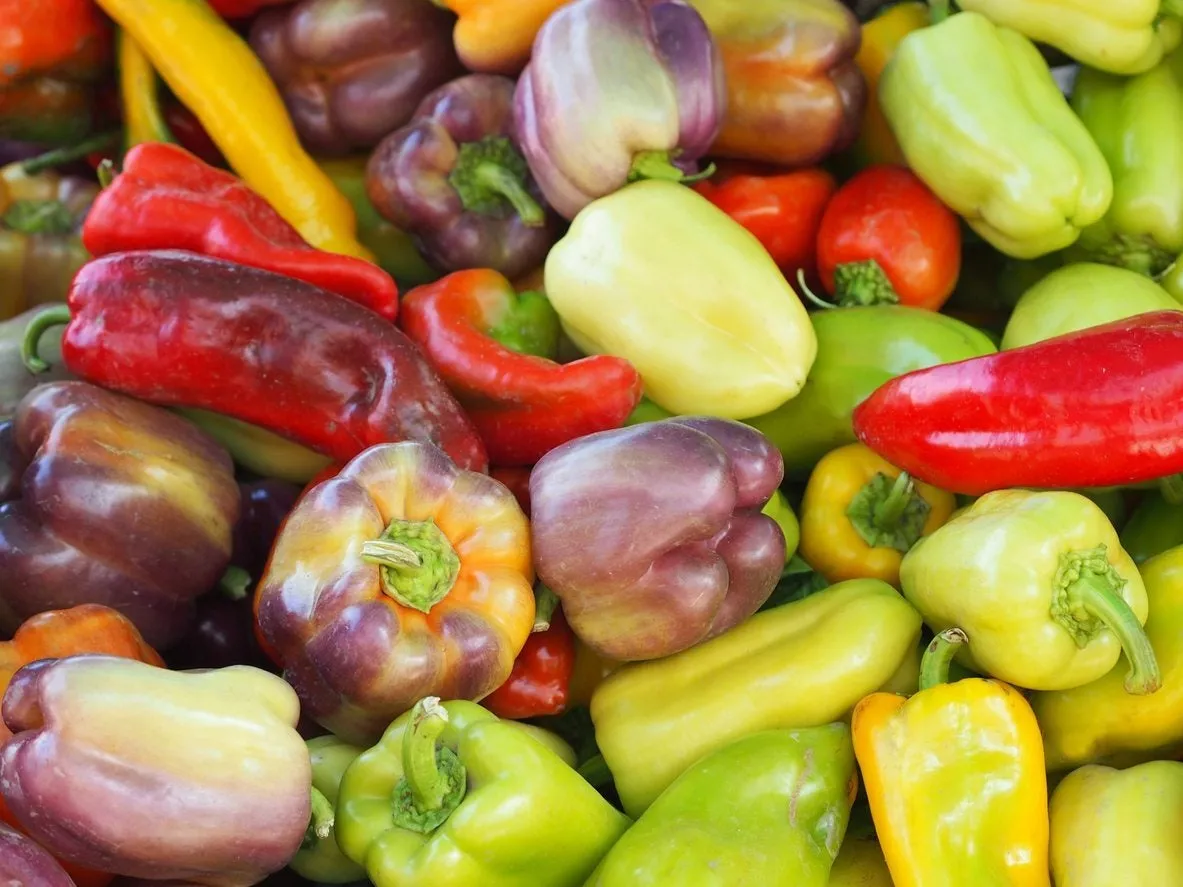
Peppers are notorious for being divas during germination, but they are great for early sowings under glass. They require a higher soil temperature than tomatoes (ideally between 80°F and 90°F). If your seeds are sitting in cold March soil, they will sit dormant and eventually rot. So start indoors, counting back 8-10 weeks before the last spring frost in your region.
Use a seed-starting mix that contains perlite or vermiculite. If you are growing hotter varieties like habaneros, be aware they can take up to 3 weeks to germinate, so don't give up on them too soon. For an extra boost, mist the soil with warm water. A heat mat can also help provide that essential warmth they crave. Once they sprout, however, move your pepper seedlings to a slightly cooler spot (around 70°F) to keep them from growing too fast and becoming spindly.
Whether you’re a sweet or spicy pepper lover, there’s something to please you for this March sowing. ‘Purple Beauty’ is a lovely bell option for an unusual pop of color, and ‘Habanada’ (a heatless Habanero flavor) is a prolific option for chilli aficionados. Or why not just try Purely Organic ‘California Wonder’ Heirloom Pepper Seeds from Amazon for the classic heirloom bell?
3. Eggplant
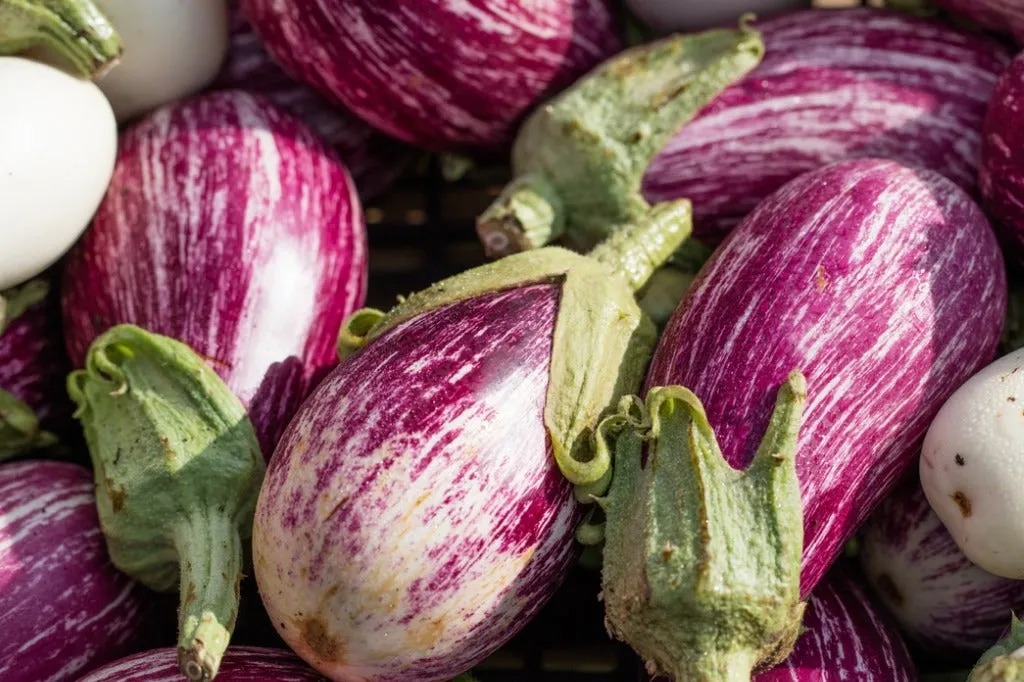
Eggplants are essentially sun sponges. In March, the goal with these warm-season vegetables is to trick them into thinking they are already in the tropics. So start your eggplant seeds indoors 6-10 weeks before the last spring frost in your region.
Because eggplant seeds are tiny, they can easily be buried too deep. Aim for a shallow quarter-inch (60 mm) and barely dust with soil. Avoid using overhead watering, which can lead to damping off. Instead, set your seedling tray in a shallow pan of water for 15 minutes daily so the moisture wicks upward to the roots. Once the seedlings are 3 inches (8 cm) tall, give them a light brush with your hand as you walk by. This strengthens the stalks for the eventual move outside.
There are some gorgeous eggplant varieties to choose from, including striped ‘Fairytale’ for raised beds, or Spanish Listada de Gandia. I love heirloom ‘Black Beauty’ Eggplant, available to buy as seeds from Burpee, for those sleek and glossy jackets and creamy fillings.
4. Basil

Whether you head over to the Italian or Thai end of the equation, basil adds a wonderful flavor – but it is frost tender. That’s why I’d suggest you start your seeds indoors, 4-6 weeks before the final spring frost in your area. Plant a few in each small pot, using moistened seed-starting mix, and a quarter-inch (6 mm) deep. Keep seeds warm, and bear in mind it will take a week or more to see the seeds sprout.
The biggest threat is stagnant air, which leads to fungal issues. If you are growing basil on a windowsill, ensure there is plenty of space between pots. Sow in clusters of 3 or 4 per cell, but snip the weakest as they grow, leaving the alpha in each cell. Start pinching off the top center stem once your basil plants have 3 sets of leaves. This forces the plant to send its energy into side branches for the bushiest growth.
Delectable basil varieties include classic ‘Genovese’, ‘Thai Basil’ for that spicy anise kick, or ‘Purple Ruffles’ for delicious frills of flavor (and incidentally, a great variety for hydroponics. You can buy ‘Purple Ruffles’ Basil Seeds from Amazon.
Vegetable Seeds You Can Direct Sow

Direct sowing in March is for the hardy crowd – by which I mean, the vegetables that enjoy a bit of a chill while they are growing. The key here is soil texture. If you squeeze a handful and it stays in a muddy ball, it’s too wet to plant. If it crumbles, you’re ready to go. For those in cooler zones (5-7), you may need to stick to indoor growing for now, whereas those in zones 8-10 will hopefully be feeling that crumble. That said, the choices listed below should work for gardeners in USDA zones 5-10.
5. Broccoli

Broccoli is one of those hardy, cool-season crops that prefer growing when the weather is cool, usually in spring and fall. I’ve found the secret to great broccoli is keeping the plant unstressed. If a broccoli seedling gets too cold or too dry in March, it may produce a button (a tiny head). Test your soil pH. Broccoli thrives in slightly alkaline soil (around 6-7).
Plant seeds a quarter-inch (6 mm) deep and space widely. Broccoli needs significant airflow to prevent the mildew. If you live in a zone where March brings heavy frosts, protect direct-sown seeds with a cloche. You can make a cloche for free by cutting the bottom off a clear plastic milk jug and placing it over the planting site. The colder your climate, the longer it will take for crops to mature. Some take 100 days in the soil before harvest.
Select a variety that matures quickly like heirloom ‘De Cicco’ or cold-hardy ‘Waltham 29’ broccoli. Harvest this nutrient-rich crop before summer’s hot sun. I also love violet nutty ‘Purplelicious’ Sprouting Broccoli Seeds, available from Burpee.
6. Cauliflower

Cauliflower is another cool-season veggie that you’ll want to harvest before summer. Start seeds at least a month before the final frost of spring. You can start them even earlier if your springs are colder than average. Cauliflower has a reputation for being a tricky member of the brassica family, because it is very sensitive to temperature fluctuations. But it’s not hard to cultivate delicious curds if you get the timing right, and you can grow outside from March in zones 3-12.
The idea is that you need the plant to get large before the summer heat hits, but you don't want it to freeze on the way. To succeed, ensure your soil is rich in organic matter. Cauliflower is a heavy drinker and a heavy eater. Mixing in a shovelful of aged compost into the planting hole is the best way to ensure consistent growth. Row covers can also help to keep the soil warm, and create a physical barrier against cabbage looper moths which will emerge when the sun comes out.
If you are growing white varieties, blanch them by tying the outer leaves together with a rubber band once the head is the size of a tennis ball to keep it tender and pale. ‘Snowball’ (classic white), ‘Cheddar’ (bright orange), or ‘Graffiti’ (vibrant purple). I love brightly colored ‘Cheddar (orange) and ‘Graffit’ (purple) but you can’t go wrong with classic white ‘Snow Ball’ Cauliflower, available as seeds from Amazon.
7. Parsnip

You can plant parsnips in March as soon as the soil can be worked. Some might argue that this delicious root is a real test of a grower’s patience. They take 3-4 weeks to show their faces from seed, and in that time, soil can crust over, trapping the delicate sprout beneath. But I’m in the camp that believes they are worth the wait. Just get them in the ground quickly, as they need a long, cool growing season.
A handy trick is to mix your parsnip seeds with a few radish seeds. The radishes sprout in just 3 days, acting as row markers so you don't accidentally hoe over your parsnips. By the time the parsnips need the space, you’ll have harvested the radishes. Water often enough to keep the soil moist, and thin once seedlings appear.
Because parsnips are long taproots, they require deeply worked soil. If your ground is rocky or heavy clay, use a garden fork to loosen the earth 12 inches (30 cm) down. ‘Gladiator’ is an excellent option for canker-resistant roots, but I love ‘Hollow Crown’ Parsnips, available as seeds from Burpee, for yummy sweet and nutty snips.
8. Peas

Peas are the third member of the cool-weather-crop trifecta. Direct-sow in a sunny garden plot. The best soil will have excellent drainage and high fertility. So please check your soil before planting your peas. If they are dropped into a muddy bog, your seeds will rot before they sprout.
You might find it helps to dig a shallow trench, fill it with a bit of sand or light compost, to improve drainage, and sow into that. Also, if you are keen to maximize vertical space, install your trellis before sowing. You don’t want to damage a delicate root system later. If a hard freeze is predicted after your peas have sprouted, don't worry too much; they can usually handle a dip to 28°F without choking.
Peas will thrive in spring, but it’s a good idea to harvest them before summer gets too toasty heat, to guarantee the freshest flavors. Try ‘Sugar Ann’ snap peas, ‘Blue Podded Desire’ for a stunning purple heirloom, or ‘Little Marvel’ for quintessential sweetness. You can buy ‘Little Marvel’ Peas in packs of 120 seeds from Amazon.
9. Beets

Beets are a delicious root vegetable edible that does double duty. I love crops that multitask, and these are some of the best, as the green beet tops are just as flavorsome as the plump roots. Beets like the cooler weather, but are fine in summer as well, and they will grow happily from early spring to late summer.
These March crops are unique, because each seed is actually a cluster of 2-4 embryos. This means that even if you space your seeds perfectly, you will always have multiples growing in one spot. In March, the most important task is thinning. Once the seedlings are 2 inches (5 cm) tall, snip the extras at the soil line. Whatever you do, don’t pull them out, or you will disturb the roots of the beet you want to keep.
Here’s a little beet secret: dissolve a pinch of Borax in a gallon of water and pour on your patch once in the season. This prevents black heart, a common beet deficiency. Don't forget, while you wait for the roots to swell, you can harvest a few leaves from each plant without hurting the bulb's development. Burpee has some highly varied beet seeds, including classic ‘Detroit Dark Red’ and candy cane ‘Chioggia’ varieties.
10. Cabbage

If there was ever a vegetable just meant for beginners, it would be cabbage – and the seeds of this agreeable hardy veggie can be direct-sown now. True, cabbages take their time heading to the finishing line, but you’ll adore watching them gain momentum and you’re sure to be cheering them on as they get bigger.
Just bear in mind that cabbage is a heavy drinker. In the breezy days of March, the soil can dry out faster than you realize. To keep your cabbage heads from splitting, consistency is key. Mulch heavily around the base of your cabbage plants with straw or shredded leaves. This keeps the roots cool and ensures the moisture levels don't fluctuate wildly, which is the main cause of heads cracking open.
Look for early varieties in March. These are bred to grow fast and can often be harvested in as little as 60 days. I adore flavorsome heirloom ‘Earliana’ Cabbage, available as seeds from Burpee. Other lovely early varieties include ‘Early Jersey Wakefield’ (pointy and fast), ‘Red Acre’ (vibrant purple), or ‘Savoy Perfection’ (crinkled, beautiful leaves). Plant in full sun and rich, well-drained soil in zones 1-10.
Cabbage is a great candidate for intercropping, so you can plant lettuce or spinach in the gaps between your cabbage plants. By the time the cabbage grows large enough to need the space, those accompanying quick developers will have been harvested.
Need more ideas for getting the most from your plants, indoors and out, and looking for the best seasonal expert advice delivered straight to your inbox? Sign up for the free Gardening Know How Newsletter!
