
-
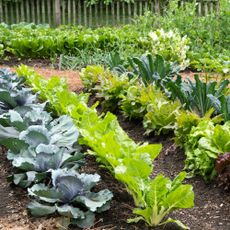 Zone 6 Planting Schedule – What to Start Each Month
Follow along each month to see what seeds to start indoors and what to sow directly in the garden. This is your ultimate Zone 6 planting guide.
-
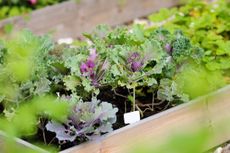 Zone 6 Vegetable Planting: Tips On Growing Vegetables In Zone 6
Live in USDA zone 6? Then you have a wealth of zone 6 vegetable planting options. One of the most important factors when growing vegetables in zone 6 is knowing the correct planting times for zone 6. Click this article to find out when to plant vegetables in zone 6.
-
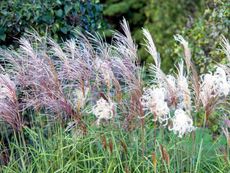 Zone 6 Ornamental Grass – Growing Ornamental Grasses In Zone 6 Gardens
In U.S. hardiness zone 6, hardy ornamental grasses can add winter interest to the garden from their blades and seed heads sticking up through mounds of snow. Click the article that follows to learn more about choosing ornamental grasses for zone 6 landscapes.
-
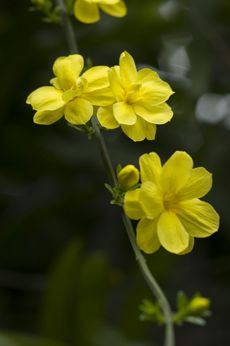 Hardy Jasmine Vines: Choosing Jasmine Plants For Zone 6
With a little extra care in winter, even common jasmine can be grown in zone 6. However, winter jasmine, or Jasminum nudiflorum, is the more often grown jasmine variety for zone 6. Click this article to learn more about growing jasmine in zone 6.
-
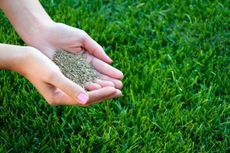 Zone 6 Grass Seed – What’s The Best Grass Seed For Zone 6 Landscapes
Not every grass seed is adapted to the soil, lighting, drainage, and fertility of individual sites. Your USDA zone also plays a role in choosing which grass will perform best. In zone 6, temperatures are mild to warm, but winter freezing can occur. Learn more here.
-
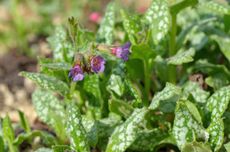 Zone 6 Shade Loving Plants: Growing Shade Plants In Zone 6
Shade is tricky. Not all plants grow well in it, but most gardens and yards have it. Finding cold hardy plants that thrive in shade can be even trickier. That said, there are more than enough zone 6 shade-loving plants out there. Learn more in this article.
-
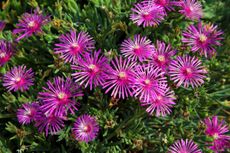 Zone 6 Hardy Succulents – Selecting Succulent Plants For Zone 6
We tend to think of succulents as plants for arid, desert climates, but there are a number of hardy succulents that tolerate chilly winters in zone 6, where temperatures can drop as low as -5 F. (-20.6 C.). Click here to learn about selecting and growing succulents in zone 6.
-
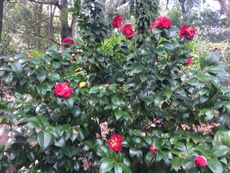 Hardy Camellia Plants: Growing Camellias In Zone 6 Gardens
In the past, camellias could only be grown in U.S. hardiness zones 7 or higher. However, in recent years, plant breeders Dr. William Ackerman and Dr. Clifford Parks have introduced hardy camellias for zone 6. Learn more about these hardy camellia plants here.
-
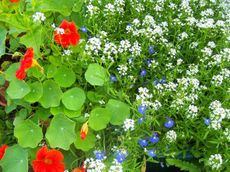 Zone 6 Flowers: Tips On Growing Flowers In Zone 6 Gardens
With milder winters and a longer growing season, many plants grow well in zone 6. If you are planning a flowerbed in zone 6, you're in luck, as there are hundreds of hardy flowering plants to choose from. This article lists annuals and perennials for zone 6 gardens.
-
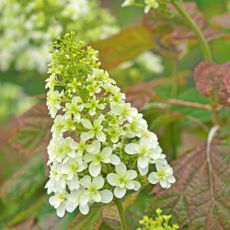 Zone 6 Hydrangea Care – Growing Hydrangeas In Zone 6 Gardens
Fortunately for those in chilly climates, you can find cold hardy hydrangeas easily. Are you interested in growing hydrangeas in zone 6? Click the article that follows to find tips on the best hydrangeas for zone 6 landscapes.
-
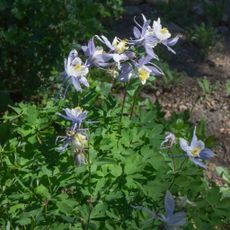 Zone 6 Native Plants – Growing Native Plants In USDA Zone 6
Not every plant native to the United States is native to a particular zone. Take zone 6, for instance. What hardy native plants are suited for USDA zone 6? Click on the article that follows to find out about zone 6 native plants.
-
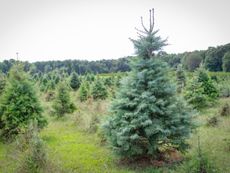 Cold Hardy Evergreen Trees – Growing Evergreen Trees In Zone 6
Most evergreen trees for zone 6 are native to North America and uniquely adapted to thrive in its average annual temperatures and weather conditions, while others are from locations that have similar climates. Find some evergreen picks for zone 6 here.
-
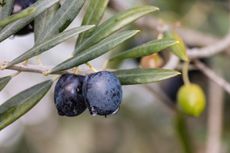 Types Of Zone 6 Olives: What Are The Best Olive Trees For Zone 6
Want to grow olives but you reside in USDA zone 6? Can olive trees grow in zone 6? The following article contains information about cold hardy olive trees, particularly olive trees for zone 6. Click here to learn more.
-
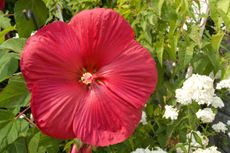 Zone 6 Hibiscus Plants – Growing Hibiscus In Zone 6 Gardens
Many hibiscus varieties are native to the tropics and can only survive in high humidity and heat. But there are also plenty of types of hardy hibiscus varieties that will easily survive a zone 6 winter and come back year after year. Learn more about them here.
-
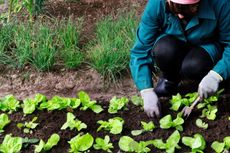 Fall Planting Guide For Zone 6: When To Plant Fall Vegetables In Zone 6
Planting fall gardens in zone 6 seems like an impossible task, but there are a surprising number of vegetables suitable for zone 6 fall vegetable planting. Don't believe us? This article has some suggestions that may help.
-
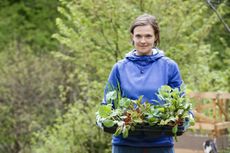 Vegetables For Zone 6 – Growing Vegetables In Zone 6 Gardens
USDA zone 6 is an excellent climate for growing vegetables. The growing season for hot weather plants is relatively long and is bookended by periods of cool weather that are ideal for cold weather crops. Learn more about choosing the best vegetables for zone 6 here.
-
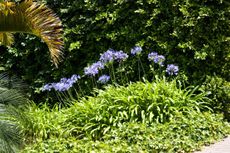 Zone 6 Tropical Plants – Tips On Growing Tropical Plants In Zone 6
Finding tropical plant specimens that can survive the cold zone 6 temperatures can be a challenge. Luckily, there are many hardy, tropical-looking plants that will thrive in zone 6, and a few that will survive with some protection. This article will help with that.


