What Is Sunscald: Learn About Sunscald On Plants

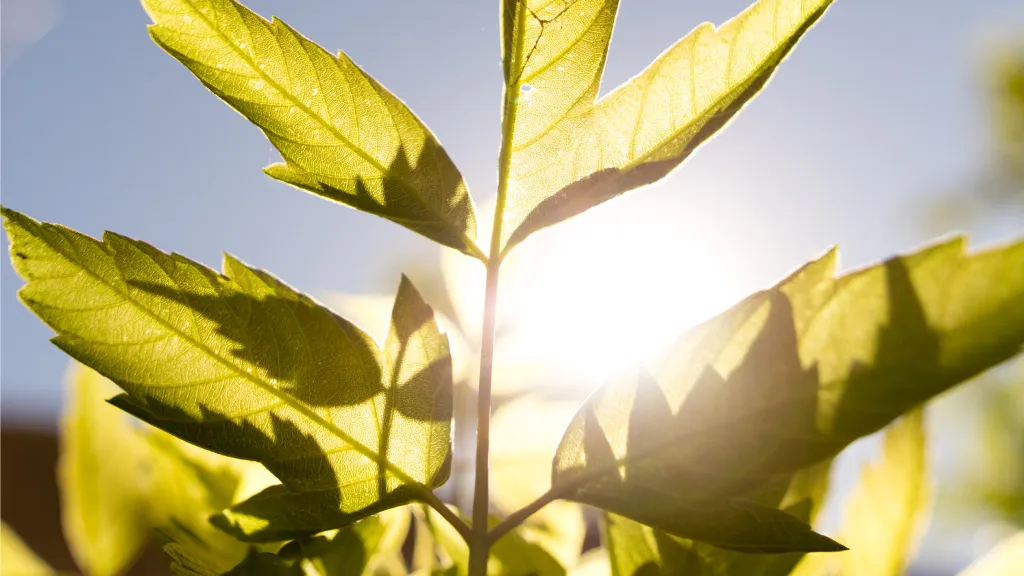
Did you know that plants and trees can get a sunburn just like human beings? Much like our sunburn, sunscald on plants damages the outer layer of a plant's skin. Leaves, stems, and trunks that have been exposed to too much strong sunlight can develop lesions, or damaged spots, that can allow diseases to enter the plant's system. This can cause unattractive flowers, sickly plants, and fruits that rot or don't develop. Keep reading for tips on treating sunscald.
What is Sunscald?
When tender plant parts are exposed to massive amounts of strong sunlight, the softer parts of the plant can become damaged. This will result in withered brown spots on the leaves, stems, and trunks of the plants and fruits that rot or get diseases. Fruit sunscald often happens in plants such as apples, berries, and grapes when disease or excess pruning takes away too many protective shade leaves, leaving the fruit open to damage. It is also common in many vegetable crops like tomatoes and peppers. Tree sunscald often happens to younger trees, especially in the fall or late winter when the weather changes rapidly. Warm days with strong sun encourage cells to open up on a young tree trunk, and cold, freezing nights shut them back down again. Trees that get sunscald on their trunks can be stunted and they may not develop as much fruit as their undamaged neighbors.
How to Prevent Sunscald
Treating sunscald is a matter of preventing it before it starts. After the damage has been done, there is no way to repair it. When it comes to protecting your fruit plants and vines, common sense care is the best medicine for fruit sunscald prevention. Place the plants where they get enough shade in the afternoon. Give them the right amount of water and fertilizer, and be careful when you prune the branches and vines. Provide loose shade by spreading thin lengths of cheesecloth over the growing fruit. Preventing sunscald on trees is something you should do with young plants in the fall. Wrap the trunks loosely with commercial tree wrap strips, winding the strip up the trunk like an overlapping candy cane stripe. Tape the end of the tree wrap to itself and never to the tree trunk. Remove the wrapping in the spring to allow the tree to grow naturally, then wrap it again the next fall. Some old-time fruit growers used to paint the trunks of young trees with white paint to protect them. This method works, but you'll end up with an unattractive tree with an odd white trunk, which won't fit in with many landscaping designs.
Sign up for the Gardening Know How newsletter today and receive a free copy of our e-book "How to Grow Delicious Tomatoes".

Anne Baley is a garden writer who specializes in practical, budget-friendly growing techniques for home gardeners. She covers topics ranging from vegetable gardening and edible plants to ornamental landscaping and seasonal care. With a creative background that includes work as a photographer and college representative, Anne brings both resourcefulness and imagination to her writing. After spending much of her life gardening in Michigan, she relocated to Florida, where she continues to explore new plants, climates, and growing challenges from her home near the Atlantic coast.