



-
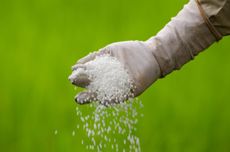 Understanding Nitrogen Requirements For Plants
Understanding nitrogen requirements for plants helps gardeners supplement crop needs more effectively. Adequate nitrogen soil content is necessary for healthy plants. Get more info in this article.
-
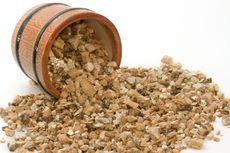 What Is Vermiculite: Tips On Using Vermiculite Growing Medium
plants require soil aeration, nutrition and water to thrive. If your garden soil is lacking in any of these, there is something that you can add to improve soil structure - vermiculite. What is vermiculite and how is using vermiculite beneficial? Click here for more info.
-
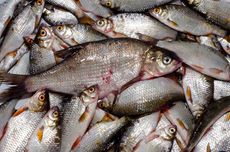 Using Fish Emulsion: Learn How And When To Use Fish Emulsion Fertilizer
Plants need light, water, and good soil to thrive, but they also benefit from the addition of fertilizer, especially organic. There are several organic fertilizers available – one type being fish fertilizer for plants. To learn more about fish emulsion, click the following article.
-
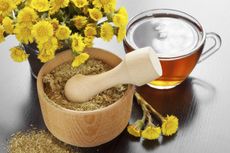 Organic Coltsfoot Fertilizer: How To Make Coltsfoot Fertilizer
Using coltsfoot leaves for fertilizer imparts healthful benefits to our green friends when applied as a tea or even as compost. Learn how to make coltsfoot fertilizer as part of your organic garden care ritual. This article will get you started.
-
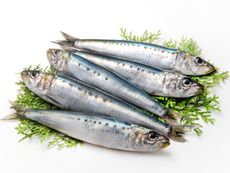 Fish Emulsion Fertilizer - Tips For Using Fish Emulsion On Plants
Fish emulsion benefits to plants and ease of use make this an exceptional fertilizer in the garden, especially when making your own. For more information on making and using fish emulsion, this article will help.
-
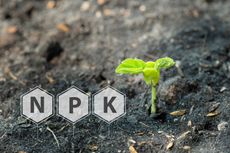 Lowering Phosphorus Levels – Correcting High Phosphorus In Soil
Testing and maintaining adequate soil nutrients is an essential aspect of growing a beautiful home garden. Monitoring and correcting high phosphorus levels in soil will be essential in ensuring optimal plant growth in the garden. Learn about high phosphorus here.
-
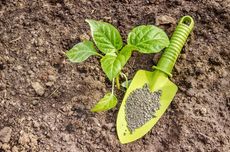 Potassium Rich Soil: Tips For Lowering Potassium Levels
Potassium is a critical nutrient that plants absorb from the soil, and from fertilizer. A little extra potassium generally isn’t cause for worry, but potassium-rich soil can be a problem. Click this article to learn how to reduce potassium in soil.
-
 Cat Or Dog Poop In Soil – Sanitizing Garden Soil After Pets Have Been There
Given that pets have a natural disregard for the sanctity of your tomatoes, how do you go about sanitizing garden soil? If there are pet feces in the garden, is disinfecting contaminated soil even necessary? Click this article for more information.
-
 Soil Microbes And Climate: Learn About Soil Microbe Adaptation
Soil microbes are an important part of the soil system and are present and varied in all soils everywhere. These may be unique to the area where they are found and adapt to changing conditions there. But do soil microbes adapt to different regions? Find out here.
-
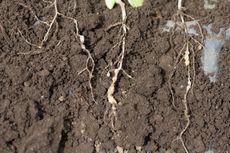 Soil Borne Disease Control: Organisms In The Soil That Can Harm Plants
For many home gardeners, nothing is more frustrating than crop loss due to unknown causes. Gaining a better understanding of soil borne organisms and pathogens can help growers develop a thorough grasp of soil and garden health. This article will help.
-
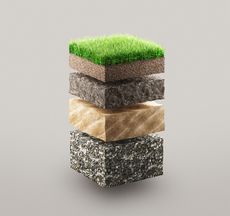 Soil And Microclimate – Learn About Different Soils In Microclimates
To the gardener, the most important thing about microclimate soils is their ability to provide areas where different plants will grow – plants that might not grow in your primary landscape because of a lack of sun or moisture. Learn more about this here.
-
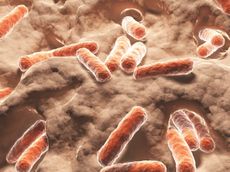 What Are Microbes: The Benefits Of Microbes In Soil
Microbes in the soil and associated with plant roots provide a multitude of benefits, from improving the nutrient content of our crops to enhancing their resistance against diseases. For more information on how these beneficial microbes work, click here.
-
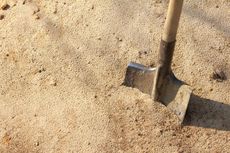 Selecting Plants For Sandy Soil – Learn About Sand Tolerant Plants
Sandy soil can be especially frustrating. Luckily, there are ways to manage sandy soil. And, surprisingly, there are a number of sandy soil plants that can even thrive in these conditions. Learn about these sand tolerant plants in this article.
-
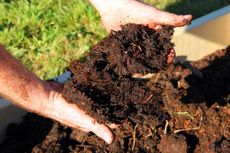 Compost As Soil Amendment – Tips On Mixing Compost With Soil
Soil amendment is an important process for good plant health. One of the most common and easiest amendments is compost. Combining soil and compost has a number of benefits. Plus, you can make your own. Click here for tips on amending soil with compost.
-
 What Is Pumice Used For: Tips On Using Pumice In Soil
Each type of potting soil is specifically formulated with different ingredients. Pumice is one such ingredient used as a soil amendment. What is pumice and what does using pumice in soil do for plants? Click this article to find out about growing plants in pumice.
-
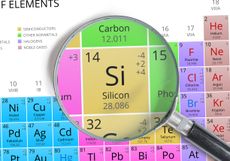 Silicon And Gardening: Do Plants Need Silicon In The Garden
Most everyone knows of nitrogen, phosphorous, and potassium, but there are other nutrients, such as silicon, that while not perhaps as necessary, play a vital role in growth and health. What is the function of silicon and do plants really need silicon? Find out here.
-
 Settling Berm Soil Issues – How To Alleviate Berm Soil Level Falling
If your berm is getting smaller to an alarming degree, it is probably built incorrectly or is experiencing a drainage problem. This is challenging to remedy unless you completely rebuild. Some possible solutions found in this article may help you correct settling berm soil.

Welcome
to
The Club
!
Hi
,
Keep exploring and earning more as a member.

Earn your first
badge
Read 1 article to unlock your first badge.
Keep earning badges
Read 1 article to unlock your first badge.
See what you’ve unlocked.
Explore your membership benefits.



Get Club Access Quick
For the quickest way to join, enter your email below. We'll send a confirmation email and also sign you up to Gardening Know How newsletters with the latest inspiration, expert advice and exclusive offers.
By submitting your information you agree to the
Terms & Conditions
and
Privacy Policy
and are aged 16 or over.


