



-
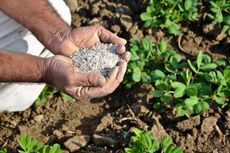 Side Dressing With Sulfur: How To Side Dress Plants With Sulfur
Side dressing is a simple strategy and is most often used with nitrogen, but sulfur side dressing is becoming more popular as many gardeners realize their plants are deficient in this secondary nutrient. Learn more about it in this article.
-
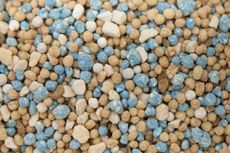 Long Lasting Fertilizer: When To Use A Slow Release Fertilizer
Fertilizers provide nutrients to plants in different ways. Some are quick acting, but some work over a period of time. Learn about slow-release feeding.
-
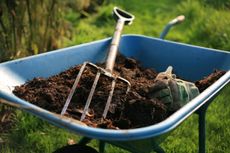 What Is Soil Conditioner: Using Soil Conditioner In The Garden
Bad soil can restrict the water and nutrient uptake of plants, and restrict the root development. Fortunately, soil conditioners can help. What is soil conditioner? This article will answer that question and explain how to use soil conditioner in the garden.
-
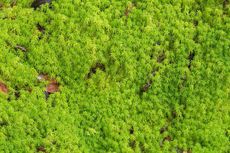 Sphagnum Moss Vs. Sphagnum Peat Moss: Are Sphagnum Moss And Peat Moss The Same
Most plant owners have dealt will sphagnum moss at some point. You may also have wondered at some tine if sphagnum moss and peat moss the same. Click this article to learn the difference between sphagnum moss and sphagnum peat.
-
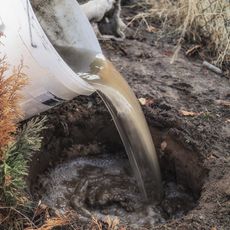 Checking Soil Drainage: Tips For Making Sure Soil Drains Well
When you read a plant tag or seed packet, you might see instructions to plant in "well-drained soil." But how do you know if your soil is well-drained? Find out about checking soil drainage and correcting problems in this article.
-
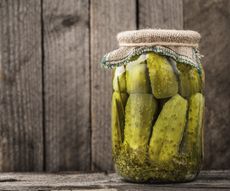 Is Pickle Juice Good For Plants: Using Leftover Pickle Juice In Gardens
There are many remedies for improving the acidity of the soil. One such idea is pouring pickle juice on plants. Yes, it sounds a bit wild. The question being, is pickle juice good for plants? This article provides the answer.
-
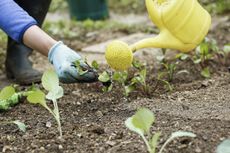 Retaining Soil Moisture: What To Do When Soil Dries Out Too Fast In The Garden
Many of us with dry, sandy soil know the frustration of watering thoroughly in the morning, only to find our plants wilting by the afternoon. Click the article that follows to learn more about retaining moisture in the soil.
-
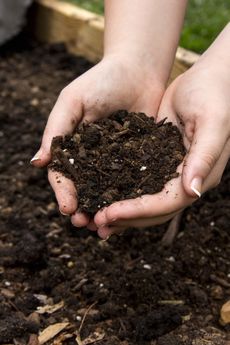 What Is The Best Soil For Raised Garden Beds
Get great results with your veggies and herbs by choosing the best soil for raised garden beds.
-
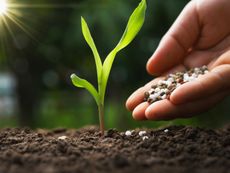 Too Much Fertilizer On Plants: Managing Fertilizer Burn In Gardens
When it comes to fertilizing, we often fall into bad habits. Over fertilization in the garden often results in fertilizer burn of plants. Read this article to learn what can be done about it.
-
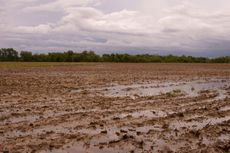 Types Of Leaching: Info On Leaching Garden Plants And Soil
What is leaching? This is a commonly asked question. Read this article to learn more about the types of leaching in plants and soil. Click here to get this important information and learn how to distinguish between them.
-
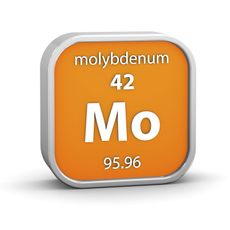 What Is Molybdenum: Information On Molybdenum Sources For Plants
Molybdenum is a trace mineral important for plants and animals. Plants can tolerate very high levels of molybdenum but do poorly with little to none of the element. Learn more here.
-
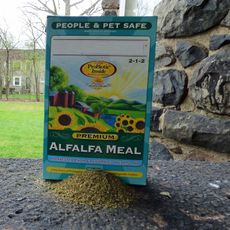 Fertilizing With Alfalfa Meal: How To Use Alfalfa Meal In The Garden
If you've ever been around horses, you'll know they love alfalfa meal as a tasty treat. Organic gardeners know it for another reason: it's a great natural fertilizing agent for blooming plants. Get more info here.
-
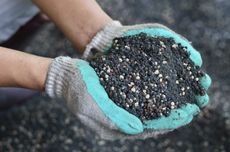 Soil Health Information: What Are Macro and Micro Elements In Plants
Macro and micro elements in plants are essential to healthy growth. They are found naturally in soil, but get depleted. That?s where fertilizer comes in. Read this article to learn more about common soil nutrients. Click here.
-
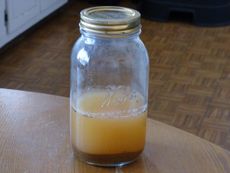 Mason Jar Soil Test - Tips For Taking A Soil Texture Jar Test
A little basic info about the texture of your garden soil can help you determine how the soil absorbs water and if it needs some amending. This article has information on using a DIY jar test to measure soil texture in your garden.
-
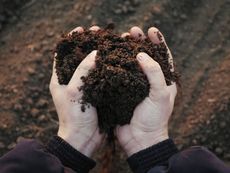 Sustainable Gardening Tips – Building A Sustainable Garden Soil
Build healthy soil to enhance your sustainable garden while reaping the rewards of more abundant crops and a more eco-friendly environment.
-
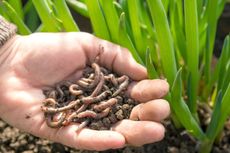 Adding Worms To A Compost Pile - How To Attract Earthworms
Learn how to attract earthworms for optimum plant health and porosity. This article provides tips and information on attracting worms to the garden and the benefits they offer.
-
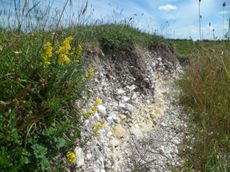 What Is Chalky Soil: Tips For Improving Chalky Soil
It?s common to hear reference to alkaline/acidic or sandy/loamy/clay when soil types are being explained. These may be categorized even further with terms like lime or chalky soil. Lime soils are pretty common, but what is chalky soil? Find out here.

Welcome
to
The Club
!
Hi
,
Keep exploring and earning more as a member.

Earn your first
badge
Read 1 article to unlock your first badge.
Keep earning badges
Read 1 article to unlock your first badge.
See what you’ve unlocked.
Explore your membership benefits.



Get Club Access Quick
For the quickest way to join, enter your email below. We'll send a confirmation email and also sign you up to Gardening Know How newsletters with the latest inspiration, expert advice and exclusive offers.
By submitting your information you agree to the
Terms & Conditions
and
Privacy Policy
and are aged 16 or over.


