
-
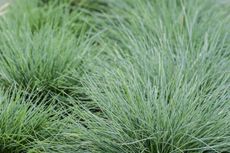 Small Ornamental Grass Varieties: Learn About Popular Short Ornamental Grasses
Although large clumps of ornamental grass are impressive, low growing grasses can be just as stunning. They are easy to grow, low maintenance, and come in a wide array of varieties. To learn about the most popular short ornamental grasses, click here.
-
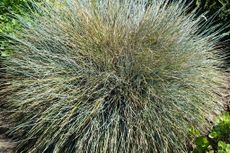 Ornamental Grass Center Is Dying: What To Do With A Dead Center In Ornamental Grass
If you notice the centers dying in ornamental grass, it just means the plant is getting older and a little tired. A dead center in ornamental grass is typical when plants have been around for a while. This article will help with fixing ornamental grass dying in the middle.
-
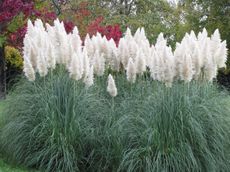 Pruning Ornamental Grasses – Does Ornamental Grass Need Pruning
Ornamental grasses are an interesting, low-maintenance addition to the landscape. Limited care and ornamental grass pruning are mainly all that’s needed to keep them attractive. This article covers tips for pruning ornamental grass. Click here to learn more.
-
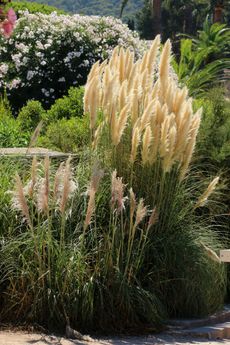 Ornamental Grass Division: When And How To Divide Ornamental Grass
If you have more time than money and like growing your own landscape plants, try ornamental grass division. Most landscapes have an area, or even several spots, where some type of grass would look perfect. Learn when and how to divide ornamental grasses here.
-
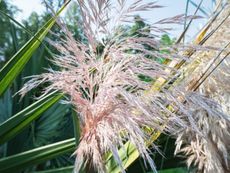 What Is Siberian Melic - Tips For Growing Siberian Melic Grass
Siberian melic altissima is an ornamental grass with striking, deep purple panicles in summer. Click to learn more.
-
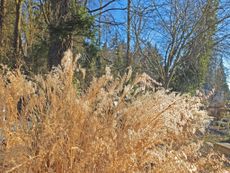 Dying Ornamental Grass: Why Ornamental Grass Turns Yellow And Dies
Although it’s uncommon, even these super tough plants can develop certain problems, and yellowing ornamental grass is a sure sign that something isn’t right. Do some troubleshooting in this article and figure out the possible reasons why ornamental grass is yellowing.
-
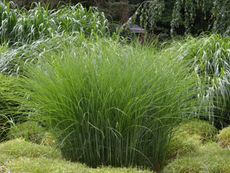 Ornamental Grass Clay Soil - How To Grow Grass In Clay
Those with heavy clay soils may find it especially difficult to establish thriving borders. Fortunately, several species of ornamental grass are available.
-
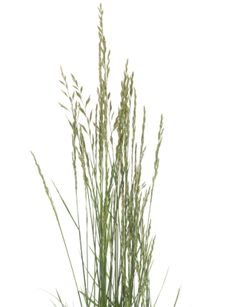 What Is Sheep Fescue Grass – Growing Requirements For Sheep Grass In Gardens
Sheep fescue grass is drought tolerant, slow growing, and thrives in infertile soil. For more information about sheep fescue grass click the following.
-
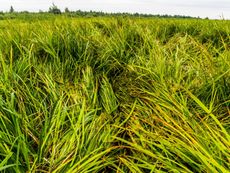 Ornamental Grass For Sand - What Grass Grows On Sand
Planning a garden and wondering what grass grows on sand? Many of the top ornamental grasses are excellent choices. Read on for more.
-
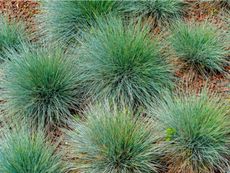 Northwestern Ornamental Grasses – Growing Ornamental Grass In Northwest Gardens
Incorporating ornamental grass in northwest gardens is an increasingly popular choice and with good reason. Interested in growing northwestern ornamental grasses? Click here to learn about pacific northwest ornamental grasses.
-
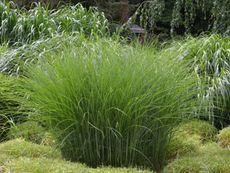 Full Sun Ornamental Grass - Ornamental Grass For Sun Gardens
If you are looking for plants for an area of full sun, try growing sun loving ornamental grass. Read on to learn more.
-
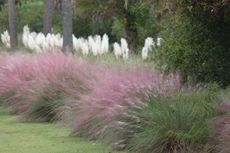 Ornamental Grass That Grows In Shade: Popular Shady Ornamental Grasses
Shady ornamental grasses have traditionally been difficult to find, as many of the commercial offerings are geared towards sun locations. Options have increased in recent years, with numerous lovely ornamental grass for shade available. Learn more here.
-
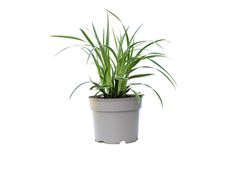 Ornamental Grasses For Containers: How To Grow Ornamental Grass In A Pot
Ornamental grasses provide a unique texture, color, height and even sound to the home garden. But caring for potted grasses is also an excellent project. This article will explain more about potted grasses.
-
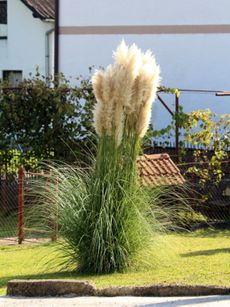 Preventing Flopping Grass: Causes Of Ornamental Grasses Falling Over
One of the few problems you may have with an ornamental grass plant is the stems falling over, otherwise known as lodging of ornamental grasses. Find out why this happens and how to fix it right here.
-
 Ornamental Grass Seed Propagation – Learn About Collecting Ornamental Grass Seeds
Their carefree growth habit, in addition to the ease at which ornamental grass seed propagation can occur, make these grasses an excellent choice even for novice growers. Click here for information on collecting and saving ornamental grass seeds.
-
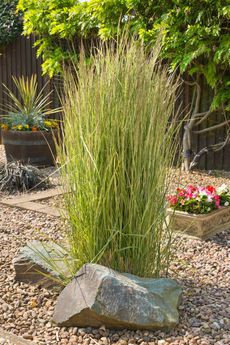 Ornamental Grasses Without Plumes: No Plumes On Ornamental Grass
If there are no plumes on ornamental grass in your garden, there are a few possible causes. They may be cultural, site-related, due to age or just due to plant variety. Read here to learn more.


1
2