






Growing Ginger Plants: How To Plant And Care For Ginger

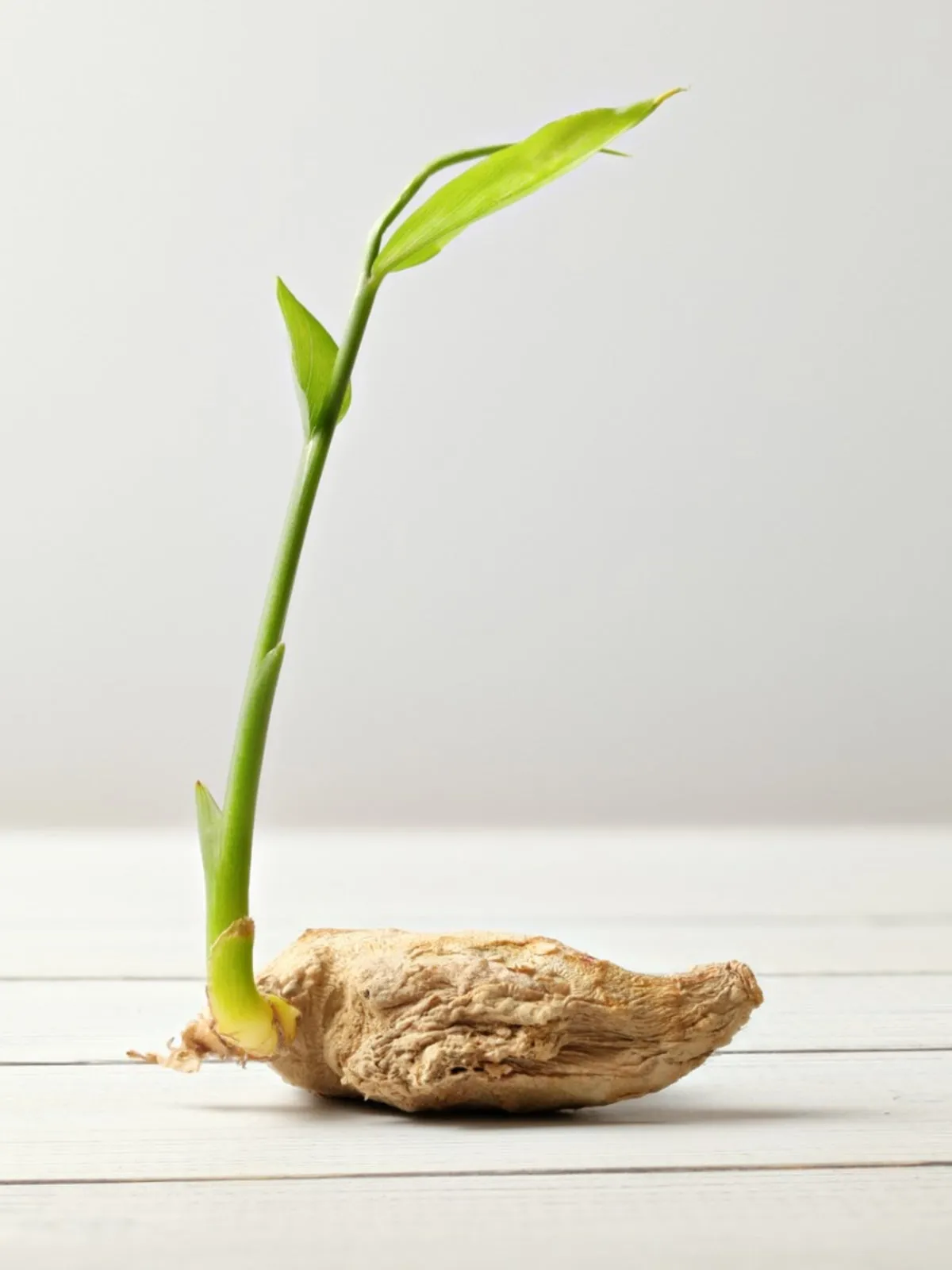
While many gardeners know ginger as a grocery store staple, few realize how easy it is to grow at home. Whether planted in a garden bed, raised bed, container, or even indoors, ginger rewards gardeners with a harvest of aromatic rhizomes that can be used fresh, dried, pickled, or frozen for later use. On top of all of that, ginger is a beautiful tropical foliage plant. What a bonus!
Native to tropical regions of Southeast Asia, edible ginger (Zingiber officinale) is grown for its underground rhizomes. Although it requires a long growing season and warm temperatures, gardeners in cooler climates can successfully grow ginger in containers and bring plants indoors when temperatures drop.
Growing ginger is relatively straightforward once you understand its basic needs. Given warmth, consistent moisture, rich soil, and a little patience, a single rhizome can multiply into a generous harvest that can add bold flavor to everything from stir-fries and baked goods to teas and homemade beverages. Whether you're interested in growing your own cooking ginger, harvesting young "baby ginger," or simply enjoying the plant's lush appearance, ginger is a rewarding addition for anyone starting a vegetable garden.
Quick Ginger Facts
Botanical Name |
Zingiber officinale |
Plant Type |
Herbaceous perennial grown for rhizomes |
Height |
2-4 feet (60-120 cm) |
Spread |
2-3 feet (60-90 cm) |
Light |
Partial shade to filtered sun |
Soil |
Rich, loose, well-draining soil |
Hardiness |
USDA Zones 9-12 (Not in the US? Convert your zone) |
Growing Season |
Spring and fall, cool climates; fall and winter, mild climates |
Days to Maturity |
8-10 months for mature rhizomes; 4-6 months for baby ginger |
What is Ginger?
Ginger is a tropical flowering plant grown primarily for its flavorful underground horizontal plant stem. Though commonly referred to as a root, the edible portion of the plant is actually a modified stem called a rhizome. These thick, knobby structures store energy for the plant while providing the spicy flavor and aroma that make ginger a popular culinary ingredient worldwide.
Above ground, ginger produces a plant that looks gorgeous in the garden. It has upright stems lined with narrow, lance-shaped leaves that create a lush, tropical appearance. In warm climates or when grown as a perennial, mature plants may also produce cone-shaped flower spikes in hot tropical colors.
Many ornamental gingers exist as well, prized for their flowers and foliage. They are generally not grown for culinary use.
Types of Ginger
Most home gardeners grow common culinary ginger (Zingiber officinale), but there are several forms available to grow and worth knowing about.
Sign up for the Gardening Know How newsletter today and receive a free copy of our e-book "How to Grow Delicious Tomatoes".
- Culinary Ginger
The standard ginger found in grocery stores. It is valued for its aromatic rhizomes and is the most commonly grown type for cooking. You can even make your own ginger ale or beer! - “Baby” Ginger
This is simply ginger harvested before reaching full maturity. Baby ginger has thin, pale skin, a milder flavor, and a less fibrous texture than mature ginger. - Japanese Ginger
Japanese ginger (Zingiber mioga) is grown for its edible buds, which are used much like an herb. Its roots are not edible. - Ornamental Ginger
Ornamental ginger species are grown for their dramatic flowers and tropical foliage rather than edible rhizomes. While beautiful, they are generally treated separately from edible ginger production.
Planting Ginger
Start your ginger growing off right by selecting healthy rhizomes. Unlike many vegetables, ginger is typically propagated from pieces of rhizome that contain viable growth buds, often called "eyes," much like growing potatoes.
Begin with fresh rhizomes purchased from a nursery, seed supplier, or even a grocery store. Select firm, plump rhizomes with visible buds and no signs of mold, shriveling, or decay.
Large rhizomes can be cut into sections approximately 1-2 inches (2.5-5 cm) long, just as long as each piece contains at least one healthy bud. Allow cut pieces to dry for 24 hours before planting to help reduce the risk of rot.
When to Plant Ginger
Because ginger is a tropical plant, it grows best when both air and soil temperatures remain warm throughout the growing season. Ginger’s preferred soil and air temperatures are above 60°F (16°C).
Gardeners in USDA Zones 8 and colder can benefit from starting ginger indoors 6-8 weeks before their average last frost date. This extra growing time is especially helpful because ginger can take eight to ten months to reach full maturity. Once outdoor temperatures have warmed, transplant young plants into the garden or move the containers outdoors.
In USDA Zones 9-12, ginger can usually be planted directly outdoors in spring. In these warmer regions, ginger can grow as a perennial and may remain in the ground year-round if the soil drains well and temperatures don’t fall below freezing for long periods. Established plants will often die back during cooler weather and reemerge when temperatures warm in spring.
Gardeners in frost-free tropical and subtropical climates can plant ginger nearly year-round, though spring planting generally provides the longest growing season and largest harvest.
Best Soil for Ginger
Ginger grows best in loose, fertile soil rich in organic matter. Well-draining soil is essential because soggy conditions can quickly lead to rhizome rot.
Before planting, work several inches of compost or well-rotted organic matter into the planting area. A slightly acidic soil pH between 5.5 and 6.5 is ideal.
Light Requirements
Unlike many vegetable crops, ginger prefers filtered sunlight or partial shade. Morning sun with protection from afternoon sun is ideal, particularly in hot climates.
Plants grown in deep shade may survive but might produce smaller rhizomes. Also, ginger grown with too much direct afternoon sun can end up with scorched foliage and suffer from undue stress.
How to Plant Ginger—Step by Step
Follow these steps to get your new ginger crop started in the best way possible:
- Prepare the soil. Loosen the soil and mix in compost or another soil amendment to create a rich, loose, well-draining soil.
- Plant. Place rhizome sections horizontally with buds facing upward. Cover with 1-2 inches (2.5-5 cm) of soil.
- Spacing. Rhizomes should be 8-12 inches (20-30 cm) apart.
- Water thoroughly. Keep soil consistently moist but not wet to avoid rhizome rot while new shoots emerge.
- Mulch. Apply a light layer of mulch to help conserve moisture.
Germination can be slow. Depending on temperatures, shoots may take several weeks to appear above the soil surface.
Ginger Care
Once established, ginger is a relatively low-maintenance crop. Your key to success is planting in a nutrient-rich soil and providing consistent moisture and warm temperatures, and nutrient-rich soil throughout the growing season.
How Often to Water Ginger
Ginger prefers evenly moist soil but nothing wet. Water deeply whenever the top inch (2.5 cm) of soil begins to dry, especially during periods of active growth. In hot weather, plants may require watering several times per week.
Don’t allow the soil to become soggy, because that could can cause rhizome rot. On the other end, prolonged dry conditions can slow growth and reduce harvest size. A layer of organic mulch can help maintain even soil moisture. Keep an eye on your soil moisture with a moisture meter such as the Luster Leaf Moisture Meter available at Ace Hardware.
Fertilizing Ginger
Ginger benefits from fertile soil and regular feeding. Before planting, incorporate several inches of compost or well-rotted manure into the planting area or container.
During the growing season, apply a balanced organic fertilizer every four to six weeks. Compost tea, granular vegetable fertilizer or a fish emulsion such as Alaska 5-1-1 Fish Fertilizer available at Lowe’s can also provide the nutrients ginger needs to support healthy leaves and rhizomes. Avoid overfertilizing with nitrogen, which can encourage excessive leafy growth at the expense of rhizome production.
Mulching Ginger
A 2- to 3-inch (5-8 cm) layer of organic mulch helps conserve moisture, suppress weeds, and moderate soil temperatures. Straw, shredded leaves, pine needles, or compost all make suitable mulch materials.
Mulch is especially a benefit when growing ginger in warmer climates where soil can dry quickly during summer. It can help conserve water and keep you from needing to water frequently.
Supporting Ginger
Ginger plants develop sturdy stems and generally do not require staking or other support. Even mature plants typically remain upright throughout the growing season.
Harvesting Ginger
One of the advantages of growing ginger is the ability to harvest it at different stages of maturity.
Young or "baby" ginger can be harvested as early as four to six months after planting. At this stage, the rhizomes have thin, tender skin and a milder flavor. Baby ginger is especially prized for pickling, used fresh, and preserving.
To harvest mature ginger, allow plants to grow for eight to ten months. As harvest time approaches, the leaves begin to yellow and die back naturally. This signals that the rhizomes have reached their maximum size and flavor.
To harvest, gently loosen the soil around the plant and lift the rhizomes out of the soil with a garden fork or shovel, then shake off loose soil and trim ends. A digging fork is one of the safest tools for harvesting mature ginger without damaging the rhizomes. The Ames 4-Tine Forged Spading Ford available at Home Depot is up to the task.
Shake away excess soil and trim the stems.
If you live in a warmer climate, you can harvest just part of a rhizome clump and replant the remainder to continue growing on. You can then have your very own ongoing ginger patch.
Preparing and Storing Ginger
Use freshly harvested ginger immediately or stored for future use. Gently brush away excess soil and allow the rhizomes to dry in a shaded, well-ventilated location for several days. Washing ginger can shorten its storage life, so avoid washing whenever possible.
Fresh ginger can be stored in the refrigerator for several weeks. For longer storage, freeze rhizomes whole or as slices. Frozen ginger retains much of its flavor and can often be grated directly from the freezer.
Rhizomes may also be dried and ground into powder or preserved in syrups, candies, and other preparations.
Propagating Ginger
The easiest way to propagate ginger is by dividing mature clumps of ginger plants is a good way to rejuvenate plants and create additional plants. To separate the plant, dig it up carefully without damaging the rhizomes and roots using a garden fork. Use a sharp knife or root saw and cut away individual rhizomes. Check each rhizome for damage from rot or insect/rodent damage. Discard any damaged rhizomes. Take the healthy rhizomes and select all that have at least several eyes or growth nodes. These will be the source of sprouts and new plant growth.
Ensure that each piece planted has plenty of nodes; that way, if one growth node fails another may sprout. You can also store the rhizomes in peat moss in a paper bag until it’s time to plant.
Ginger Problems
Although ginger is generally resilient, you may occasionally encounter pests, diseases, or environmental issues.
Common ginger problems include:
- Rhizome rot caused by poorly drained soil or excessive watering.
- Bacterial wilt, which can cause yellowing, collapse, and decline.
- Leaf spot diseases that create brown or yellow lesions on foliage.
- Root-knot nematodes that damage roots and reduce plant vigor.
- Spider mites, especially on indoor plants grown in dry conditions.
- Scale insects that feed on stems and leaves.
- Slugs and snails that chew young foliage.
- Nutrient deficiencies that result in pale or stunted growth
- Brown leaf tips or browning foliage caused by drought stress, low humidity, excess sun, or natural aging.
Most problems can be prevented by planting in well-draining soil, maintaining proper watering practices, and providing adequate air circulation around plants.
Growing Ginger in Containers
Ginger is exceptionally well-suited to growing in containers, especially for gardeners with limited space or short growing seasons. And as a by-product, it makes a lovely tropical plant for your patio and even indoors.
Choose a wide container with drainage holes and at least 12 inches (30 cm) deep. Because ginger spreads horizontally, width is often more important than depth. A deep container such as the large-sized Root Pouch Fabric Grow Bags available at Burpee.com is more than wide enough to accommodate a ginger plant’s growing rhizomes. Fill it with a high-quality potting mix amended with compost to provide both nutrition and drainage.
Plant rhizomes near the surface of the potting mix and maintain consistent moisture as it grows. You can easily move container-grown ginger plants indoors before cold weather arrives to extend its growing season and protecting plants from frost.
Growing Ginger Indoors
If you live north of zone 9, frost and freezes could compromise any ginger plants in your garden. Starting your ginger indoors in containers is a good way to get a jump on the growing season outdoors. You can also grow ginger completely indoors year round with very little effort.
You’ll plant your ginger in containers as outlined above and place them near a bright window that receives indirect light or filtered sun. Avoid intense afternoon sunlight, which may scorch foliage through glass. You can also use supplemental lighting in the form of grow lights. Keep temperatures above 65°F (18°C) whenever possible.
Ginger sprouts much faster when soil temperatures stay between 70°F-85°F (21°C-29°C). A heat mat on which to place your containers is especially useful for gardeners in USDA Zones 8 and colder who wish to start ginger indoors before moving it outdoors. The VIVOSUN Waterproof Seedling Heat Mat available at Amazon lets you warm your soil and speed up ginger sprouting.
Indoor plants benefit from increased humidity, particularly during winter when heating systems dry the air. A pebble tray, humidifier, or grouping plants together can help create more favorable conditions.
While indoor ginger may grow more slowly than outdoor plants, it can still produce a nice harvest given enough time.
Companion Planting Ginger
Ginger's preference for warm temperatures, fertile soil, and consistent moisture makes it a good companion plant for several other tropical and subtropical crops.
Plants that grow well alongside ginger include:
- Turmeric
- Lemongrass
- Cardamom
- Peppers
- Partial shade-loving greens
Avoid pairing ginger with aggressive plants that may compete heavily for moisture and nutrients.
Can I grow ginger from grocery store ginger?
Yes! Choose firm, healthy pieces with visible buds and avoid any that appear shriveled or moldy. Organic ginger is often more likely to sprout because it is less likely to have been treated with growth inhibitors.
How long does ginger take to grow?
Baby ginger can often be harvested in four to six months, while mature rhizomes generally require eight to ten months of growth before harvest.
Why isn't my ginger sprouting?
Ginger may fail to sprout if temperatures are too cool, the rhizomes lack viable buds, or the planting medium is excessively wet. Warm soil and patience are often the solution.
Ginger Growing Essentials
- Don’t let your ginger crop turn to mush! Keep rhizome rot at bay with the Luster Leaf Moisture Meter available at Ace Hardware.
- A heat mat on the VIVOSUN Waterproof Seedling Heat Mat available at Amazon is especially useful for gardeners in USDA Zones 8 and colder who wish to start ginger indoors before moving it outdoors.
- Apply a balanced organic fertilizer such as Alaska 5-1-1 Fish Fertilizer available at Lowe’s every four to six weeks to support healthy leaves and rhizomes.
- Because ginger rhizomes grow horizontally, a deep and wide container such as the large-sized Root Pouch Fabric Grow Bags available at Burpee.com can accommodate a ginger plant’s growing rhizomes.
- A digging fork such as the Ames 4-Tine Forged Spading Ford available at Home Depot is one of the safest tools for harvesting mature ginger without damaging the rhizomes.

Ellen Wells is a horticultural communications consultant with 30 years of experience writing about all aspects of the gardening world.
She has worked for many of horticulture’s biggest brand names, writing blog posts, articles, press releases, and design and instructional pieces. Her previous roles include Senior Editor and Editor-at-Large for Ball Publishing.
Ellen is based in New England where she gardens in Zone 7a. She loves tending to flower-filled containers on the patio and puttering around her vegetable garden.
- Kristi Waterworth Writer
- Heather Rhoades Founder of Gardening Know How
- Mary Ellen Ellis Writer
- Amy Grant Writer
- Bonnie L. Grant Writer