Rotating Vegetables: Home Garden Crop Rotation
If you've planted your garden the same way year after year, your vegetables may start to fail. Crop rotation may solve the problem.

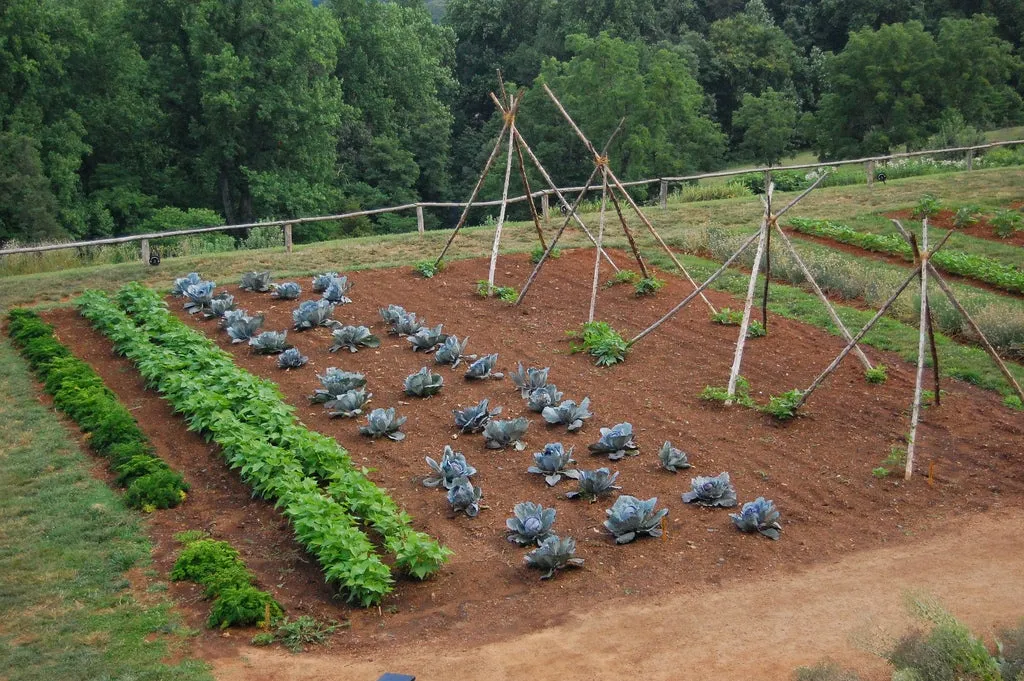
Learn About Vegetable Garden Crop Rotation
Is this your scenario? Last year, you lost half your tomato plants and a quarter of your pepper plants. Your zucchini plants have stopped producing and the peas are looking a bit peaked.
Perhaps you've been planting your garden the same way for years, and up till now, you've not had a problem. Maybe it's time to consider home garden crop rotation.
Let's look at why is crop rotation important and how to do vegetable garden crop rotation.
Why is Crop Rotation Important?
Different vegetables belong to different families, and different botanical families have different nutritional needs and are affected by different issues.
When you grow plants from the same family in the same place year after year, they slowly leach away the nutrients that those specific plants need. Eventually, without rotating vegetables, the area becomes depleted of those specific nutrients needed by that particular plant family.
On a related note, vegetables in the same botanical family are also susceptible to the same pests and diseases. Plant the same families in the same spot year after year and you may as well post a sign for an all-you-can-eat buffet for these pests and diseases.
Rotation of your vegetable garden plants will stop these issues from affecting your garden.
Sign up for the Gardening Know How newsletter today and receive a free copy of our e-book "How to Grow Delicious Tomatoes".
Home Garden Crop Rotation
Rotating vegetables at home is simple: make sure plants from the same family aren't planted in the same spot for more than three years in a row.
If a spot has a pest or disease problem, don't plant the affected botanical families there for at least two years.
Rotation of vegetable garden crops isn't difficult but simply requires planning. Every year, before you plant your garden, think about where each plant types were planted last year and how they performed the year before. If they performed poorly the year before, crop rotation could significantly improve their performance and greatly increase your garden's yield.
Plants That Profit From Rotation
These plant families will especially thrive with crop rotation:
Alliums – Onions, garlic
Brassicas – Broccoli, Brussels sprouts, cabbage
Lettuces - Salad greens
Legumes – Peas, beans, nuts, clovers
Nightshades – Eggplants, potatoes, tomatoes, peppers
Root veggies – Carrots, potatoes, beets

Heather Rhoades founded Gardening Know How in 2007. She holds degrees from Cleveland State University and Northern Kentucky University. She is an avid gardener with a passion for community, and is a recipient of the Master Gardeners of Ohio Lifetime Achievement Award.
- Caroline Bloomfield Manager of Marketing Communications