


-
 Citrus Xyloporosis Treatment: Managing Symptoms Of Cachexia Xyloporosis Virus
One disease to look out for in a home orchard is citrus xyloporosis, caused by the Cachexia xyloporosis virus. What is cachexia xyloporosis? Click on the following article for information on xyloporosis of citrus trees.
-
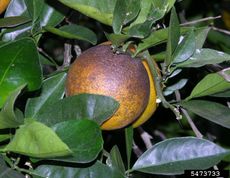 Citrus Rust Mite Control: Learn How To Kill Citrus Rust Mites
Citrus rust mites are pests that affect a variety of citrus trees. While they do not do any permanent or serious damage to the tree, they do make the fruit unsightly and virtually impossible to sell commercially. Learn more about managing them in this article.
-
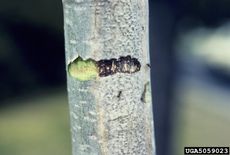 Sunscald On Citrus Trees: How To Deal With Sunburnt Citrus Plants
Just like humans, trees can get sunburnt. But unlike humans, trees can take a very long time to recover. Sometimes they never completely do. Citrus trees can be very vulnerable to sunscald and sunburn. Learn how to prevent sunscald on citrus trees here.
-
Citrus Alternaria Rot Info: Treating A Citrus Tree With Alternaria Rot
Without proper maintenance, trees may become stressed, making them more susceptible to various citrus diseases. Alternaria rot is one such issue which many citrus growers encounter. Find additional information for alternaria on citrus trees in this article.
-
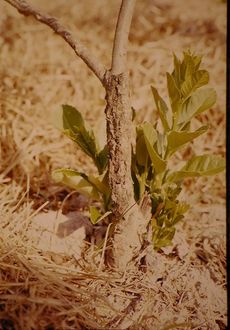 What Causes Citrus Foot Rot: Controlling Citrus Gummosis In Gardens
Citrus foot rot isn’t curable but you may be able to prevent it from taking over your citrus orchards. Learn more about citrus gummosis problems and what you can do to prevent the disease from spreading in this article. Click here for additional information.
-
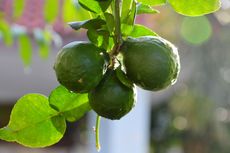 Care Of Your Kaffir Lime Tree
The Kaffir lime tree is commonly grown for use in Asian cuisine. While this dwarf citrus tree can be grown outdoors, it is best suited for indoor culture. Learn how to care for a Kaffir lime tree in this article.
-
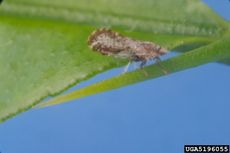 Asian Citrus Psyllid Damage: Tips On Treatment For Asian Citrus Psyllids
If you're noticing problems with your citrus trees, it could be pests - more specifically, Asian citrus psyllid damage. Learn more about the Asian citrus psyllid life cycle and the damage these pests cause, including treatment, in this article.
-
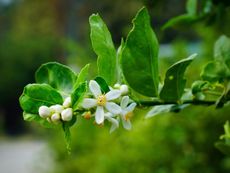 What Causes Citrus Bud Drop - Citrus Buds Are Disappearing
When you see citrus bud drop, take a deep breath. It doesn’t necessarily mean that things are terribly wrong. Read on for the scoop on why citrus buds are disappearing.
-
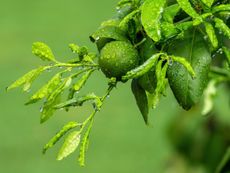 Fertilizing Lime Trees – Learn How To Fertilize A Lime Tree
Got a lime tree? Wondering how to fertilize your lime tree? Lime trees, like all citrus, are heavy feeders and, therefore, need supplemental fertilizer. But the question is, when do you fertilize lime trees? Click here and find out in this article.
-
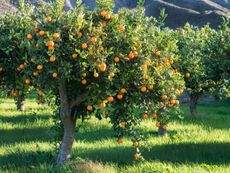 Orange Tree Care - Learn How To Grow An Orange Tree
Learning how to grow an orange tree is a worthwhile project for the home gardener. Following a few basic steps from this article on taking care of an orange tree will keep your tree healthy and productive.
-
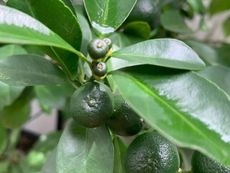 Lime Tree Leaf Drop - Why A Lime Tree Is Losing Leaves
 -
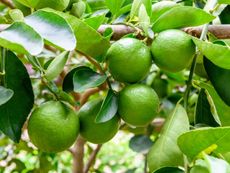 Lime Tree Harvest Time: When To Pick A Lime From A Tree
Many people wonder when to pick a lime from a tree. Limes stay green and this makes it difficult to tell. Read this article to find out when to pick a lime from a tree so harvesting limes will be easier.
-
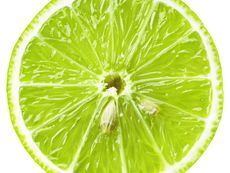 Growing Lime Trees From Seed
In addition to nursery-grown plants, grafting is probably your best bet when growing lime trees. However, most citrus seeds are relatively easy to grow, including those from limes. Learn more in this article.
-
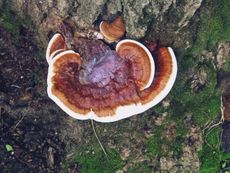 Wood Rot In Citrus: What Causes Citrus Ganoderma Rot
Citrus heart rot is an infection that causes the trunks of citrus trees to rot. If you are wondering what causes citrus ganoderma, click here. We’ll fill you in on the causes of ganoderma rot of citrus as well as what steps to take if this happens in your orchard.
-
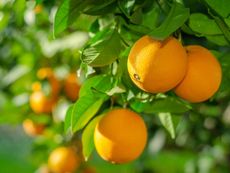 Sweet Orange Scab Control – Managing Sweet Orange Scab Symptoms
Sweet orange scab disease, which affects primarily sweet oranges, tangerines and mandarins, is a relatively benign fungal disease that doesn’t kill trees, but significantly affects the appearance of the fruit. Learn about sweet orange scab control here.
-
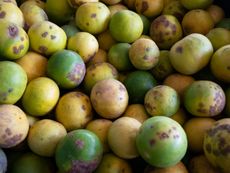 Identifying And Treating Greasy Spot Fungus
Citrus fruit can suffer from fungal problems just like other fruits. The most common form of citrus tree fungus is greasy spot fungus. Find out what to do when your fruit is affected using the information in the following article.
-
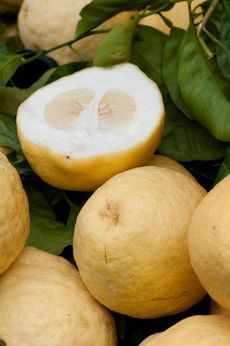 Why Citrus Fruit Get Thick Peels And Little Pulp
For a citrus grower, nothing can be more frustrating than waiting all season for citrus fruit to ripen only to discover a thick peel and little juice. This article can help with that. Click here for more info.

Welcome
to
The Club
!
Hi
,
Keep exploring and earning more as a member.

Earn your first
badge
Read 1 article to unlock your first badge.
Keep earning badges
Read 1 article to unlock your first badge.
See what you’ve unlocked.
Explore your membership benefits.



Get Club Access Quick
For the quickest way to join, enter your email below. We'll send a confirmation email and also sign you up to Gardening Know How newsletters with the latest inspiration, expert advice and exclusive offers.
By submitting your information you agree to the
Terms & Conditions
and
Privacy Policy
and are aged 16 or over.


