
-
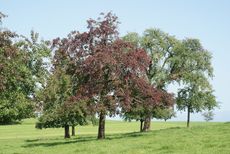 Pear Decline Phytoplasma: Treating Pear Decline Disease In The Garden
Since there is no effective pear decline treatment, your best bet is to purchase resistant plants in the first place. To learn more about symptoms of pear decline disease, including other pertinent information, this article will help.
-
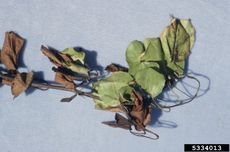 Pears And Fire Blight: How To Treat Pear Tree Blight
Fire blight in pears is a devastating disease that can easily spread and cause serious damage in an orchard. Learn more about detecting fire blight in pears and how to treat pear tree blight in the following article.
-
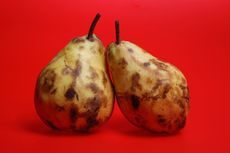 Control Of Pear Sooty Blotch – Learn About Pear Sooty Blotch Treatment
Sooty blotch is very common, so if you have pears in your home orchard, you need to know about the fungal disease. Click here for information to help you identify pears with sooty blotch, as well as tips for pear sooty blotch treatment.
-
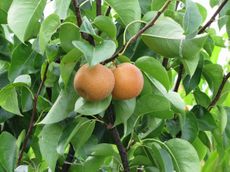 Asian First Pear Information – Learn About Asian Pear Ichiban Nashi Trees
There is something unique and wonderful about the sweet snap of an Asian pear. Ichiban nashi Asian pears are the first of these eastern fruits to ripen. The fruits are often called salad pears because the crunch and flavor add life to fruit or vegetable bowls. Learn more here.
-
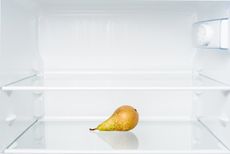 Pear Chilling Requirements: Do Pears Have To Chill Before They Ripen
Do pears have to chill before they ripen? Yes, pears need to ripen in the cold in a couple of different ways – on the tree and in storage. Learn more about ripening pears with cold in this article. Click here for additional information.
-
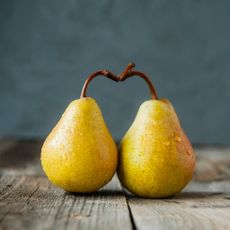 Summer Pear Vs. Winter Pear: What Is A Winter Pear And Summer Pear
There’s nothing like a perfectly ripe pear, whether it is a summer pear or a winter pear. Don’t know what a summer pear vs. winter pear is? While it might seem obvious, the difference between winter pears and summer pears is a bit more complicated. Learn more here.
-
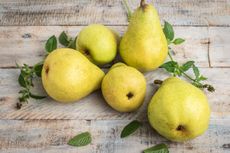 Storing And Handling Pears – What To Do With Pears Post Harvest
Pears are only in season at a certain time each year, but proper storing and handling of pears can lengthen their shelf life so they can be enjoyed for months after harvest. How do you store pears post-harvest? Click on the following article to find out.
-
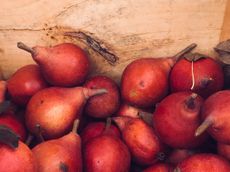 Starkrimson Tree Care – How To Grow Starkrimson Pear Trees
Pears are delightful to eat, but the trees are lovely to have in the garden as well. They provide pretty spring flowers, fall colors, and shade. Consider growing Starkrimson pears to enjoy the tree and the fruit too. This article will help get you started.
-
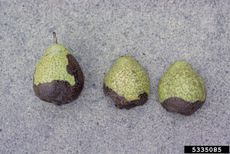 Pear Black Rot Info: What Causes Pear Black Rot
If growing pears in the home garden, be aware of the signs of a fungal disease known as black rot. Black rot of pear is not a major commercial issue, but it can ruin a small harvest and weaken trees. Learn more about controlling the disease in this article.
-
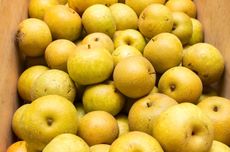 Kosui Asian Pear Info – Learn About Growing Kosui Pears
If you love pears but have never grown an Asian variety, try the Kosui pear tree. Growing Kosui pears is much like growing any European pear variety, so don’t be afraid to give it a go. This article will help get you started. Click here for more information.
-
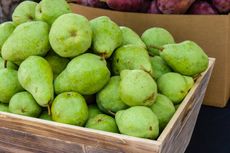 What Is A Summer Pear Tree – Learn About Summer Pear Varieties
If you love pears and have a small home orchard, you need to add a summer variety or two of this tasty fruit. Growing summer pears will give you earlier fruit, and for true pear enthusiasts, summer pears are a must. Learn more about these pear trees in this article.
-
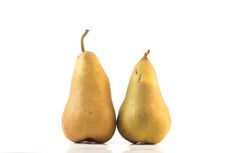 What Is A Bosc Pear: Bosc Tree Growing Conditions
Unlike most pear varieties, Bosc sweetens early so you can enjoy the fruit almost from picking. A Bosc pear tree will produce later into the season than other types. This variety is an abundant producer. Click this article to learn more about growing Bosc pear trees.
-
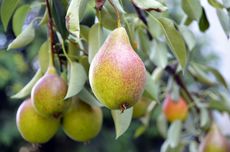 Pear Trees And Cold: Learn About Pear Chill Hours For Fruiting
Pear chill hours for fruiting must be met or the plant will not bud and flower. This makes it important to select trees with chill hours that reflect your zone. The minimum pear chill hours should be reflected on the plant tag along with its hardiness zone. Learn more here.
-
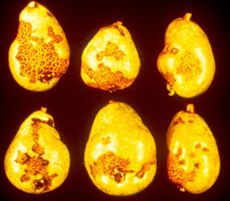 Pear Scab Control: How To Treat Pear Scab Symptoms
Fruit tree disorders like pear scab disease can rob our plants of their vitality and health. Pear scab affects both European and Asian pears. An annual program and careful management can minimize the damage from this common disease. This article will help.
-
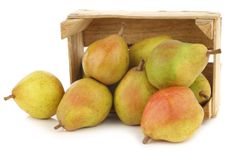 What Are Comice Pears: Learn About Comice Pear Tree Care
Considered the “lookers” of pear varieties, Comice pears are used in gift boxes at Christmas time, earning the nickname “Christmas Pear.” If you’re thinking of growing your own Christmas pears by planting Comice pear trees in your backyard, click here to learn more.
-
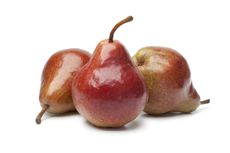 What Are Red Bartlett Pears: Tips For Growing Red Bartlett Trees
What are Red Bartlett pears? Imagine fruits with the classic Bartlett pear shape and all that wonderful sweetness, but in hues of blazing red. Red Bartlett pear trees are a joy in any garden, ornamental, fruitful and easy to grow. For tips on how to grow red Bartlett pears, click here.
-
 Pear Stony Pit Prevention: What Is Pear Stony Pit Virus
Pear stony pit is a serious disease that occurs in pear trees around the world. Unfortunately, there are no options for treating pear stony pit virus, but you may be able to prevent the disease from occurring. Click this article to learn about pear stony pit prevention.


