Help Backyard Birdies Survive the Winter – Make a Bird Charcuterie Board With Ingredients You Already Have in the Pantry
Looking for a novel approach to high-energy winter bird feeding? Here’s how to embrace the "chirp-cuterie" approach to backyard bird feeds with a creative and nutritious platter your local wildlife will love


Bird feeding brings us closer to joy every day, even in the heart of winter – but I’ll admit it’s easy to get into a bit of a rut with our approaches, and hey, life will get in the way. But while we’re sitting out the last weeks of what feels like an endless winter, so are our birdie pals – and for them, bird feeding never stops being an adventure.
This later stage of winter (what I call the dregs) can be genuinely tough on birdies. Natural food sources are frozen, running low, or disappeared altogether, just as their energy needs are peaking in response to weather extremities and pre-seasonal activity. So it’s vital to be constantly revisiting the way we sustain our little garden companions and make sure we’re giving them the best possible attention.
While certain bird feeding essentials are make-or-break for visiting wildlife, that’s not to say we have to be formulaic with presentation. I’ve been recently encouraged by a more free style approach, referred to as the “bird charcuterie” (aka “chirp-cuterie”) movement, which has been doing the rounds. Having seen this lovely bird charcuterie board trend shared on Youtube, I’ve been inspired to show you how easy it can be to create your own bird-friendly food platter to keep wildlife happy in winter.
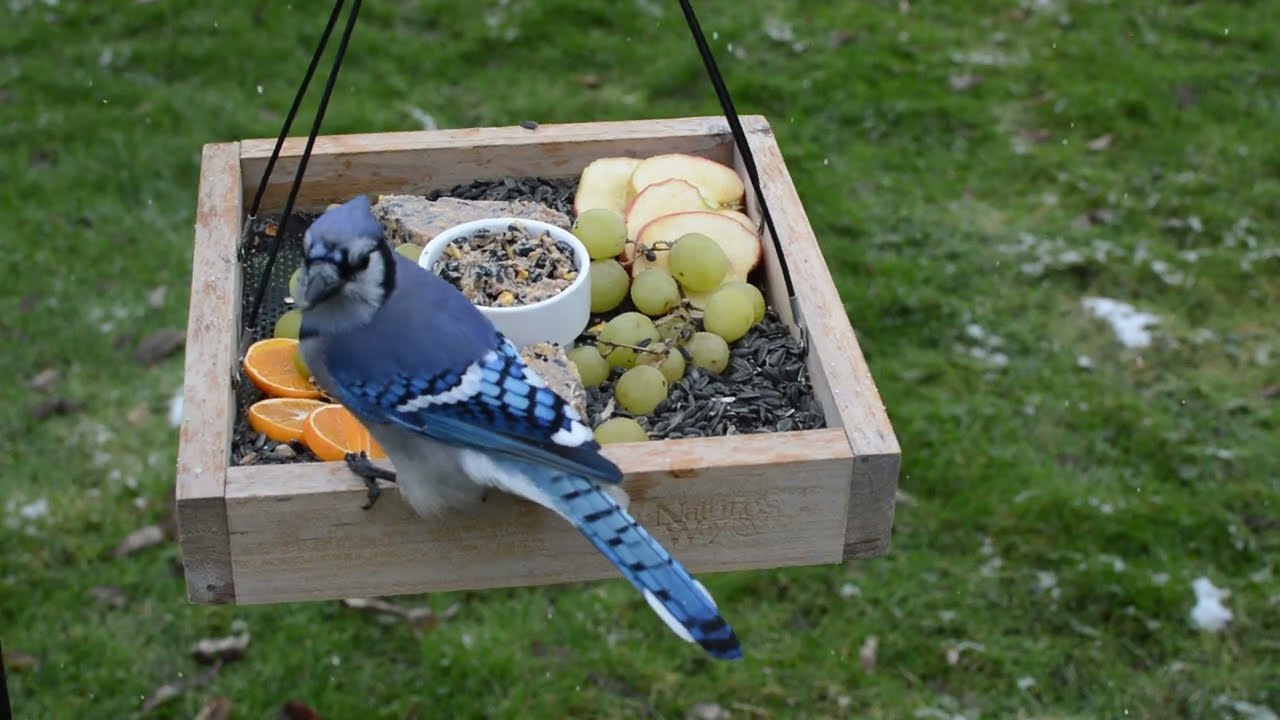
Why Charcuteries Work for Birds
Yes, they’re sweet and charming. But the real magic of a bird charcuterie board is the open design. Tube feeders often require a specific perching skill set, whereas a flat platter removes the barrier to entry. This accessibility is hugely beneficial when birdies need to conserve energy. They can drop in, hop off, refuel and head off without issues. By laying out a diverse spread of textures and colors, you’re tapping into the natural inquisitiveness of your garden pals. Birds are visual creatures, and a "chirp-cuterie" board acts like a vibrant roadside diner to get birds flocking to your yard.

This platter-style approach acknowledges that one size definitely doesn't fit all when it comes to our feathered friends’ winter cravings. Each bird species has its favorites, even in winter when times are tricky. By offering a smorgasbord for winter bird watching, you’re inviting a broader guest list to the party. While some birds crave high-fat suet, others enjoy fruit or specialized seeds. This variety mimics the natural foraging patterns they would experience in the wild. A charcuterie board for birds is also the perfect way to cater to pickier eaters of the sky.
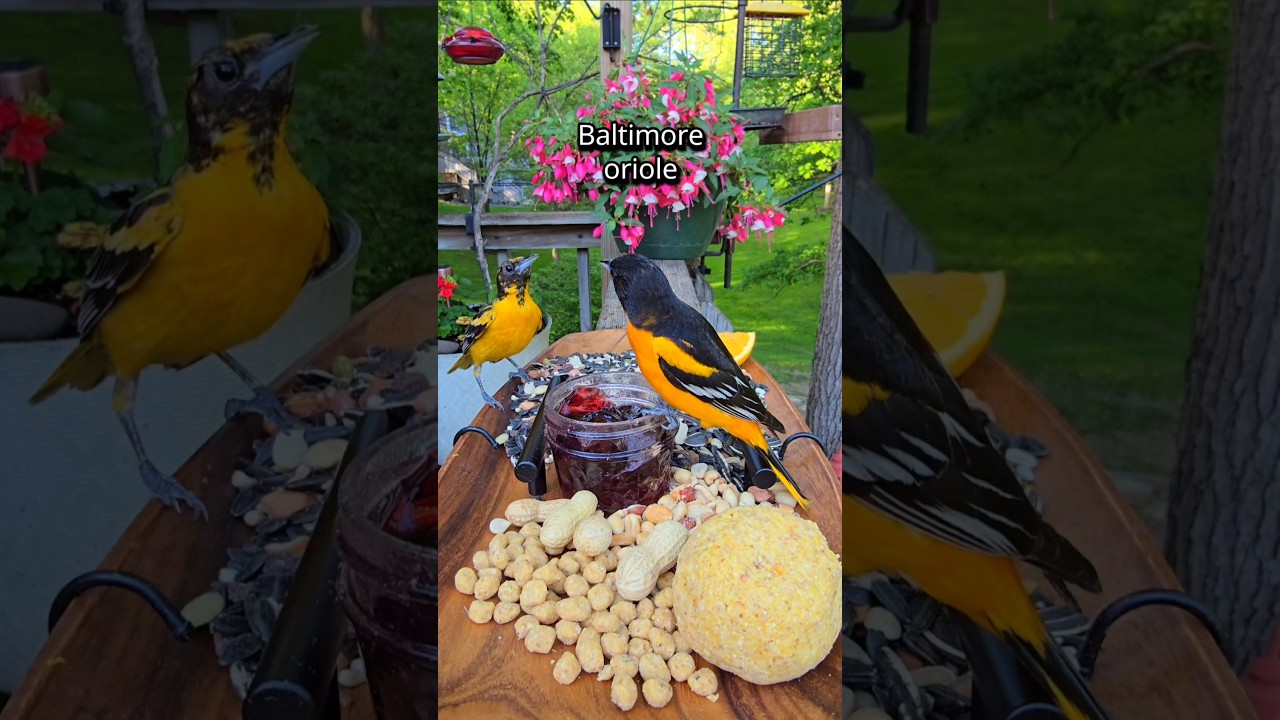
A northern cardinal might be hunting for chunky sunflower seeds, while a blue jay will be tempted by peanuts, and you might attract a Baltimore oriole with brightly colored fruit. Adapting a charcuterie mindset means there is something on the menu for a broader range of birds to help them through the cold nights ahead. And of course, for us, it’s a front-row seat to a lively social mixer, allowing us to observe different species interacting in one inspired shared space.

Steal the Look and Make Your Own
It’s easy (and really good fun) to create your own chirp-cuterie. You don’t need loads of specialized kit for these winter-friendly bird charcuterie board ideas. The most inviting platters will incorporate elements of what you have to hand. It’s all about combining household staples with a few high-quality extras to create a balanced meal. All it takes is a few odds and ends, a bit of creative thinking, and a love for your local songbirds to turn a winter afternoon into a five-star feeding event. Here we'll explore how to put together your own with a combination of nibbles and serving tray options.
1. Easy Charcuterie Nibbles

By raiding your own pantry for unsalted nuts and dried fruits, you’re already halfway to a masterpiece. When you supplement kitchen finds with targeted wild bird mixes, you create an easy and bespoke dining experience for your backyard visitors. The beauty of a "chirp-cuterie" board is the playful mix of textures and flavors that satisfy both the tiny, acrobatic foragers and the larger, bolder backyard visitors.
For winter bird feeding, focus on high-energy fats and proteins. Good pantry pickups include unsalted peanuts, sunflower hearts like Audobon Park Sunflower Hearts from Amazon, and raisins, all staples that provide immediate healthy fats and natural sugars. To this, add high-quality black oil sunflower seeds and tiny, oil-rich nyjer seeds, which are like gold for finches and chickadees. If you have apples or pears that are looking a bit soft, slice these up. These fruits provide vital moisture and vitamins, and also serve as a bright, visual lure.

For northern cardinals and blue jays, bigger bites are the way to go. Incorporate whole peanuts (in the shell) for a bit of a challenge, and dot the board with suet balls or suet treats like C&S Wildbird Peanut Suet Nuggets from Amazon. A halved orange is a flash of delight for a passing oriole or a gray catbird. For a lush extra, try a dollop of natural grape jelly or Songbird Essentials Bird Berry Jelly, available from Amazon, to add to your nutrient-dense mosaic of goodies.
Round out your birdie charcuterie with specialized wildlife blends that offer variety in a single scoop. Mixes like Kaytee Nut and Fruit Wild Bird Seed from Amazon, ensure even the pickiest eaters find something to love. For crunch, sprinkle in some Kaytee Wildbird Mealworms from Amazon, a protein-packed favorite for bluebirds and chickadees. This combination of pantry perks and special extras will prove an irresistible draw.
2. The Perfect Platter

The base for your bird charcuterie needs to strike a balance between a high-end serving tray and a safe, sturdy perch. While a rustic wooden board looks stunning, it’s best to stick to non-porous or coated woods that won’t absorb moisture and harbor bacteria. Make sure your platter of choice has a lip or raised edge. This will keep carefully arranged nibbles from blowing away, and provides a comfy foothold for little birds to grip while they dine. Texture matters, too. A natural finish is better than a slick, polished surface, making the feeding experience feel safer for birds.
Consider how you’ll support your platter. If you're placing a tray on a deck railing or a garden stump, you can secure it with a mini bungee cord like SmartStraps Bungee Cord from Lowe's to ensure a sudden gust of wind (or a heavy blue jay) doesn't upend the feast. Within the tray itself, you can create structure by placing small ceramic dishes or ramekins for messy items like grape jelly or mealworms, then arranging larger nuts and suet nuggets around them. This creates a multi-dimensional look that is as organized as it is inviting.

If you aren’t the DIY type, there are fantastic ready-made options available. Look for a hanging platform bird feeder like Nature’s Way Wood Hanging Platform Feeder from Lowe’s for a floating look. Additionally, try a ground tray feeder with mesh drainage like Mizxxidea Ground Bird Feeders from Amazon for ground-feeding juncos. Also, this Standing Bird Feeder Tray from Amazon can act as a gorgeous centerpiece for your backyard viewing, and is big enough for a mini platter approach. Just ensure your platform has no rough edges and is easy to take apart for cleaning.
Adapting Your Birdie Charcuterie

Feeding birds in winter this way is just the start. Once spring arrives, make sure your bird charcuterie can evolve alongside the changing needs of your guests. While winter is about high-calorie fats and suet to keep birds warm, spring shifts the focus toward protein-rich foods and nesting support. As seasons shift, why not garnish boards with sprigs of serviceberry, elderflower and honeysuckle? You can even tuck in small bundles of dried moss to help birds gather nesting materials.
To keep the look fresh, don’t be afraid to get creative and evolve your arrangement. A vintage tiered cake stand or an upcycled wooden serving platter can give your bird station an elegant shabby-chic element. And remember, while your charcuterie board is a fantastic centerpiece, it works best as part of a broader feeding station.
Supplement with a Kingsyard Squirrel Proof Tube Feeder from Amazon for the finches and sparrows, or for something a little fancier, the American Furniture Classics Tubular Glass Squirrel Resistant Feeder from Lowes. By mixing your "chirp-cuterie" with traditional hopper and tube feeders, cling-feeding woodpeckers and ground-feeding juncos can join the party, ensuring your yard is the most popular on the block.
Don’t Forget – Winter Bird Care

While we love watching our birds feast, keeping them safe is key. Don’t forget these core essentials for happy and healthy backyard birdies:
- Keep it clean: Because flat boards encourage different species to mingle in close proximity, they can become hotspots for diseases like trichomonosis. To keep your backyard sanctuary a healthy one, clear away any damp or soiled food daily. A deep clean once a week is key for any flat-surface feeder. A simple solution of Iberia All Natural Distilled White Vinegar from Amazon works wonders. It’s biodegradable, breaks down grease, and dries odorless.
- Smart hydration: Fresh water is critical for drinking and to help birds keep feathers clean. Use a shallow basin like the Best Choice Vintage Pedestal Bird Bath from Amazon. To prevent your water station freezing over, try floating a tennis ball or a rubber duck in the water. The constant movement from even the slightest breeze helps break the surface tension and delay ice formation.
- Safe passage: Birds need a quick escape route from predators and a shield from biting winds. Planting native evergreen shrubs like American holly, Eastern red cedar, or inkberry provides year-round cover and extra foraging opportunities.
During severe weather, check your water and food levels twice daily. A consistent, clean supply is often the difference-maker for birds trying to survive a tough winter stretch. And remember, once you’ve established your charcuterie board as a reliable food source, consistency is key. Birdies will depend on your unique diner, so try to maintain a steady routine, with twice-daily refills from now to early spring.

Winter Bird Essentials
Now you’ve got your birdie charcuterie board covered and you’re on a roll, check you’ve got these staples sorted for the happiest feathered guests:

Something special for your birdies, this charming copper rain catcher has 8 large cups for collecting water for your feathered chums and it looks really pretty twinkling in the garden.

While there’s still a chance of late winter frosts nipping at your nose, make sure your bird bath water doesn’t ice over with this family of sweet floating ducks in bird-friendly pastels (and small enough not to disturb birdies).

These adorable handcrafted bird houses are unique and highly decorative, yet wholly practical and comfortable for birds. They are weather resistant and are great for a range of small birds.
Need more ideas for timely bird-friendly garden ideas and seasonal expert advice delivered straight to your inbox? Sign up for the free Gardening Know How Newsletter!
