






Did You Know You Have a Birth Month Weed? Here’s the Surprising Trait It Reveals About You
From dandelions to clover, these common weeds are tougher than they look – and your birth month match might just reveal why you are too.


Birth flowers might get all the attention, but there’s a wilder, more unexpected way to look at your personality: your birth month weed.
Often overlooked – or, y'know, pulled up without a second thought – these resilient plants have a lot to say about adaptability, persistence, and thriving against the odds, making them every bit as important for figuring out your connection to the natural world as your birth month bird.
Unlike carefully cultivated blooms, weeds don’t wait for perfect conditions. They show up where they’re not invited, push through cracks, and keep coming back no matter what. And just like people, those strengths can come with a flipside.
Say Hello to Your Birth Month Weed
From fiercely independent to a little bit stubborn, each birth month weed reflects both a strength – and a trait that might occasionally get you into trouble. A little like the cooler, punkier sister of the classic birth month flower, if you like.
So what does your birth month weed reveal about you? Let's dive on in...
January – Chickweed

Born in January? Your birth month weed is chickweed, which makes a lot of sense as, much like it, you’re adaptable and quietly resilient, and able to thrive in overlooked spaces. Now, you and your soul weed also have a knack for making the most of overlooked opportunities (think about it: it's edible and surprisingly nutritious, proving that usefulness doesn’t always come with flashiness).
The flip side? Because you’re so good at fitting in wherever you land, you can sometimes spread yourself too thin, saying yes to too much and struggling to set clear boundaries.
February – Mullein

You’re resilient, self-sufficient, and quietly striking. Like mullein, with its tall, architectural spikes of soft yellow flowers, you have a way of standing out without demanding attention, often thriving in tough or overlooked conditions.
That being said, that strong, independent nature can sometimes make you seem a little distant, and you may prefer going it alone rather than letting others in. Be aware.
March – Dandelion

March babies, you’re optimistic, determined, and impossible to keep down. In fact, much like the bold, bright dandelion, you have a remarkable ability to bounce back from setbacks and keep growing, no matter the circumstances. It’s also one of the earliest food sources for pollinators and entirely edible, showing that strength and generosity often go hand in hand.
The downside? You and your birth month weed's free-spirited nature can sometimes come across as a little scattered, and you may resist structure even when it would help you thrive.
April – Creeping Charlie (Ground Ivy)

Listen up, April-born gardeners; you’re persistent, determined, and incredibly hard to ignore. Like creeping Charlie, you and your birth month weed have a talent for establishing yourself wherever you go, spreading steadily and making your presence known. It’s also valued by pollinators for its early flowers, proving that even the most underestimated plants have their place.
The flip side? That same tenacity can make you a little stubborn, and once you’ve made up your mind, it can be difficult for others to sway you.
May – Clover

Born in May? Then you’re grounded, dependable, and bring a sense of calm wherever you go. Like clover, you enrich the environment around you – literally, in its case, by fixing nitrogen in the soil and supporting pollinators. You’re someone people rely on, creating stability and balance in your relationships and surroundings.
However, just like your birth month weed, your love of comfort and familiarity can sometimes hold you back, making you hesitant to take risks or step outside your comfort zone.
June – Plantain (Plantago)

If your birth month weed is a plantain, then you’re steady, practical, and quietly supportive. This humble but powerful plant is often found underfoot, but it's known for its soothing, medicinal properties, and acts as a reminder that strength doesn’t have to be loud to be effective.
The downside? You can end up putting everyone else’s needs ahead of your own, leaving little time or energy to focus on yourself. Try to be aware of that.
July – Purslane

Born in July? Packed with nutrients and surprisingly versatile, your birth month weed is purslane, an incredibly hardy plant that flourishes in heat and poor soil. Just like it, you know how to make the most of any situation., as you’re resourceful, resilient, and thrive where others struggle.
The flip side? Your self-reliant nature can sometimes make you guarded, and you may find it difficult to trust others or ask for support when you need it.
August – Lamb’s Quarters

You’re vibrant, generous, and full of quiet confidence. Like lamb’s quarters – often called wild spinach – you bring nourishment and value wherever you grow, even if not everyone recognises it at first. It’s highly nutritious and grows abundantly, showing that sometimes the most overlooked things are the most beneficial.
That being said, your tendency to give so much can leave you stretched thin, and you may struggle to prioritise your own needs.
September – Self-Heal (Prunella vulgaris)
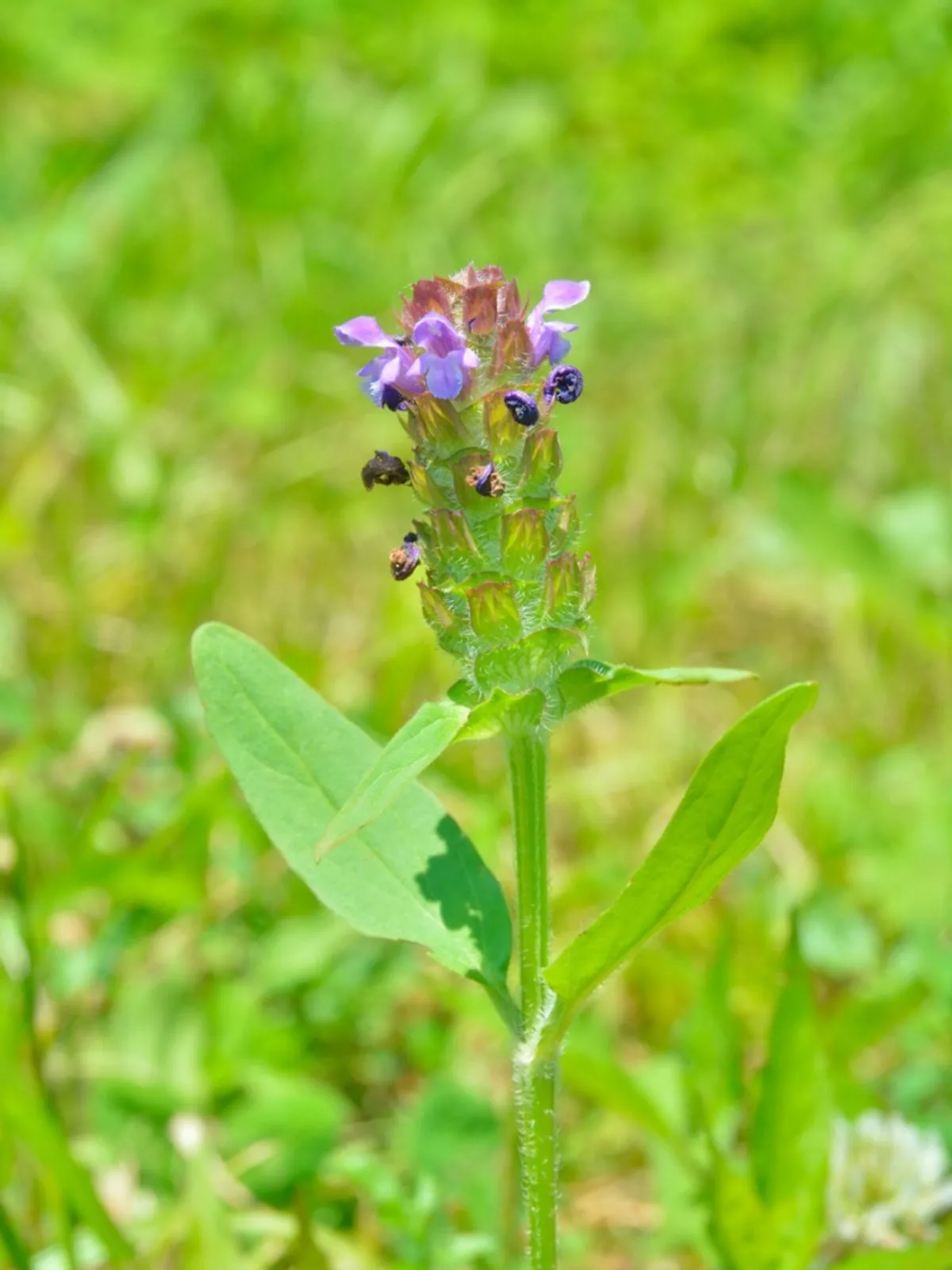
The clue's in the name with this birth month weed. You’re intuitive, calming, and naturally restorative, just like self-heal, a low-growing plant with a long history in herbal medicine. As such, you have a quiet ability to support and uplift those around you.
This one is also loved by pollinators, adding gentle beauty and balance to the spaces it inhabits. The downside? You may focus so much on helping others that you neglect your own wellbeing, taking on more than you should.
October – Thistle

Despite this birth month weed's prickly reputation, the thistle is incredibly valuable to wildlife, especially pollinators, proving there’s softness beneath the surface. And, with its striking flowers and sharp defences, it's strong, protective, and fiercely independent – just like October babies everywhere.
While you know how to look after yourself and those close to you, though, those protective instincts can sometimes come across as guarded or unapproachable, making it harder for people to get close.
November – Wild Violet

November babies tend to be thoughtful, perceptive, and quietly creative, just like wild violets. These birth month weeds bring subtle color to unexpected places, highlighting the way people born under their influence tend to notice beauty that others might miss. These delicate flowers also support pollinators, showing that even small contributions can have a meaningful impact.
It's a humdinger of a soul weed, basically. Even if it means you may retreat inward when things feel overwhelming, finding it difficult to express your needs or speak up.
December – Shepherd’s Purse

Born in December? Like shepherd’s purse (a plant that thrives in disturbed soil and challenging conditions) you have a remarkable ability to adapt and carry on. With a long history of traditional use, it’s a reminder that strength often lies in persistence.
Still, while it indicates that you’re resilient, resourceful, and quietly enduring, your birth month weed can suggest that you can sometimes hold onto things longer than is helpful, even when it’s time to let go.
A Little Extra Reading:

Not one but two beautifully written explorations of Indigenous ecological knowledge and reciprocal relationships with plants.

This book lays out the steps we need to take to survive in an era of climate collapse, threatened foodways, and urgent unsustainability.

A brilliant outline of 75 diverse women whose lives and work center on plants, from gardeners to researchers and advocates.
Look, weeds might not have the best reputation, but many of them play an important role in supporting pollinators, improving soil, and even offering nutritional benefits. So before you pull them up, it might be worth taking a closer look.
Honestly? Your birth month weed could be doing more good than you think.
