How To Take Care Of Container Herbs During Cold Weather

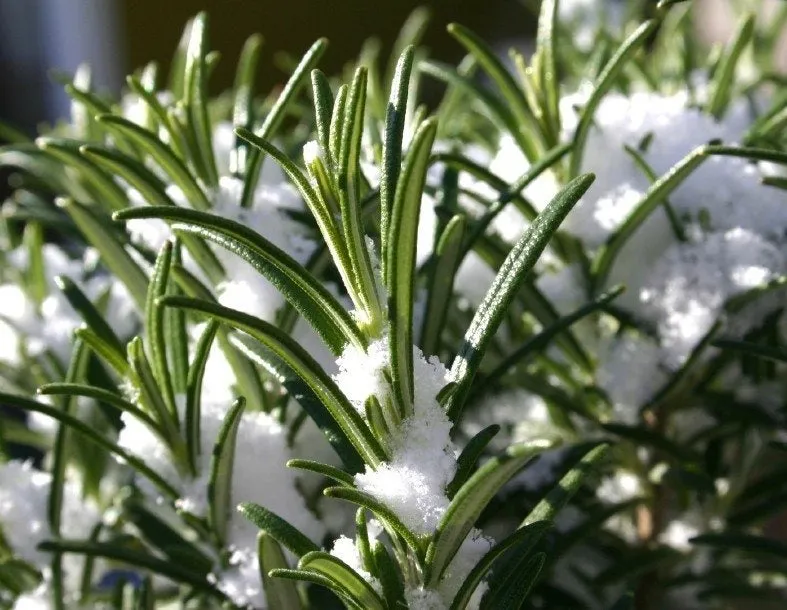
Many people these days are opting to grow herbs in containers rather than in the ground. The reasons can range from lack of space or being an apartment dweller to just liking the convenience of a container garden. Most people know that herbs will do quite nicely in containers throughout the summer months, but when cold weather comes, they are unsure of how to take care of their container grown herbs.
Container Herb Care in Cold Weather
When the weather starts to get cold, the first thing to decide is whether you will be keeping your herbs inside or outside. This decision is not an easy one due to the fact that either choice holds both pros and cons. If you decide to leave them outside, they'll be at risk to be killed by the cold and wet. You will need to take certain steps to ensure that your herbs are well protected and able to survive the weather. However, if proper steps are taken, a container grown herb plant will be just fine. Next thing you need to consider is if your herbs are able to survive outside in your particular climate zone. Normally, your herb plant will only survive being left outside if it is suitable for zones at least one zone lower than your own. For example, if you have a rosemary plant and you live in USDA zone 6, then you probably don't want to leave it outside, as rosemary plants are only perennial to zone 6. If you live in zone 6 though and you want to leave your parsley outside, it should be fine, as parsley survives to zone 5. Next, make sure you store your container herbs in a sheltered place. Up against a wall or tucked in a corner is an excellent place. The walls will retain some heat from the winter sun and will increase the temperature some during the cold nights. Even a few degrees can make a huge difference to stored plants. You also want to make sure that your container herbs have excellent drainage wherever you store them. Many times, it is not the cold that kills a container plant but a combination of cold and moisture. Well-drained soil will act like an insulator for your plants. Wet soil will act like an ice cube and will freeze (and kill) your plant. That being said, don't put your herb containers somewhere that will not get any precipitation. Plants don't need much water during the winter months, but they do need some. If possible, add some kind of insulating material around your pots. Covering them with a pile of fallen leaves, mulch, or some other material will help to keep them warm. If you find that you have plants that won't survive outside and you don't wish to bring them inside, you may want to consider taking cuttings. You can root these during the winter and by spring they will be healthy plants ready for you to grow them. Keeping your container grown herbs outside may be a little more work, but it is an excellent way to save both plants and money from year to year.
Sign up for the Gardening Know How newsletter today and receive a free copy of our e-book "How to Grow Delicious Tomatoes".

Heather Rhoades founded Gardening Know How in 2007. She holds degrees from Cleveland State University and Northern Kentucky University. She is an avid gardener with a passion for community, and is a recipient of the Master Gardeners of Ohio Lifetime Achievement Award.