Planning Guide For Organic Gardens: Ten Tips For Organic Gardening
A healthy organic garden is easy to accomplish if you know the basics of gardening. It takes only a bit more effort to grow organically than it does to use chemical pesticides and herbicides. Keep reading for some organic gardening tips every gardener can use.
Planning Guide for Organic Gardens
Everyone can benefit from a planning guide for organic gardens. For this reason, I've outlined ten organic gardening tips to get your organic garden off to the right start.
- A successful organic garden begins with soil. There is a vast difference between soil and dirt. Nothing other than hearty weeds grow in dirt. A good organic gardener will do everything possible to improve his or her soil for the greatest possible yields.
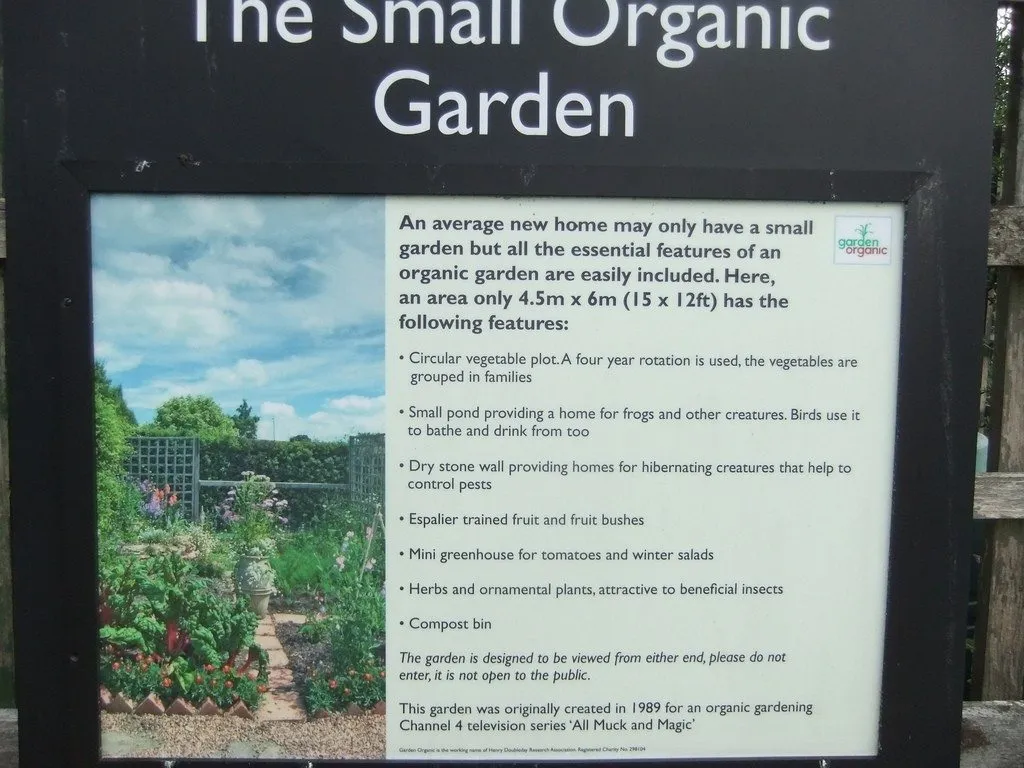
- Start a compost bin today. This bin doesn't have to be elaborate. Just select an area and begin collecting organic matter such as grass clippings, leaves, and food waste. If desired, a bin can be made out of woven wire, pallets, or even a fifty-five gallon barrel. Contribute to your compost bin daily.
- Have your soil tested and add the proper organic fertilizer. Organic fertilizers include fish emulsions, seaweed extracts, bone meal, and compost. Make your soil as rich in nutrients as possible. If needed, buy topsoil from your local garden center to make your soil the best it can be. In extremely rocky or clay soil areas, using raised beds can make all the difference.
- Choose healthy plants and viable seeds to plant. If you begin your plants from seed, be sure to thin out the plants for optimal growth. If starting from purchased plants, be sure the plants are strong and healthy. Choosing heirloom seeds and plants will allow you to save seed from one year to the next from the best of the season's crop.
- Research and learn about companion planting. Certain plants grow well together in a symbiotic relationship. For instance, marigolds will attract the aphids away from your tomato plants. There are many articles on the net that will help you learn more about designing organic gardens like this.
- Guarantee that your organic garden has enough water. Plants need lots of moisture, and sometimes nature doesn't provide enough. Be sure when selecting your garden area that water is available for those long, hot, and dry summer days.
- Use mulch wherever possible in your garden. Mulching will help your garden to retain moisture and will help prevent weed growth. Pull all weeds before they have an opportunity to take over.
- Use organic herbicides when needed. Doing so can be as simple as spraying a pepper/water blend or organic soap mixture on the plants to kill the bugs. The soap mixture has the added benefit of reducing the chance of diseased plants. Another alternative is to use netting to protect the plants from insects and small animals.
- Pull plants once they stop producing. Add the plants to your compost bin for next year. Once the plants are no longer bearing fruit, removing them will help maintain the nutrients in the soil, discourage pests, and help prevent disease.
- Purchase a good organic gardening book. The Encyclopedia of Organic Gardening, published by Rodale Press, is a good choice, but an Amazon or Barnes and Noble search will uncover many others. These books will educate you and will be invaluable when dealing with a particular pest or problem in your organic garden.
Designing organic gardens is easy with a little planning. Follow these organic gardening tips and enjoy the bounty and benefits that go along with it. Organic gardening guarantees you healthier food than what is normally found in your local supermarket. By growing vegetables yourself, you save money by not having to purchase organic from the health food store at relatively high prices. Plus, you also receive the benefit of knowing that you are providing yourself and your family with the best produce there is-- chemical-free and delicious.

