
-
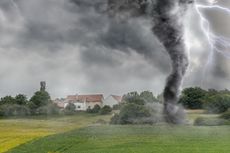 Tornado Proof Gardening – How To Protect Your Garden From A Tornado
By choosing wind-resistant trees and taking proper care of those trees will go a long way toward garden tornado protection. Advance warning of an approaching tornado may also allow time to remove potential airborne items. Click here to view other tornado proofing ideas.
-
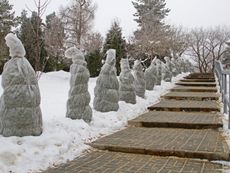 How To Protect Outdoor Plants In Winter
Protecting plants in winter can help prevent winter scald, frozen roots, foliar damage and even death. Cold weather plant protection takes a little pre-planning, and this article will help.
-
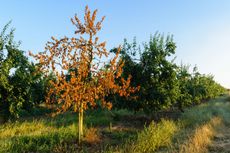 Why Plants Don’t Grow – What To Do When Plants Won’t Establish
Anytime you move a plant, it causes stress. Sometimes, though, a plant won’t establish and instead of thriving, it declines. For information on reasons why plants fail to establish, click on the following article.
-
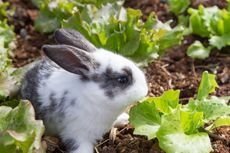 Plants Toxic To Rabbits – Learn About Plants Rabbits Can’t Eat
Rabbits are fun pets to have but require specific knowledge of the animal, including dangerous plants, especially if your rabbit is allowed to roam about the yard. To learn what garden plants are harmful to rabbits, click this article.
-
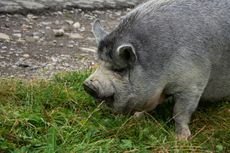 Plants Pigs Can’t Eat: Information On Plants Harmful To Pigs
If you happen to have a pet pig or if you raise pigs as livestock, don’t assume that the same toxic plant list applies. What is poisonous to pigs? Plants harmful to pigs don’t always kill them. Click here for a list of plants that are toxic for pigs and those that will make pigs sick.
-
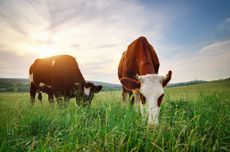 Bad Plants For Cattle – What Plants Are Toxic To Cows
Keeping cows is a lot of work, even if you have just a small farm with a herd of a few cattle. There are plenty of plants cows shouldn’t eat, and if you are going to have any amount of cattle, you need to know what they are. This article can help with that.
-
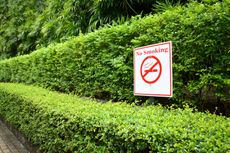 Plants And Smoking – How Does Cigarette Smoke Affect Plants
For smokers who love their indoor plants, a concern one may have is what impact secondhand smoke can have on them. Houseplants are often used to keep indoor air cleaner, but can plants filter cigarette smoke? Learn more about plants and secondhand smoke here.
-
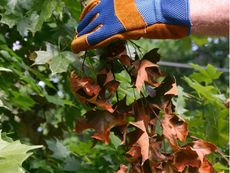 Patches Of Brown Leaves On Trees - Fall Color, Cicada Damage Or Something Else?
Read on for more information about cicada branch damage and the many other potential causes of brown leaves on trees.
-
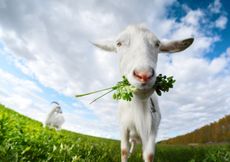 Plants Goats Can’t Eat – Are Any Plants Poisonous To Goats
Goats are famously known for being able to eat almost anything, but are there any plants poisonous to goats? There are actually quite a number of plants toxic to goats. Click this article to learn what plants goats should avoid.
-
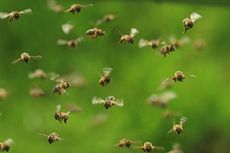 Flowers Toxic To Bees: What Plants Are Poisonous To Bees
Bees are vital for plant pollination. Bee friendly gardens are a great way to support the population of these pollinators. However, did you know some plants are actually toxic to bees? To find out more about flowers harmful to bees click here.
-
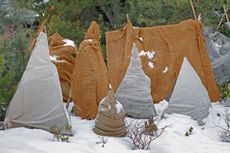 Overwintering Plants In High Wind Areas: Protect Plants From Winter Winds
As winter approaches, some gardeners wonder how to best protect perennial plants from swings in temperature. While frigid winter temperatures are obviously an issue, considering wind and overwintering of plants will also be of great importance. Learn more here.
-
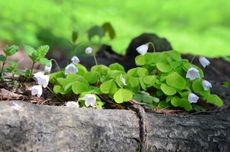 Erosion And Native Plants – Why Are Native Plants Good For Erosion
There are many native plants good for erosion and, once established, they will need little maintenance and are tolerant of the conditions in the site. Building an erosion proof plan starts with a list of some of the best native plants for erosion control. This article will help.
-
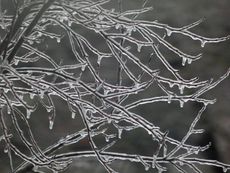 Dealing With Ice On Plants: What To Do For Ice Covered Trees And Shrubs
Following a near miss from a fallen iced-over tree branch, we had gotten very lucky. Ice damage on large trees can cause severe damage to homes, cars, power lines, and plants. Click here to learn more about caring for plants after an ice storm.
-
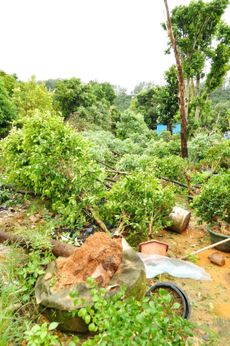 Hurricane Damaged Plants And Gardens: Saving Plants Damaged By Hurricane
When hurricane season is upon us again, one part of your preparation should be preparing the landscape to withstand hurricane plant damage. This article explains how to prevent damage and what you can do to help damaged plants recover.
-
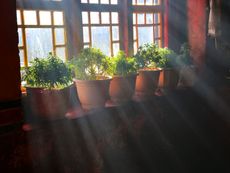 How Light Affects The Growth Of A Plant & Problems With Too Little Light
Why do plants grow with light? What kind of light do plants need? Do all plants need the same amount of light? How can I tell if my plant is having problems with too little light? Read here for more info.
-
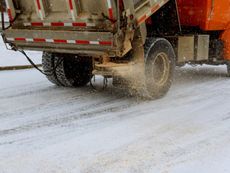 Salt Damage In Winter: Tips For Repairing Winter Salt Damage On Plants
When living close to a major road or even de-icing your own driveway, it?s inevitable that some of your border plants will suffer from salt injury. Luckily, there are several ways to protect your valuable plants this winter. Click here for more information.
-
 No Flowers On A Plant: Why A Plant Does Not Bloom
Getting a plant to flower can sometimes seem like a daunting task. If you find that you have no flowers on a plant, the cause is usually related to a number of issues that can be found in this article.


