






These 7 Plant-and-Forget Container Combinations Thrive On Neglect and are Perfect for Effortless Gardening
Container gardening that you can set and forget? It’s not as far-fetched as it sounds, and these 7 gorgeous container ideas give joyful color and texture with minimal effort


Love plants, but don’t love the endless cycle of deadheading, feeding, and worrying? You aren’t alone. In our fast-paced world, the ultimate dream is a lush, soul-soothing we can enjoy – without the work we could do without. Enter the "plant and forget" philosophy which favors curated resilience over high-maintenance divas. These easy plant combination ideas for container gardens are designed to find their own rhythm in a range of settings, zones and sizes, so you can sit back and enjoy the view.
Container gardening is often unfairly pegged as high maintenance, since pots dry out faster than garden beds. However, by selecting key backyard heroes that are naturally drought-tolerant or shade-resilient, you can flip the script and indulge in gorgeous containers with minimal effort. The key is to choose plants that work well together, which tolerate and even thrive on neglect. Start in early spring to give these easy containers plenty of time to develop lush summer growth.
By planting while the spring air is still cool, you allow these pot-based stalwarts to establish robust root systems before the heat arrives. The result? Dazzling, high-impact focal points with near-effortless charm and minimal requirements. Start these plant-and-forget container combinations now for joys that last all summer long!
Perfect ‘Plant and Forget’ Containers
To truly master the "set and forget" style, choose large pots and planters that are sturdy and weather-resistant. The greater the volume of soil, the longer it retains moisture, meaning fewer trips with the watering can. Look for non-porous materials like glazed ceramic or high-quality resin, which prevent water from evaporating through the sides. Critically, ensure every pot has ample drainage holes, and if needs be, make sure containers are raised with pot toes, like Choclaif Pot Feet for Outdoor Plants, available from Amazon.
When combining “plant and forget” candidates, choose plants that are compatible in terms of growing needs. This means pairing species with identical needs for light, water, and soil type. While annuals provide instant gratification, incorporating colorful perennials helps you play the long game for genuine low maintenance. Many of these low maintenance container plants will return year after year, saving you the effort of replanting every spring. Focus on plants that are hardy across most USDA zones (usually 4-9) and known for their rugged, pest-resistant nature.

Success with plant and forget containers really starts from the bottom up. Use a high-quality, peat-free potting mix enriched with a slow-release fertilizer like Osmocote Smart Release Plant Food, also from Amazon, for steady care over an extended period. When planting, leave about two inches (5cm) of space at the top of the pot to allow for a layer of mulching. A simple topping of pea gravel or fine wood chips acts as a thermal blanket, keeping roots cool and locking in hydration. Once planted, give them one good soak, and then let nature take the lead!
1. Silver Sun-Seekers

Silvery beauties like curry plants, nepeta and sea holly work well together because they all thrive in Mediterranean-like conditions: hot, sunny, and dry with poor soil. The silver hue in plants is often a natural adaptation, with tiny hairs or waxy coatings that reflect sunlight and trap moisture.
Curry plant (Helichrysum italicum) is a shrub-like perennial in zones 8-10, but makes a good summer annual in colder climates. It blooms in summer with clusters of small yellow flowers, and emits a spicy, comforting aroma after summer rainfall. Add catmint plants like ‘Walker’s Low’ to provide silver-green foliage and a cloud of lavender-blue flowers for months. Unlike true mint, nepeta (Nepeta spp.) isn't invasive in a pot and requires zero deadheading to stay tidy. Top off with trailing thyme plants like woolly thyme (Thymus pseudolanuginosus), for additional silvery foliage that spills over the sides of the container like a living carpet.
This collection needs very good drainage, and the soil can be poor, rocky, or even sandy. To ensure success, mix a handful of horticultural grit or perlite into your potting soil to sharpen the drainage. Make sure plants get plenty of sun and feel free to let them dry out. You certainly won’t need to water this container very often. You can buy ‘Walker’s Low’ Nepeta plants from Nature Hills.
2. Moody Shade Dwellers

This “forest mix” is ideal for shady spots and under patios or shaded pergolas. These foliage-focused plants need no deadheading, as many container flowers do. Because they rely on leaf texture rather than fleeting blooms, they look finished from April through to first frosts. They also cope well in shade. Start with a medium-sized fern, like Autumn fern (Dryopteris erythrosora), noted for its feathery fronds in unique shades of orange in spring, shifting to green in summer. This is one of the few ferns that can handle periods of dry soil once established.
Add coral bells (Heuchera spp.), a native perennial that does best when planted in spring. For vivid contrast, try ‘Berry Smoothie’ for a bright pink pop, ‘Palace Purple’ or ‘Obsidian’ for a glossy, near-black depth. You can buy ‘Berry Smoothie’ Heuchera from Nature Hills. Heucheras are incredibly resilient in zones 4-9, and as well as their epic foliage tones, you also get delicate sprays of flowers.

Pair with bugleweed (Ajuga reptans), specifically the ‘Black Scallop’ variety. All of these plants tolerate shade, and while they prefer moist soil, they also tolerate some neglect. In very cold regions (Zone 3), substitute Autumn fern with ultra-hardy Ostrich fern. To keep this container looking lush with minimal work, keep it out of the afternoon sun, which can bleach the vibrant colors of the heuchera leaves.
3. Pizza Topper Edibles

How about a kitchen garden in a pot? If you don’t want to choose between beauty and utility, a pizza pot is the ultimate container combo. Like our silver plant pot, this example includes three Italian herbs that thrive in the same Mediterranean garden climate. For the best results, start with established plug plants in April rather than seeds. This gives you an instant harvest and a more resilient pot. Just make sure the container and its potting mix drain well.
Place your rosemary (Rosmarinus officinalis) in the center. Look for the ‘Arp’ variety in a cooler climate (hardy to zone 6), as it is more cold-tolerant than standard rosemary. You can buy ‘Arp’ Rosemary from Burpee for enduring fragrance and robust flavors. Oregano is a classic topping for pizzas, but it is great in any pasta dish with tomatoes, while thyme is delicious with roasted vegetables and meats. For heightened contrast, play with colors and tones, mixing 'Golden' oregano and 'Silver' thyme. The variegated leaves create a mosaic effect that looks professionally designed, but requires only occasional snipping for your dinner.
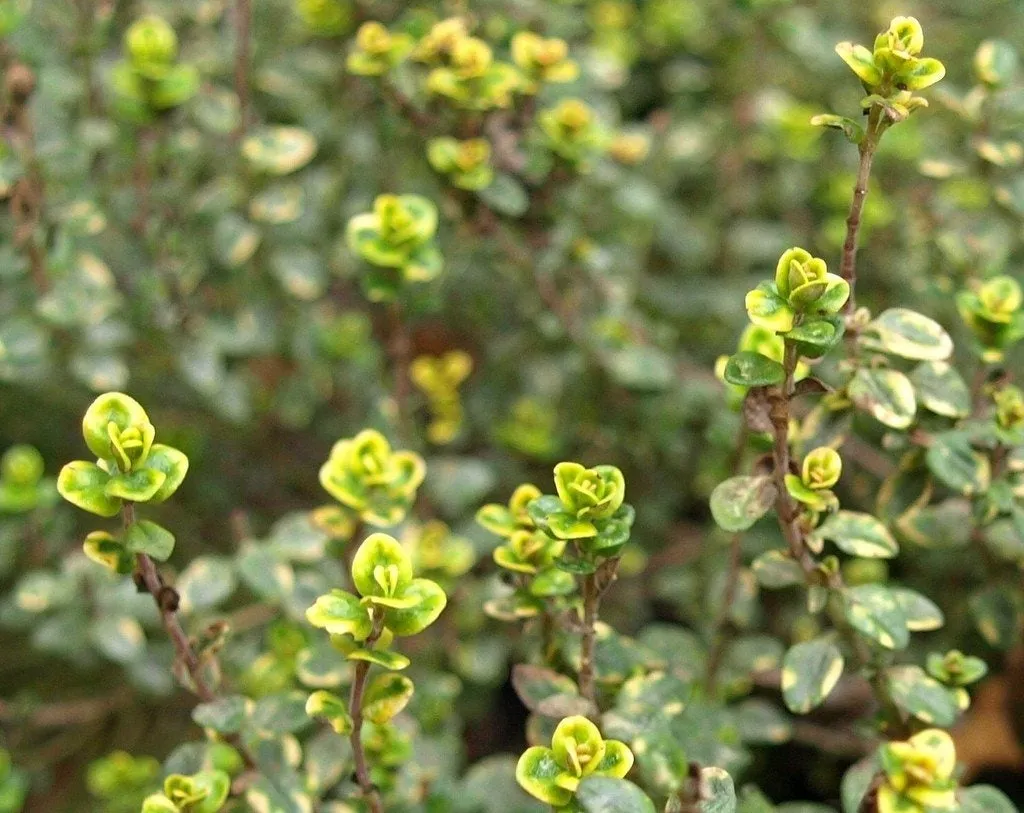
These perennial herbs are native to rocky hillsides and grow in a range of climates but really thrive in the heat of summer. Avoid heavy peat-based soils which hold too much water. Use a cactus potting mix or add 20% coarse sand. This ensures the roots stay oxygenated, so plants thrive even if you forget to water them.
4. Ornamental Grass Moves

Ornamental grasses are often used for borders, but they are also low-maintenance plants for containers. They bring movement and sound to a patio or balcony, rustling gently in the breeze. For a set-and-forget masterpiece that delivers texture and sensory comfort, pair blue fescue (Festuca glauca) with dwarf fountain grass (Pennisetum alopecuroides 'Little Bunny'). Both grow to between 12 and 18 inches (30 and 46 cm) tall.
Blue fescue varieties such as gorgeous ‘Elijah Blue’ stay in a tidy, 10-inch mound of icy blue needles. Meanwhile, ‘Little Bunny’ dwarf fountain grass produces charming bunny tail seed heads in late summer. This duo is exceptionally drought-tolerant and hardy down to zone 4. Unlike flowering plants, these grasses don't need deadheading or fertilizing to look great. They simply need a sunny spot and well-draining soil. Buy Spring Hill Nurseries’ ‘Elijah Blue’ Fescue from Lowe’s.
When planting grasses together, just ensure you don't bury the crowns too deep, as this can cause rot. Just give these grasses good drainage and don’t water them often. They are rarely bothered by pests or deer, making them the ultimate no-worries container combinations for an easy life.
5. Pollinator Power

If you enjoy supporting your local bees and butterflies, coneflower and sedum are two flowers that make ideal container companions. Both need good drainage and full sun, though they can tolerate partial shade. Both plants are North American natives (or cultivars of them). They tolerate drought, too, and don’t need much watering.
This is a delightful, easy pairing, but scale matters. Coneflowers (echinacea) can get pretty large, so choose a dwarf variety like ‘Guatemala Gold’ (yellow), ‘Delicious Nougat’ (white and green), or ‘Piccolino’ (pink). Pair these with a stonecrop sedum like ‘Autumn Joy’ (pink), available from Amazon, or ‘Angelina’ (chartreuse). Sedums are succulents, so they store water in their leaves, making them bulletproof during a summer drought. Coneflowers provide height and nectar, while the sedum acts as a flowering mulch at the base. Buy PowWow Wild Berry’ Coneflower for masses of summer blooms.

Creeping sedums and towering coneflowers makes for a charming mixed-height planting. To prolong the blooming period without constant work, choose reblooming coneflower varieties. Leave the dried seed heads on the coneflowers in late fall, as they make a natural food source for goldfinches and add lovely winter interest.
6. Evergreen & Ever-Easy

These easy evergreen plants take well to containers and offer you year-round color and visual interest. Skimmia (S. japonica) is a broadleaf evergreen with attractive, glossy leaves. It’s great for container living as it only grows slowly. It also makes a charming four-season plant, with fragrant white flowers in spring, deep green foliage in summer, and bright red berries in winter; just ensure you buy a female plant or a self-fertile variety like 'Reevesiana'.
For contrast, add variegated English ivy. The white and green leaves contrast nicely with the skimmia and spill daintily over the edges of a tub or planter. Given its invasive nature, ivy is much easier to manage in a pot. Both plants tolerate minimal care and do well in partial shade. While they tolerate dryness, they will thank you for keeping the soil relatively moist. For added impact, add creeping Jenny (Lysimachia nummularia). Those chartreuse leaves will pop against the darker toned skimmia.

Skimmia prefers slightly acidic soil. Use an ericaceous potting mix to stop leaves turning yellow. Also, while these ever-easy container plants are low-maintenance, these evergreens appreciate a sheltered spot away from harsh, drying winter winds. You can buy ‘Glacier’ English Ivy Plants from Walmart for dramatic icy white edges to offset the verdant contrasts elsewhere in your pot.
7. Touch-Me Textural

This grouping is both easy to care for and a true delight to the senses. We don’t always think about touch when choosing plants, but these container beauties are an enchanting mix of textures. Each of these plants grows well in dry soil, even poor and rocky soil. Full sun is best, and they don’t need to be watered often.
Lamb’s ear (Stachys byzantina) is a low spreader with soft, fuzzy, and silvery leaves. It’s practically impossible to kill, and if you touch it, it feels like stroking a velvet ribbon. You can buy delectably fuzzy ‘Helene von Stein’ Lamb’s Ear from Nature Hills. Pair it with 'Blue Elf' Aloe or a cushion spurge (Euphorbia polychroma) for an alluring contrast in form. Euphorbia is a large genus of succulents, including baseball euphorbia, with a characteristically round shape, and cushion spurge, which grows in clumps and has pretty yellow flower bracts in spring.
Hens and chicks (Sempervivum tectorum) is a hardy succulent, with fuzzy varieties and rosettes of fleshy, pointed leaves. Lively varieties include the coppery ‘Bernstein’ or ‘Morgenrote’ with its red and green edges They require almost no soil to survive. In a pot, they will slowly colonize the surface, creating a living mosaic of rosettes. Sempervivums are cold-hardy to zone 3. They need a period of winter cold to thrive. So avoid the temptation to bring them inside. They are happier staying outside.
Shop Plant-and-Forget Heroes
Even the busiest gardener can enjoy a high-impact display. These hardy performers are the special forces of the container world. They are tough, beautiful, and ready to thrive with practically zero intervention.

Get your bees and butterflies seeing stars with this pretty-in-pink sedum, bursting with hot pink broccoli-style flower heads. A summer stunner!

This compact ornamental grass keeps its cool all summer and only needs a sunny spot and a bit of drainage.

Just because these durable darlings can cope with shade, that doesn’t mean they skulk in the shadows. Get ready for vivacious foliage and pink flowers.
Need more ideas for timely gardening jobs and seasonal expert advice delivered straight to your inbox? Sign up for the free Gardening Know How Newsletter!
