How To Dry Herbs - Various Methods

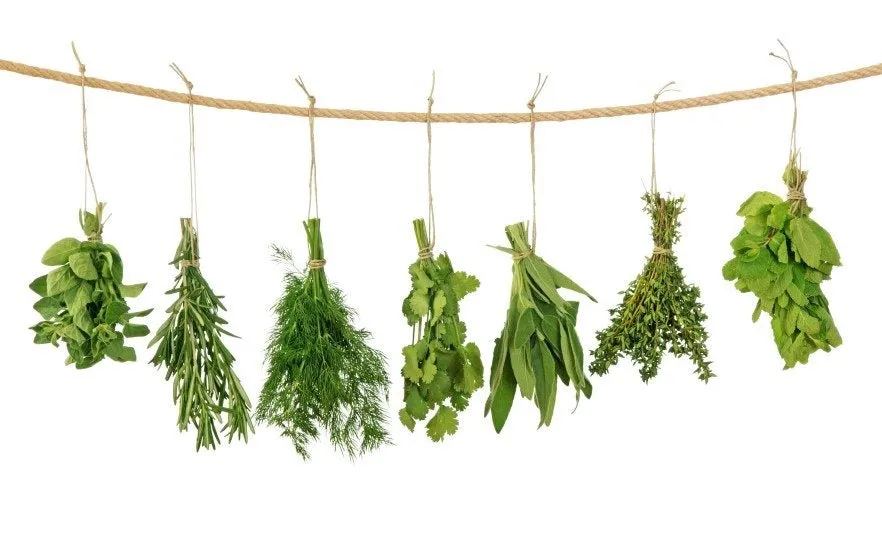
There are various ways of how to dry herbs; however, the herbs should always be fresh and clean beforehand. Read on to learn about herb drying methods so you can choose the right one for you.
Hanging Herbs to Dry
Hanging herbs to dry at room temperature is the easiest and least expensive way of how to dry herbs. Remove the lower leaves and bundle four to six branches together, securing with string or a rubber band. Place them upside down in a brown paper bag, with stems protruding and tie closed. Punch small holes along the top for air circulation. Hang the bag in a warm, dark, area for about two to four weeks, checking periodically until the herbs are dry. This process works best with low moisture herbs like:
Herbs with high moisture content will mold if not dried quickly. Therefore, if you are going to air dry these types of herbs, make certain the bundles are small and in a well-ventilated area. These herbs include:
Oven Drying Herbs
A kitchen oven is often used for drying herbs. Microwave ovens can also be used for quicker drying of herbs. When oven drying herbs, place the leaves or stems on a cookie sheet and warm them about one to two hours with the oven door open at about 180 degrees F. (82 C.). Microwave herbs on a paper towel on high for about one to three minutes, turning them over every 30 seconds. When drying herbs, microwave ovens should be used as a last resort. While microwave oven drying herbs is faster, this can diminish both oil content and flavor, especially if dried too quickly.
Dry Herbs Using an Electric Dehydrator
Another fast, easy, and effective way to dry herbs is to dry herbs using an electric dehydrator. Temperature and air circulation can be controlled more easily. Preheat the dehydrator between 95 and 115 degrees F. (35-46 C.) or slightly higher for more humid areas. Place herbs in a single layer on dehydrator trays and dry anywhere from one to four hours, checking periodically. Herbs are dry when they crumble, and stems break when bent.
How to Dry Herbs Using Other Methods
Tray drying herbs is another method. This can be done by stacking trays on top of one another and placing in a warm, dark place until the herbs are dry. Likewise, you can remove leaves from the stems and lay them on a paper towel. Cover with another paper towel and continue layering as needed. Dry in a cool oven overnight, using only the oven light. Drying herbs in silica sand should not be used for edible herbs. This method of drying herbs is best suited for craft purposes. Place a layer of silica sand in the bottom of an old shoebox, arrange herbs on top, and cover them with more silica sand. Place the shoebox in a warm room for about two to four weeks until the herbs are thoroughly dry. Once herbs are dry, store them in airtight containers that are labeled and dated, as they are best used within a year. Place them in a cool, dry place away from sunlight. Whether you decided to try oven drying herbs, hanging herbs to dry, drying herbs in a microwave, or dry herbs using an electric dehydrator, taking the time to do this will help save the flavor of summer for the winter months.
Sign up for the Gardening Know How newsletter today and receive a free copy of our e-book "How to Grow Delicious Tomatoes".

Nikki Tilley has been gardening for nearly three decades. The former Senior Editor and Archivist of Gardening Know How, Nikki has also authored six gardening books.