These 5 US States Are Getting a Cold Spring – What The Almanac Forecast Means for Your Garden
Experts weigh in on the Almanac's 2026 regional forecast, and reveal how you can be prepared for your state's weather.


It fills me with absolute joy to be sitting here writing about spring. Winter has its moments of beauty, of course, but there's nothing quite like watching the world wake up again after months of winter slumber.
If you're like me and eager to delve into spring, it's more than worth checking what the spring forecast could mean for your plants. After all, not every state will experience spring in the same way.
After checking what the Almanac report had to say on the spring forecast for 2026, I asked some pros in plants and gardening to help me break it down into easy spring to-do's to ensure your plants will be thriving right along with you in the better weather. Read on for some simple yet effective advice.
Warmer-than-normal temperatures

Much of the US is predicted to experience warmer-than-normal temperatures, aside from Washington, Oregon, Idaho, and areas of Montana and Colorado.
Unless you're in one of those states, you'll want to take extra steps to keep your plants comfy – that means ensuring they aren't getting too much direct sunlight or humidity. Using a light meter like the one on this 4-in-1 Digital Plant Meter from Amazon will work wonders in helping to gauge whether your plants are receiving too much light. In combination with a hygrometer for measuring humidity like the ones in this 2 Pack from Amazon, you'll know exactly how your plants are feeling.
Bryan Clayton, long-time landscaper and co-founder of GreenPal, also notes that it's important to make sure you don't overwater your plants just because the weather is warmer.
He says: "I’ve been in the lawn and landscape business for over 20 years, and spring is tricky. You’ll get a few warm days, maybe no rain for four or five days, and people think, 'I’ve got to turn the sprinklers on.' But in spring, all the way through May and often into June, the soil still holds moisture from winter. Nights are cooler. Plants aren’t under full summer stress yet."
A plant meter like the 4-in-1 model above will consistently read the moisture levels in your soil so you know exactly when to water your greenery.
Drier conditions
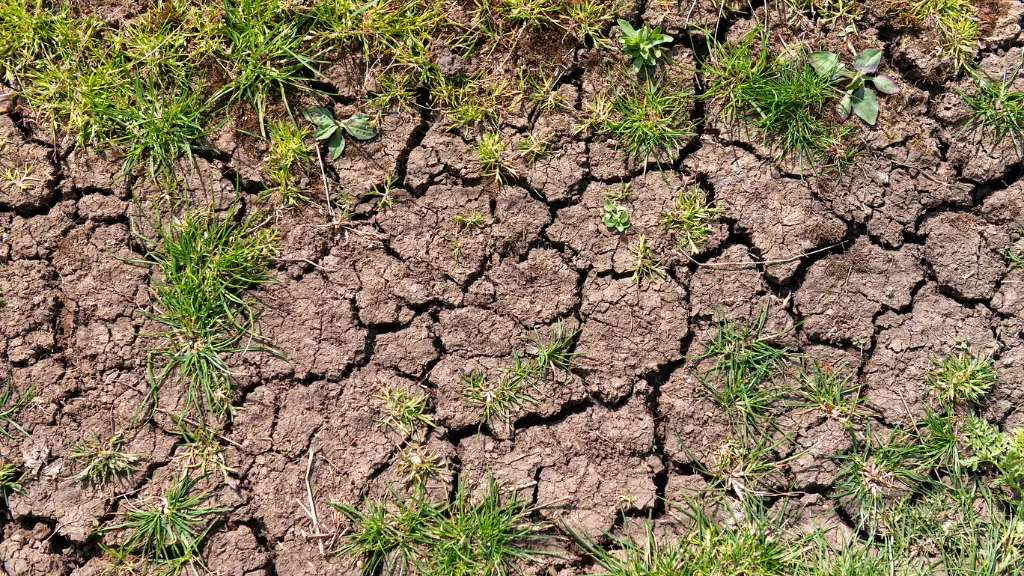
While most of the country will be seeing warm temps this spring, about half of that area will also see drier than normal conditions. This includes:
- Eastern Washington
- Eastern Oregon
- California
- Nevada
- Arizona
- Southern Utah
- Western Colorado
- South Dakota
- North Dakota
- Nebraska
- Iowa
- Oklahoma panhandle
- Northern Texas
- Michigan
- Louisiana
- Alabama
- Mississippi
- Florida
- Georgia
- South Carolina
- North Carolina
- Maryland
- New Jersey
- Delaware
- Pennsylvania
- New York
- Connecticut
- Rhode Island
- Massachusetts
- Vermont
- New Hampshire
- Maine
In these regions, it's even more important to monitor levels of moisture in the soil of your plants, as well as to keep an eye on humidity levels.
It's vital to ensure you're watering your plants deeply enough to reach their roots, especially on dry days. Steve Corcoran of Lawn Love explains: "Since drier-than-normal conditions means plants will need more water, what you should focus on is watering more deeply – not necessarily watering more frequently which is a common garden watering mistake. Deep watering is essential for encouraging roots to grow deeper, which in turn improves plants’ chances at staying alive and thriving. This is basically the same for where rainfall is expected to be lower than normal."
If your plants are in a pot with drainage holes at the bottom, placing them on a plant tray like this from Amazon filled with water is a great way to ensure water is getting to the base of your plants.
For plants in the ground, try inserting some of Irrigation Stakes like these from Amazon into the soil and topping them up with water. This way, water can target the roots of your plants with ease.
Above-average rainfall

Roughly half of the country will be experiencing a wet spring. This includes:
- Western Washington
- Western Oregon
- Idaho
- Montana
- Wyoming
- New Mexico
- Texas
- Oklahoma
- Eastern Kansas
- Arkansas
- Missouri
- Tennessee
- Kentucky
- Virginia
- West Virginia
- Southern Ohio
- Northern Indiana
- Northern Illinois
- Wisconsin
- Minnesota
If your area is experiencing rainfall that's above average, it's vital not to be overwatering your plants on top of it. They will likely already be receiving more than enough water from the rain and struggling with waterlogged soil. Though if you have some plant pots that are receiving far too much it's best to move them into a sheltered location like onto a patio.
Staci Hill, farmer, homesteader, and co-author of "The Preserver’s Garden," notes that it's also important to look out for diseases and root rot, both often caused from plants receiving too much moisture.
She suggests "growing in raised beds or containers can help prevent these issues by allowing the soil to drain."
Doing a bit of research on common diseases from a source like the American Horticultural Society Pests and Diseases book from Amazon is definitely worth your time if you're concerned about how your plants are looking. After identifying what you're dealing with, it's far easier to try to help save your greenery.
Cooler-than-normal temperatures

A few parts of the US will actually experience a cooler than average spring:
If you're experiencing rather cool temperatures for springtime, it's important to remember that your plants may not grow as quickly. This isn't necessarily a sign that anything is wrong, but rather the way your greenery is reacting to the climate it's in.
As Staci explains: "In cooler temperatures growth may be delayed and that is ok - but drought stressed plants still need water in cool temperatures. Staying hydrated will help your frost tolerant spring plants deal with big temperature swings including late freezes."
So keep an eye on the moisture levels of your plant's soil to avoid overwatering or underwatering, and hopefully better weather will come your way soon!
